
Last updated November 14, 2026
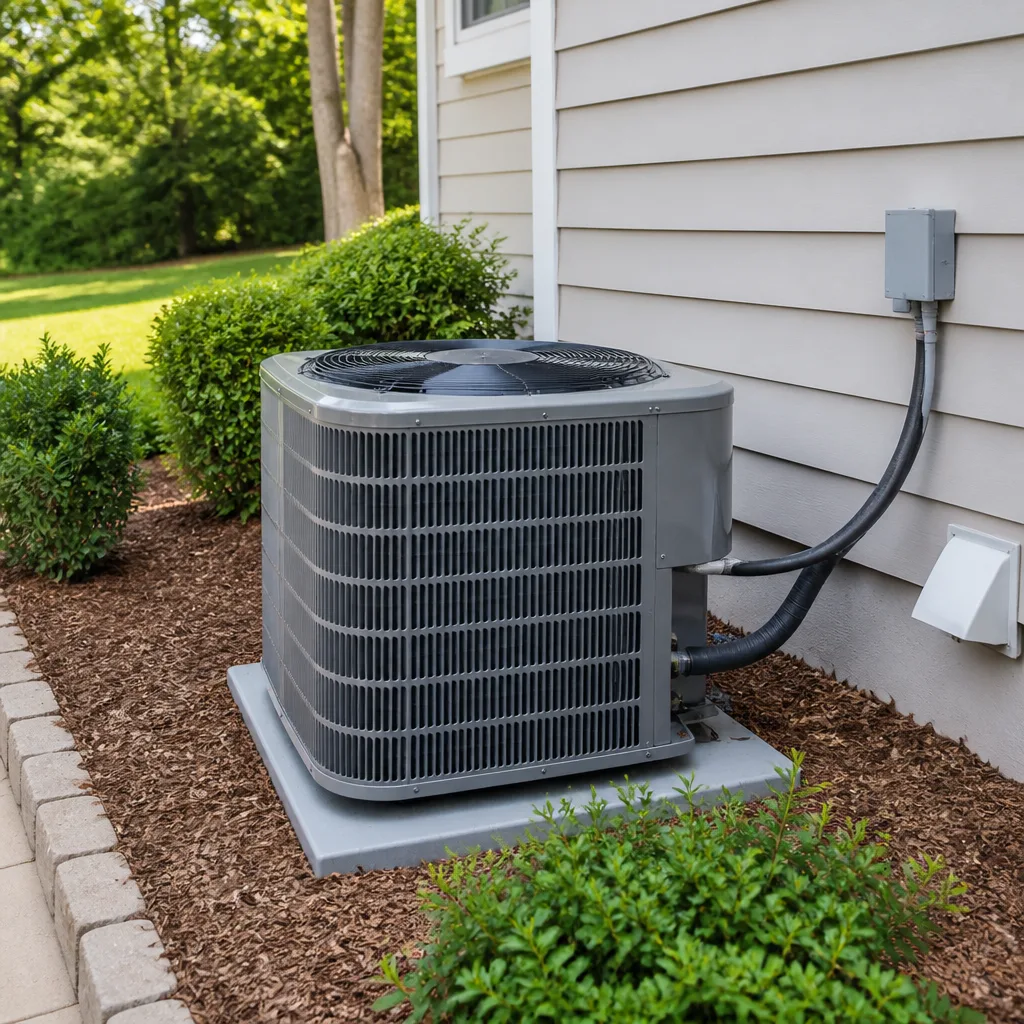 AC repair
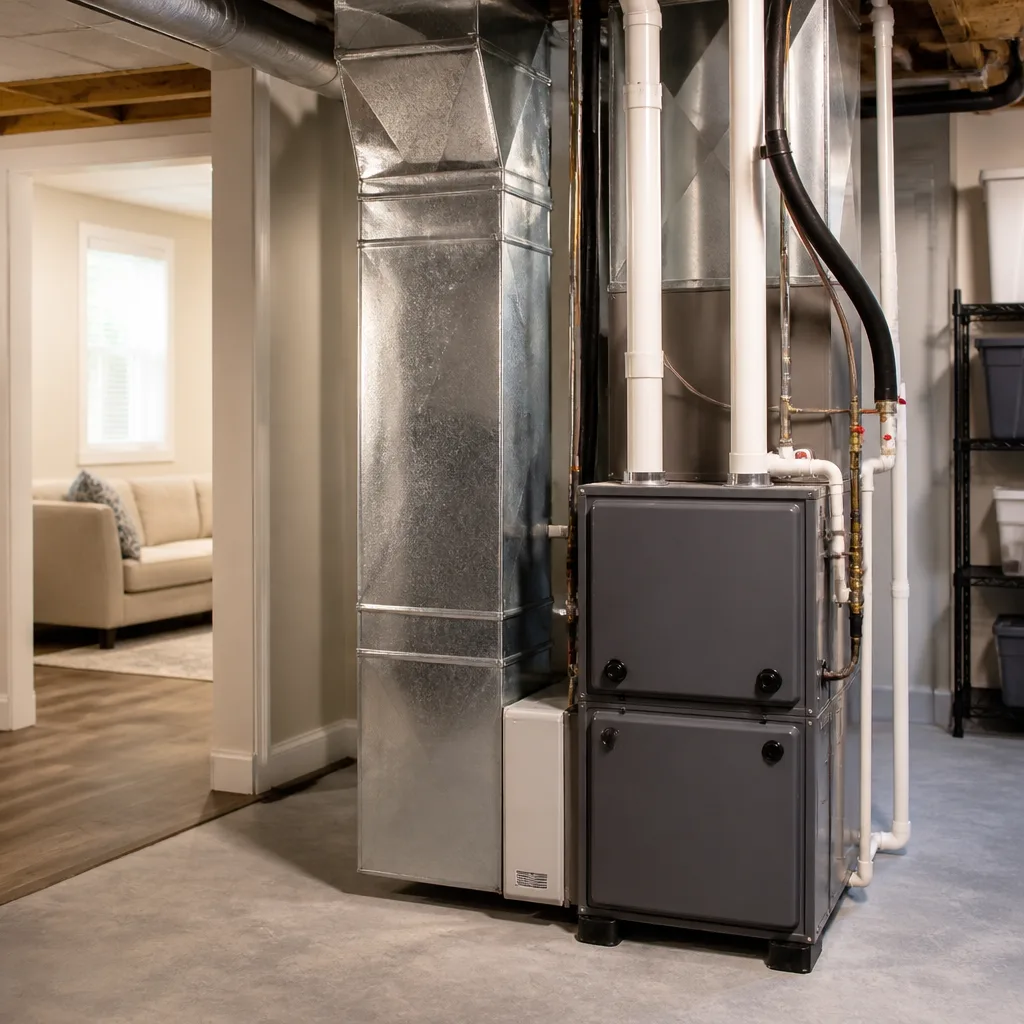 Furnace & heating
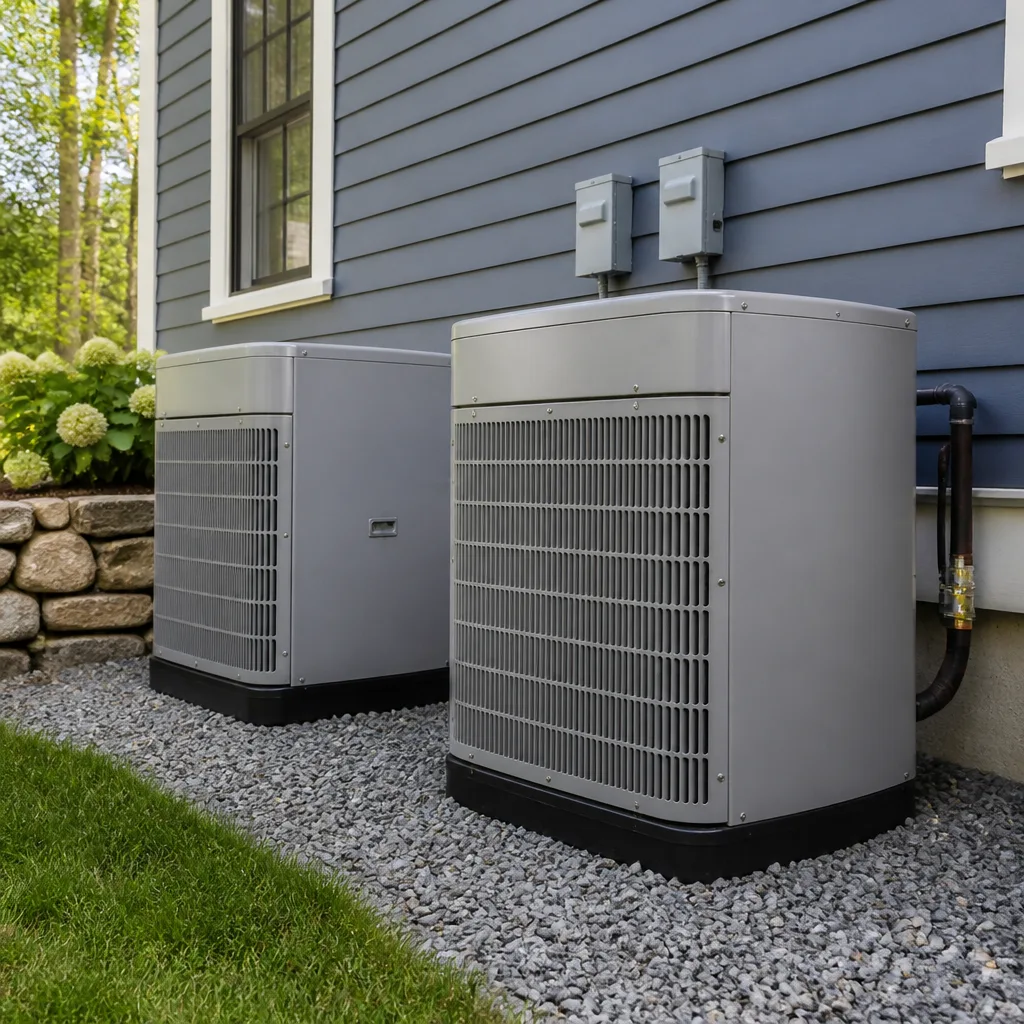 Heat pumps
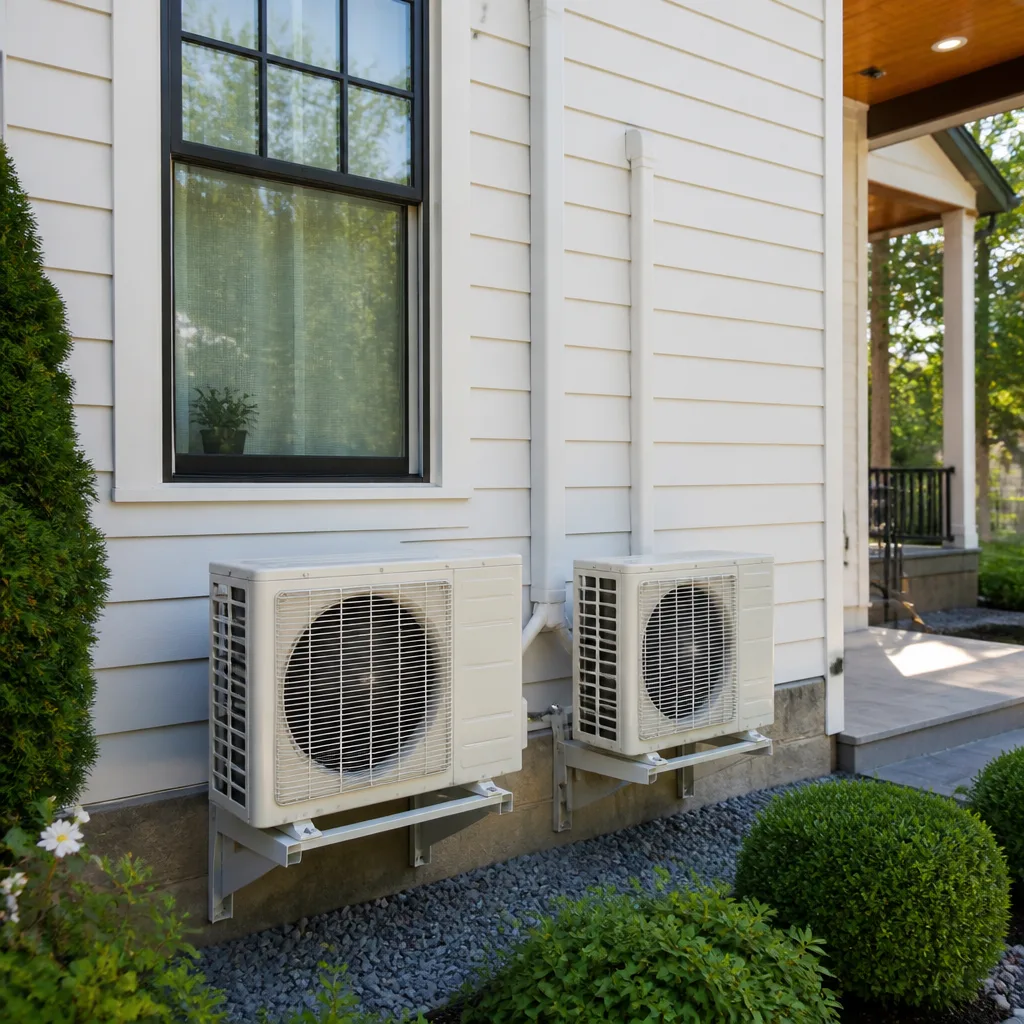 Ductless mini splits
 Carrier
 Trane
 Goodman
Seasonal tune-up and full diagnostic on your Carrier, Trane, or Goodman system - readings shown to you before any repair is proposed
Diagnosis first, numbers second - you approve the repair price before a single part goes in.
Get your free estimateAC Repair Maintenance Checklist for North Las Vegas Homeowners
Most maintenance checklists you find online were written in Ohio or Florida and then lightly edited for our zip code. They tell you to change the filter and clear leaves off the unit. What they skip is the thing that actually kills air conditioners in North Las Vegas: static pressure, which destroys blower motors over a single summer when the system is pushing against a dirty coil in 115°F ambient heat. This checklist is built backward from the failure points we see on service calls across North Las Vegas, so every item earns its place in your maintenance routine.
Styles & brands we work with
- AC repair
- Furnace & heating
- Heat pumps
- Ductless mini splits
- Carrier
- Trane
- Goodman
Quick Answer
The AC maintenance checklist for North Las Vegas homeowners goes beyond filter swaps: check static pressure, clean condenser coils at least twice during dust season, inspect the capacitor and disconnect after summer voltage spikes, and treat hard water scale on drain pans and lines before it backs up into the house. A seasonal tune-up plus these four tasks will catch the failures that kill desert AC systems early, usually costing far less than an emergency AC repair in July.
Table of Contents
- Why Static Pressure Is the Maintenance Task Most Homeowners Skip
- Condenser Coil Cleaning: Why Once a Year Is Not Enough in Mojave Dust
- How to Test Refrigerant Charge Using Superheat and Subcooling Specs
- Electrical Disconnect and Capacitor Checks for Nevada Voltage Spikes
- Hard Water Scale on Drain Pans and Lines: What to Look For and How to Treat It
- Brand-Specific Filter Specs for the Most Common Units in North Las Vegas Subdivisions
- A Seasonal Tune-Up Schedule Built for the Mojave Climate
- Common Mistakes to Avoid
- When to Call a Professional
- Frequently Asked Questions
- The Bottom Line
Why Static Pressure Is the Maintenance Task Most Homeowners Skip
Static pressure is the resistance your blower motor fights against every time it pushes air through the ductwork and across the coil. In North Las Vegas, we run our systems close to 24/7 from May through September. That’s thousands of hours of load on a motor that most homeowners never think about until it burns out.
The problem compounds quickly in our climate. A filter that’s 40 percent blocked raises static pressure measurably. A coil that’s even lightly fouled with Mojave dust does the same. Add both together and your blower motor is working like it’s trying to breathe through a straw. The motor runs hotter, draws more current, and its bearings and windings degrade faster. The result is a blower motor that lasts six or seven years instead of twelve or fifteen, and an electric bill that’s higher every single month.
Checking static pressure requires a manometer and two small holes drilled into the ductwork, one before the blower and one after. The reading tells you whether the system is moving air freely or choking on its own resistance. If you don’t want to drill into your own ducts, this is one measurement a trained technician can take in five minutes during a seasonal tune-up. In our experience, most North Las Vegas homes with systems older than ten years have higher static pressure than the manufacturer’s spec, and most of those can be corrected with a filter change, coil cleaning, or a simple duct adjustment before any motor work is needed.
Condenser Coil Cleaning: Why Once a Year Is Not Enough in Mojave Dust
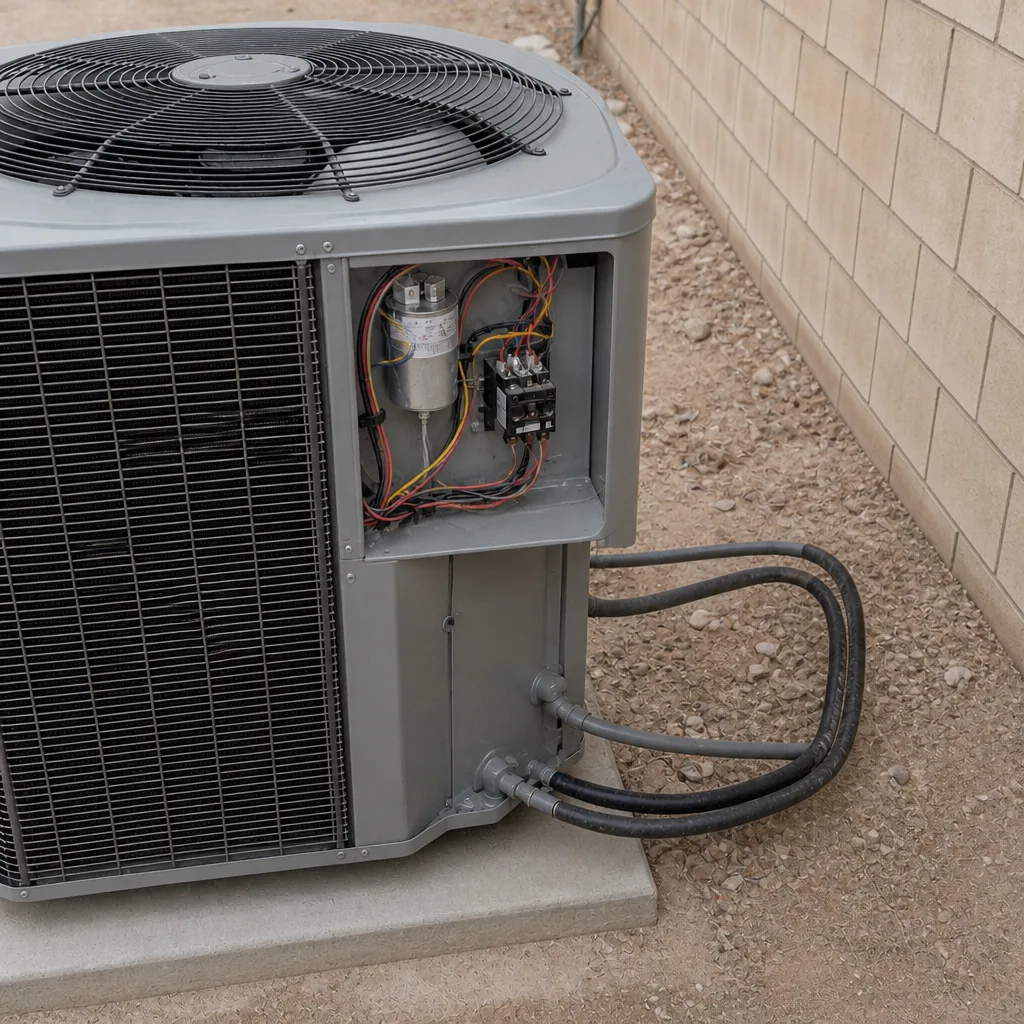
The condenser coil is the outside coil on the big unit next to your house. Its job is to reject heat into the outside air. When fine desert dust coats that coil, it insulates the tubing and blocks air from passing over the fins. Your refrigerant can’t shed heat, so the compressor runs hotter and longer, your cooling capacity drops, and your energy use climbs.
Here’s the part temperate-climate checklists miss: Mojave dust is not like Ohio pollen. It’s finer, it’s alkaline, and it sticks to coil surfaces in baked-on layers after every wind event. In North Las Vegas, a condenser coil that gets cleaned once a year in spring will be significantly fouled again by August. We recommend cleaning the coil at least twice per cooling season here:
- March or April: a full coil cleaning before the first serious heat wave.
- July or August: a lighter rinse or second cleaning, focused on the side of the unit facing the prevailing wind and any areas shaded by shrubs or walls where dust collects.
You can do a visual check yourself: kill power at the disconnect, shine a flashlight between the fins, and look for a gray-brown film on the aluminum. If the coil is anything but clean metal, it’s costing you money. Use a garden hose with moderate pressure and a coil-safe cleaning agent. Never use a pressure washer. If the coil is caked on and you can’t see the fins, your next call should be a professional cleaning before your cooling season gets any longer.
How to Test Refrigerant Charge Using Superheat and Subcooling Specs
You can’t tell by feel whether your system has the right refrigerant charge. A system that’s 10 or 15 percent undercharged will still produce some cooling, so the air at your vents feels acceptable while your compressor runs longer, your coil temperature drops too low, and your efficiency tanks. The fix is to check the actual charge against the manufacturer’s superheat or subcooling specification.
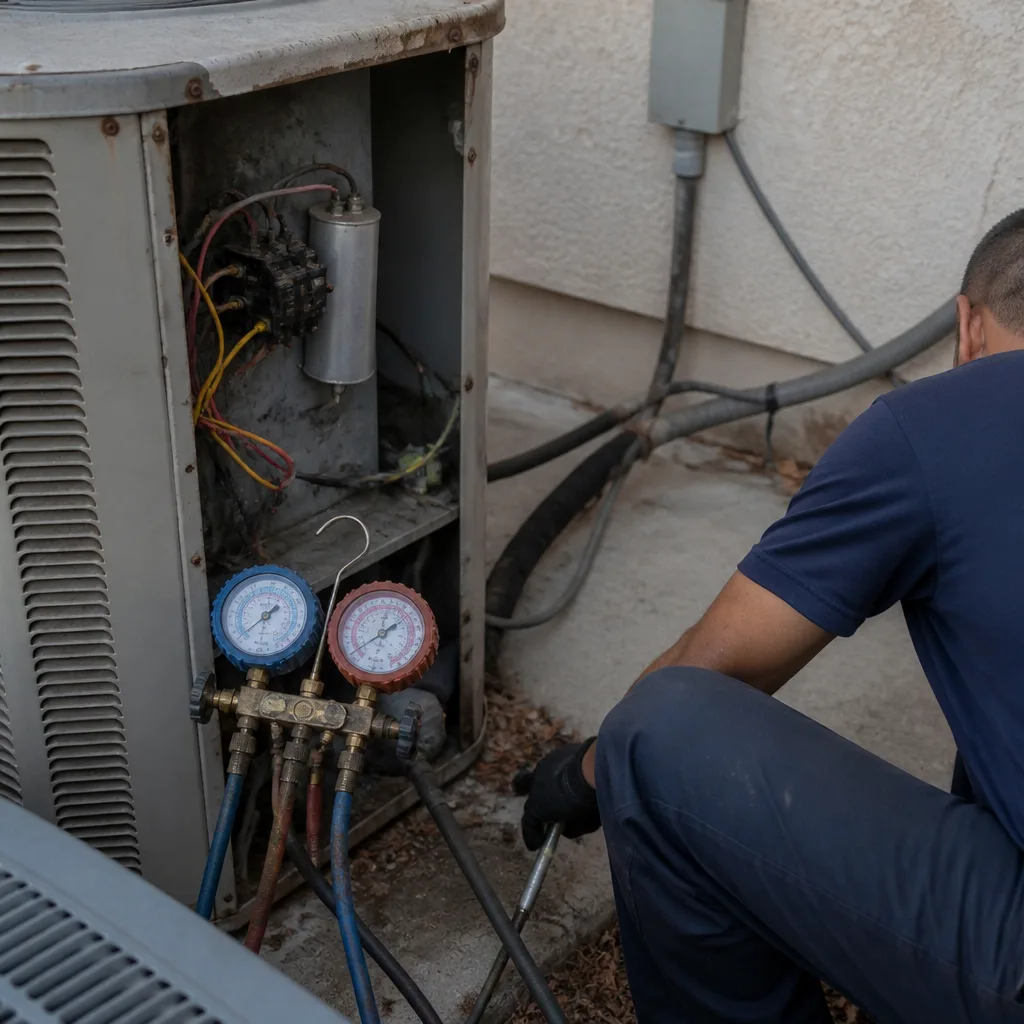
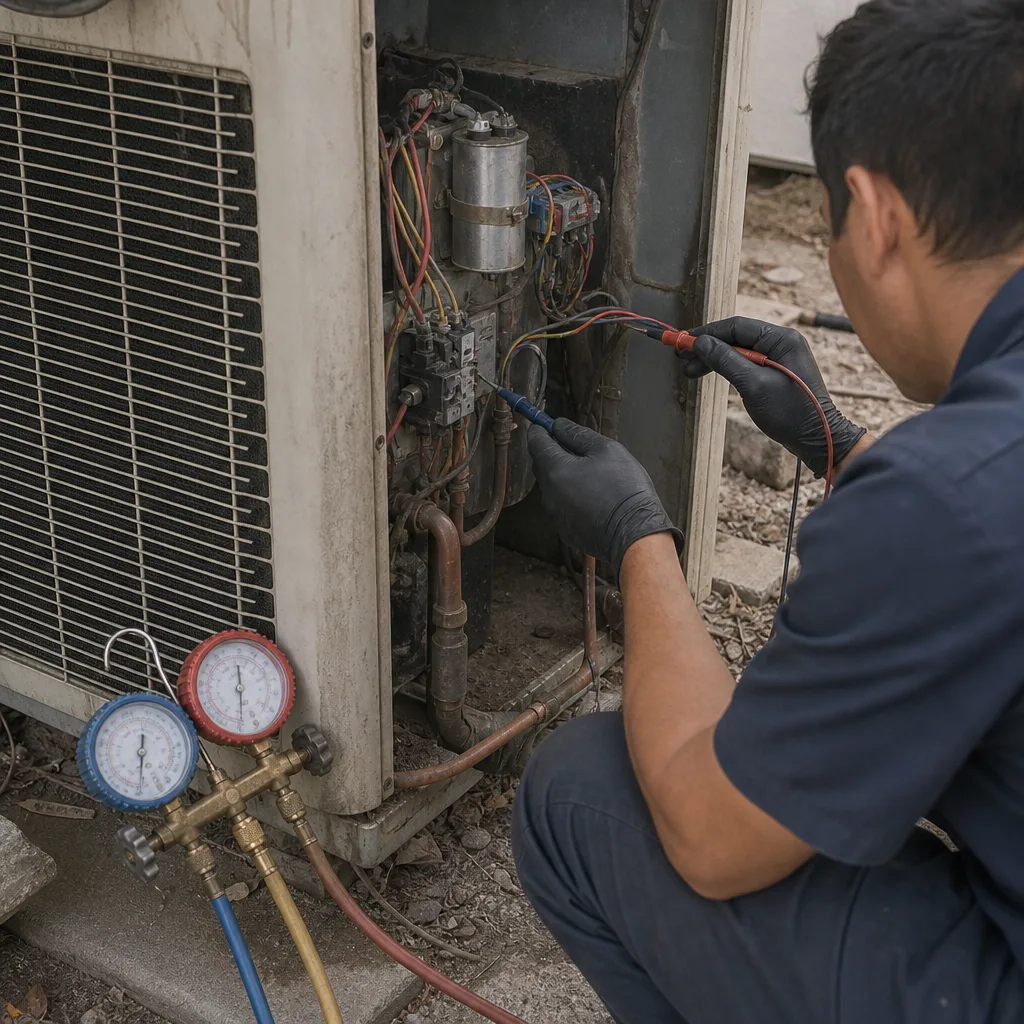
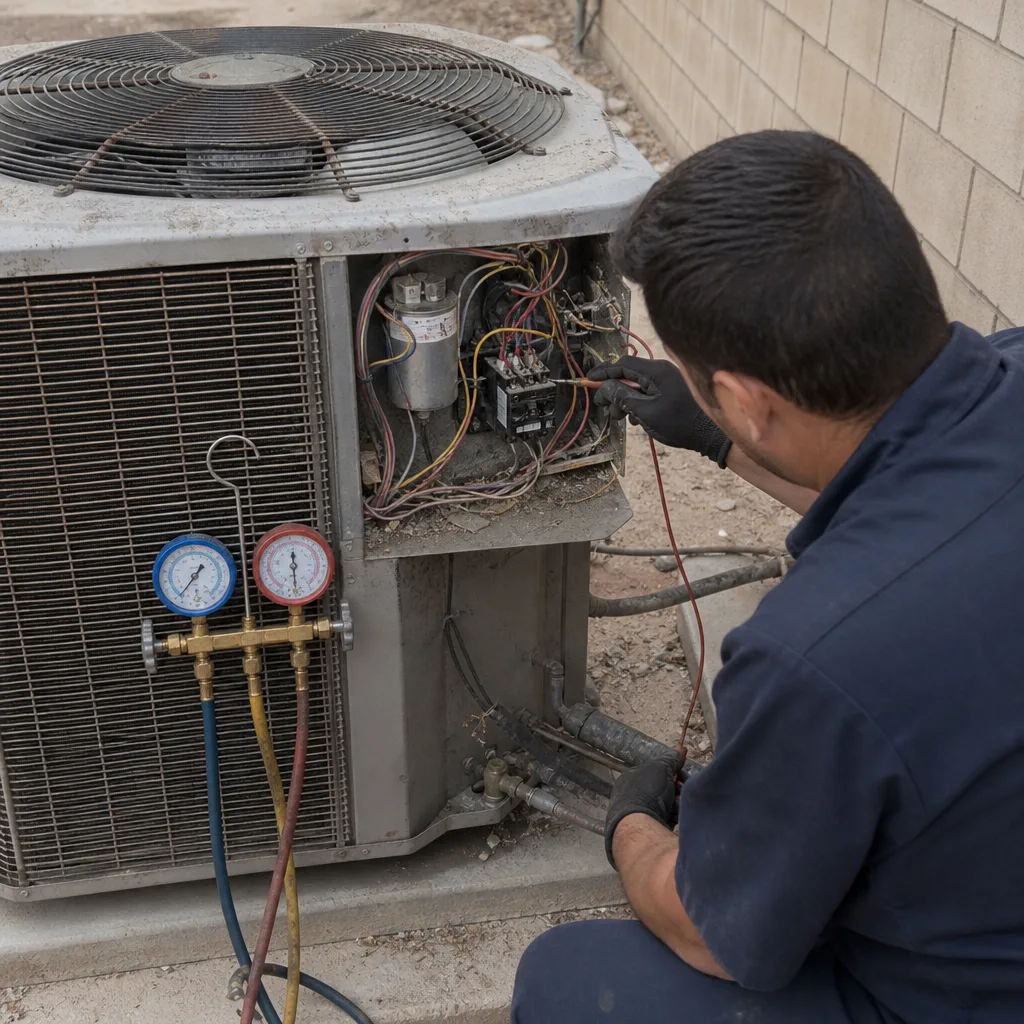
If you have a fixed orifice metering device, which is common on older Goodman and Rheem units in North Las Vegas, the measurement you want is superheat. You need a gauge manifold set and a pipe thermometer. Measure the suction line pressure and convert it to the saturated suction temperature using a PT chart for your refrigerant, then measure the actual suction line surface temperature. The difference between the two is your superheat. Compare that number to the target printed on the unit’s data plate or in the service manual, typically 8 to 12 degrees under current load conditions.
If your system uses a thermostatic expansion valve, common on many Trane and Lennox residential units, the measurement is subcooling instead. Measure the liquid line pressure, convert to saturated liquid temperature, then subtract the actual liquid line temperature at the service valve. The target is usually 10 to 15 degrees of subcooling, but always use the manufacturer’s published number for your specific model, not a rule of thumb.
These tests require a gauge set and a careful reading of the unit’s data plate. If you’re not comfortable working with refrigerant pressures, a technician can run the test in under 30 minutes during a tune-up. The point is that “it feels cold” is not a refrigerant charge test. The real test is a superheat or subcooling reading against the spec printed on your unit.
Electrical Disconnect and Capacitor Checks for Nevada Voltage Spikes
North Las Vegas summertime grid strain produces voltage dips and spikes that stress two components on every AC system: the electrical connections at the disconnect and the run capacitor. The connection homeowners never make is that a loose lug or a pitted contact can cause exactly the same voltage instability that a grid event can, and the component that eats that instability is the capacitor.
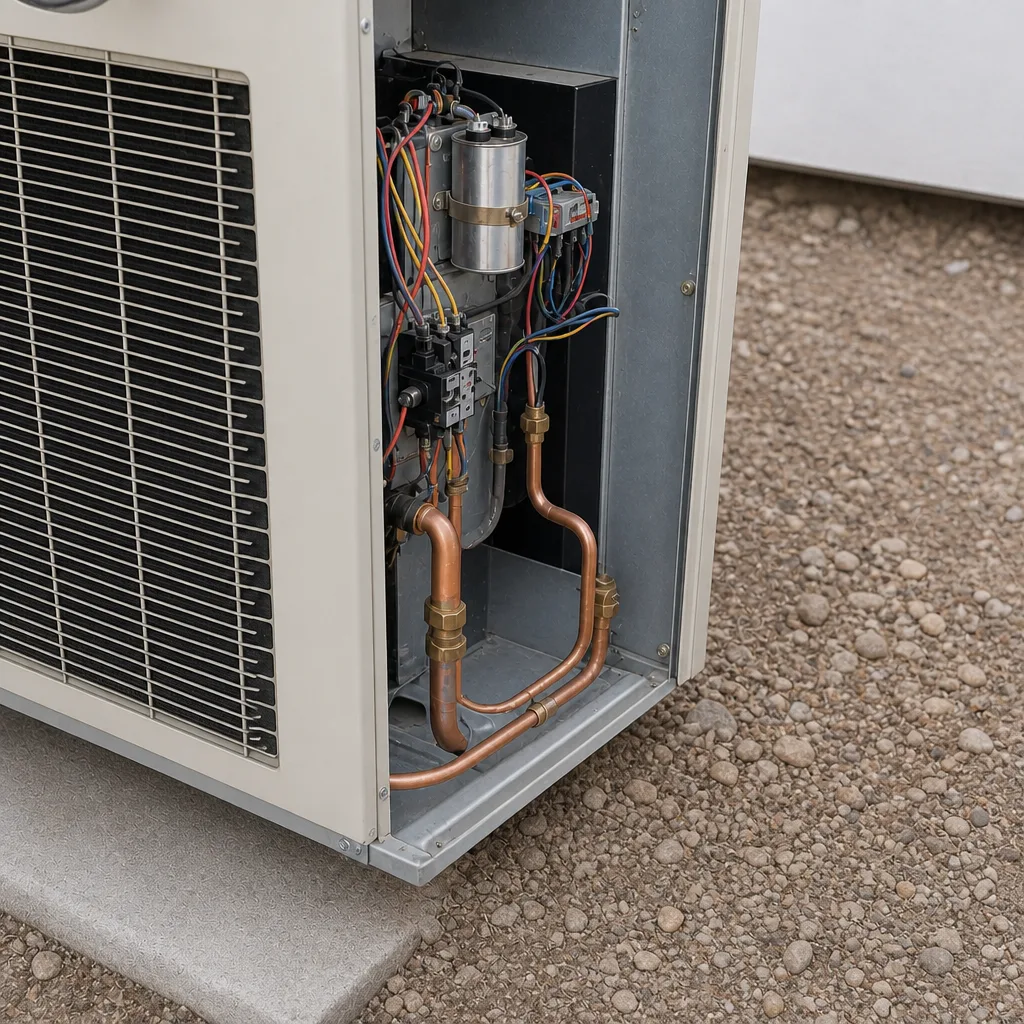
The capacitor gives the compressor and fan motor their starting torque. When it weakens, the motor draws more current to start, runs hotter, and eventually refuses to start at all. Before it dies completely, you may hear a faint humming from the condenser, or the fan may start a beat late. These are early warnings. A multimeter with a capacitance range will tell you whether the capacitor is still within spec of its printed microfarad rating. Anything more than 6 percent off the label is a replacement decision.
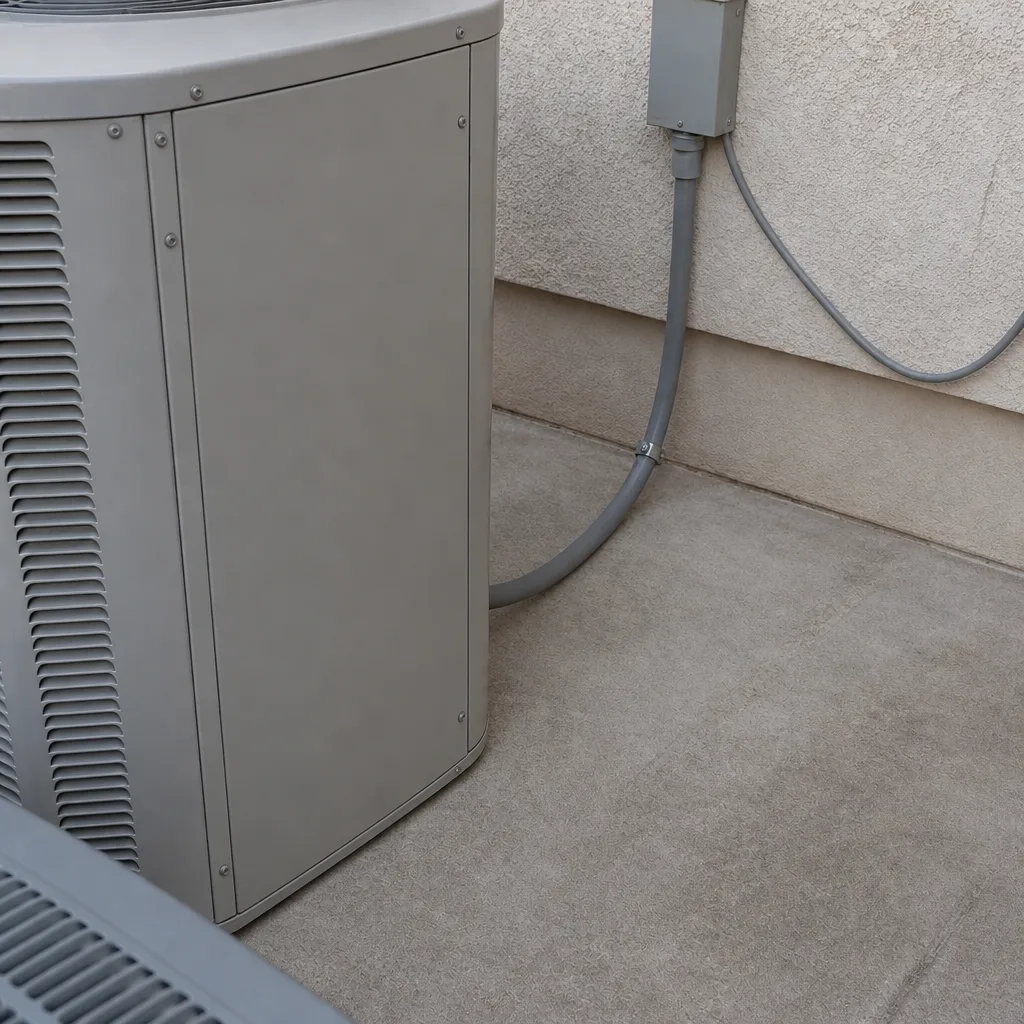
The disconnect is the gray box mounted on the wall next to the condenser. Pull the handle out, inspect the contacts for pitting or discoloration, and retighten the wire lugs with the handle still pulled, since the lugs on the line side remain energized. A loose connection here creates resistance, heat, and intermittent voltage dips, all of which shorten compressor and motor life. This is a five-minute check that requires no special electrical expertise beyond knowing how to safely work around a disconnect. If you see melted plastic, blackened terminals, or a burnt smell, replace the disconnect immediately and inspect the capacitor while you’re at it.
Hard Water Scale on Drain Pans and Lines: What to Look For and How to Treat It
North Las Vegas water is hard. The calcium and magnesium that build up on your faucet aerators build up inside your AC drain system too. The evaporator coil condenses water out of the air, and that water carries dissolved minerals from the air and from the coil surface itself down into the drain pan and out through the drain line. Over a single cooling season, those minerals form a hard, chalky scale that narrows the drain line and eventually blocks it completely.
What it looks like: a white or tan crust around the mouth of the drain line where it exits the air handler, a ring of mineral deposit in the drain pan, or standing water in the pan that doesn’t drain within a few minutes of the system shutting off. What it costs to ignore: a backed-up drain pan overflows into the air handler cabinet and then into the ceiling or floor below. That’s a water damage repair on top of an HVAC call, and it’s one of the most common service calls we see in North Las Vegas in the middle of summer.
Treat the problem with a simple flush. Once the scale is established, a mix of white vinegar and warm water poured through the line twice per season will dissolve mild buildup. For heavier deposits, a wet-dry vac on the exterior drain outlet will often pull the blockage free. If the pan itself is scaled, scrub it with a mild acid-based cleaner made for evaporator pans, then rinse thoroughly. Prevention is even simpler: run a maintenance dose of vinegar through the line each month during cooling season, and keep the area around the air handler as dust-free as reasonably possible.
Brand-Specific Filter Specs for the Most Common Units in North Las Vegas Subdivisions
A generic “use a MERV 8 filter” recommendation ignores the fact that different brands and air handler configurations have different filter rack dimensions and pressure drop tolerances. The filter you choose has to fit your specific unit and not exceed the static pressure the blower motor is rated to handle. Here’s what that means for the most common equipment we see in North Las Vegas homes.
Lennox units in our market typically use a 1-inch filter rack with a washable or disposable filter. A MERV 8 disposable is the practical ceiling for most 1-inch racks; anything denser than that raises static pressure enough to shorten motor life on systems that are already working hard in desert heat. Replace every 30 days during cooling season, not the 90-day interval printed on the filter package, because our runtime is multiple times what a national average assumes.
Goodman units are frequently paired with simpler filter grilles, and many homeowners oversize the filter’s filtration level without understanding the tradeoff. A MERV 8 pleated filter is again the safe default for a 1-inch rack. If the return grille is the only filter location, keeping that grille clean and the filter sealed around the edges is as important as the filter media itself.
Trane air handlers sometimes have a 4-inch or 5-inch media cabinet option, and if yours does, that’s the setup we like best. A 4-inch MERV 11 filter in a media cabinet has lower pressure drop than a 1-inch MERV 8 under the same airflow, because the surface area is much larger. If you have a media cabinet, use it. The filter lasts 6 to 12 months and protects the coil better. If you’re not sure which brand or filter size you have, any technician worth your time should be able to tell you in a single service visit. That’s part of the value of a brand-agnostic diagnostic approach: we follow what your unit actually needs, not a generic recommendation.
A Seasonal Tune-Up Schedule Built for the Mojave Climate
Most tune-up checklists assume four seasons and a few hundred hours of AC runtime. North Las Vegas has two serious seasons: a long, brutal cooling season and a short, mild heating season. Your maintenance schedule should match that reality. Here’s the sequence we recommend, built around what actually fails in our climate.
- February or March: Pre-season AC tune-up. Static pressure check, coil cleaning, capacitor test, contactor inspection, drain line flush, refrigerant charge verification against manufacturer superheat or subcooling spec. This is the appointment that catches problems before the first 100-degree day.
- June or July: Mid-season visual check. Condenser coil rinse focused on the windward side, filter replacement, drain line vinegar flush, and a quick look at the capacitor and disconnect terminals. Fifteen minutes of maintenance in July saves a compressor failure in August.
- October: Pre-heating-season furnace check. Since Stratford AC Repair covers furnace repair under the same relationship as AC work, you don’t need a second contractor for this. A quick check of the heat exchanger, inducer motor, and flame sensor now means no cold night surprise in December.
- November through February: Monthly filter checks during heating season, plus a visual check of the outdoor condenser for winter dust buildup if the unit sits uncovered. Covering a condenser in winter can trap moisture, so we generally recommend leaving it uncovered or using a breathable panel only.
This schedule works because it front-loads the highest-value work before the heat hits and keeps the rest of the year light. If you only do one thing from this entire guide, make it the pre-season tune-up in late winter.
Common Mistakes to Avoid
- Treating the filter like a quarterly chore. In North Las Vegas, 30 days is the maximum a 1-inch filter should run during summer, because our runtime is several times the national average. A filter that’s visibly dirty but not yet “full” is already raising static pressure and shortening motor life.
- Using a pressure washer on condenser coils. The fine Mojave dust on those aluminum fins is baked on, and the temptation is to blast it off. A pressure washer folds the fins flat and reduces airflow permanently, which is a much more expensive problem than the dust was in the first place.
- Covering the condenser all winter with a solid cover. Trapped moisture rusts the cabinet and invites corrosion on electrical connections. If you want a cover, use a breahable winter cover that sits over the top only, and keep the sides open.
- Waiting for a symptom before checking the capacitor. The most common AC failure in North Las Vegas during summer is a dead capacitor, and the most common warning is that the system worked fine yesterday and won’t start today. Testing the capacitor during pre-season maintenance catches it before it fails.
- Ignoring the drain line until water appears. By the time you see water dripping from the air handler or staining a ceiling, the drain line has been scaling up for months. The fix is a monthly vinegar flush that takes two minutes.
- Guessing at refrigerant charge based on vent temperature. “The air feels cold” is not a charge check. A system can be 20 percent undercharged and still produce 60-degree air, while the compressor works overtime and the coil runs too cold. The only real test is a superheat or subcooling reading against the spec on your unit.
- Skipping maintenance because the unit is new. New systems fail less often, but a dust-clogged coil or a loose electrical connection affects a two-year-old unit just as surely as a twenty-year-old one. Maintenance in the first five years is what keeps the warranty valid and the efficiency where the manufacturer rated it.
When to Call a Professional
Some tasks on this checklist are DIY-friendly: filter changes, drain line flushes, visual coil checks, and capacitor tests if you own a multimeter and know how to use it safely around a disconnect. Others are not. Drilling into ductwork for a static pressure reading is a task for someone who has done it before. Measuring superheat or subcooling means handling refrigerant gauges and reading manufacturer specs accurately. Anything involving the electrical disconnect’s line side should be treated with respect, because those lugs stay live even with the handle pulled. If any of these steps feels beyond your comfort zone, Stratford AC Repair offers free estimates in North Las Vegas, and we are qualified to service equipment from Carrier, Trane, Lennox, Goodman, Rheem, York, Daikin, Bryant, and American Standard. Call (844) 731-3077 to schedule a tune-up or ask a straightforward question about your unit.
Frequently Asked Questions
Every 30 days during cooling season if you have a standard 1-inch filter, because our systems run far more hours per year than the national average that most filter packaging assumes. A 4-inch or 5-inch media filter can run 6 to 12 months, but 1-inch filters need monthly attention from May through September in North Las Vegas.
Static pressure measures the resistance to airflow through your ductwork and across your coil, and high static pressure forces your blower motor to work harder, run hotter, and fail sooner. In the Mojave climate, where systems run near-continuously all summer, elevated static pressure from dirty filters or coils is one of the leading preventable causes of blower motor failure.
A failing capacitor often gives early warning signs: the outdoor fan starts a beat or two after the compressor, you hear a faint hum from the condenser that wasn’t there before, or the system trips its breaker intermittently. A multimeter with a capacitance range will tell you definitively whether the capacitor is within spec of its printed microfarad rating, and anything more than 6 percent off the label means replacement is due.
Hard water minerals build up in the drain pan and line as condensation evaporates, leaving behind calcium and magnesium scale that narrows the drain path and eventually blocks it completely. Monthly vinegar flushes during cooling season and a thorough cleaning at the start of each season will prevent most drain line clogs in this climate.
You can rinse your condenser coil with a garden hose and a coil-safe cleaning agent as long as you kill power at the disconnect first and use moderate water pressure, but a professional cleaning includes fin straightening, an electrical inspection, and a refrigerant check in the same visit. For a heavily caked coil in the middle of Mojave dust season, a professional cleaning is usually worth the cost over trying to restore airflow yourself.
Yes, because the most expensive failures in North Las Vegas are the ones that happen without warning: a capacitor dying on a 112-degree day, a drain pan overflowing at 2 a.m., a blower motor burning out from high static pressure that was never checked. Pre-season maintenance in late winter or early spring catches these failures while they’re still cheap to fix. Call (844) 731-3077 for an exact quote, estimates are free.
The Bottom Line
An AC maintenance checklist for North Las Vegas homeowners has to be built around what actually fails here, not what fails in a temperate climate. That means static pressure checks to protect your blower motor, twice-annual condenser coil cleaning for Mojave dust, superheat and subcooling measurements against manufacturer specs, capacitor and disconnect inspections for voltage spike damage, and hard water scale treatment on every drain line in the house. If you work through this checklist in late winter and again mid-summer, you’ll catch the most common desert AC failures before they turn into emergency calls. For a full seasonal tune-up or a second set of eyes on anything you’ve found, Stratford AC Repair covers AC installation, repair, and furnace work across North Las Vegas, with free estimates at (844) 731-3077.
Written by the team at Stratford AC Repair, serving North Las Vegas since 2015.
See the difference
 Before
 After
 Before
 After
 Before
 After