
Last updated November 14, 2026
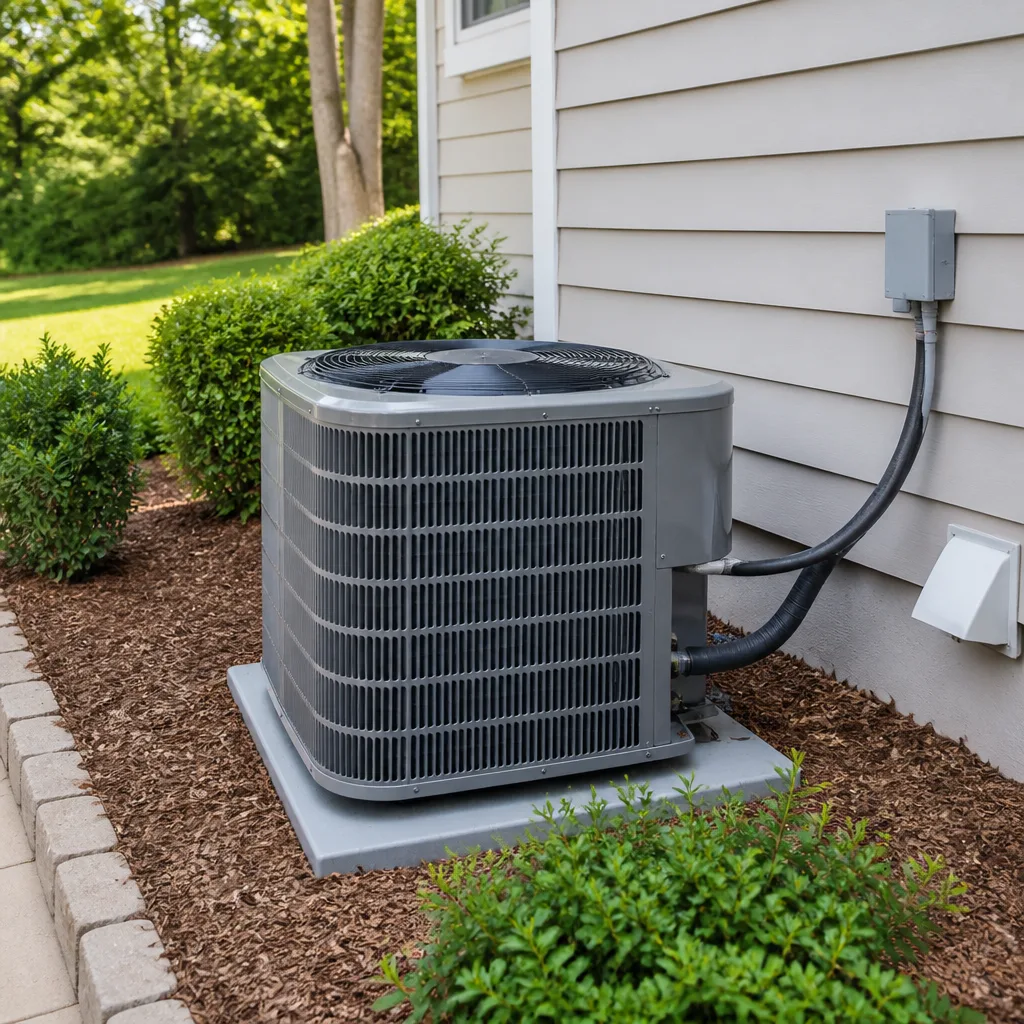 AC repair
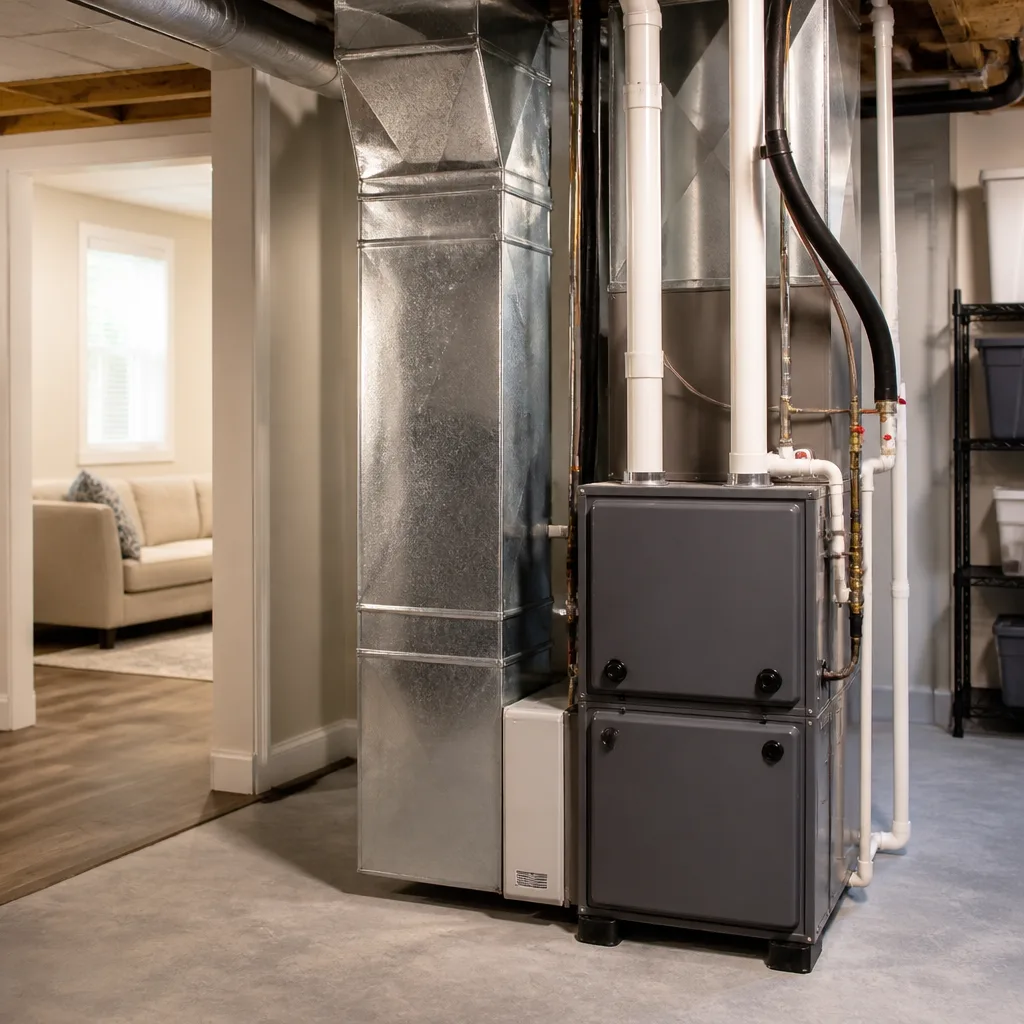 Furnace & heating
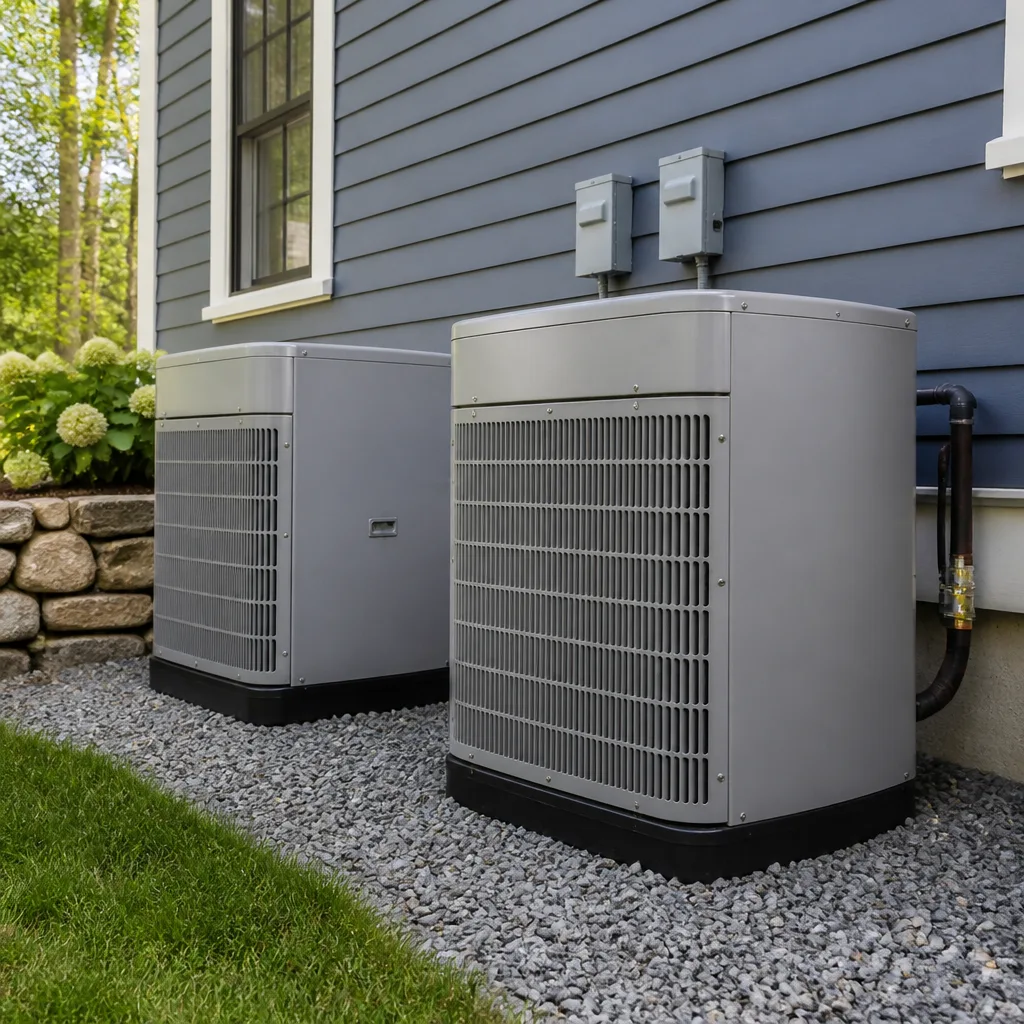 Heat pumps
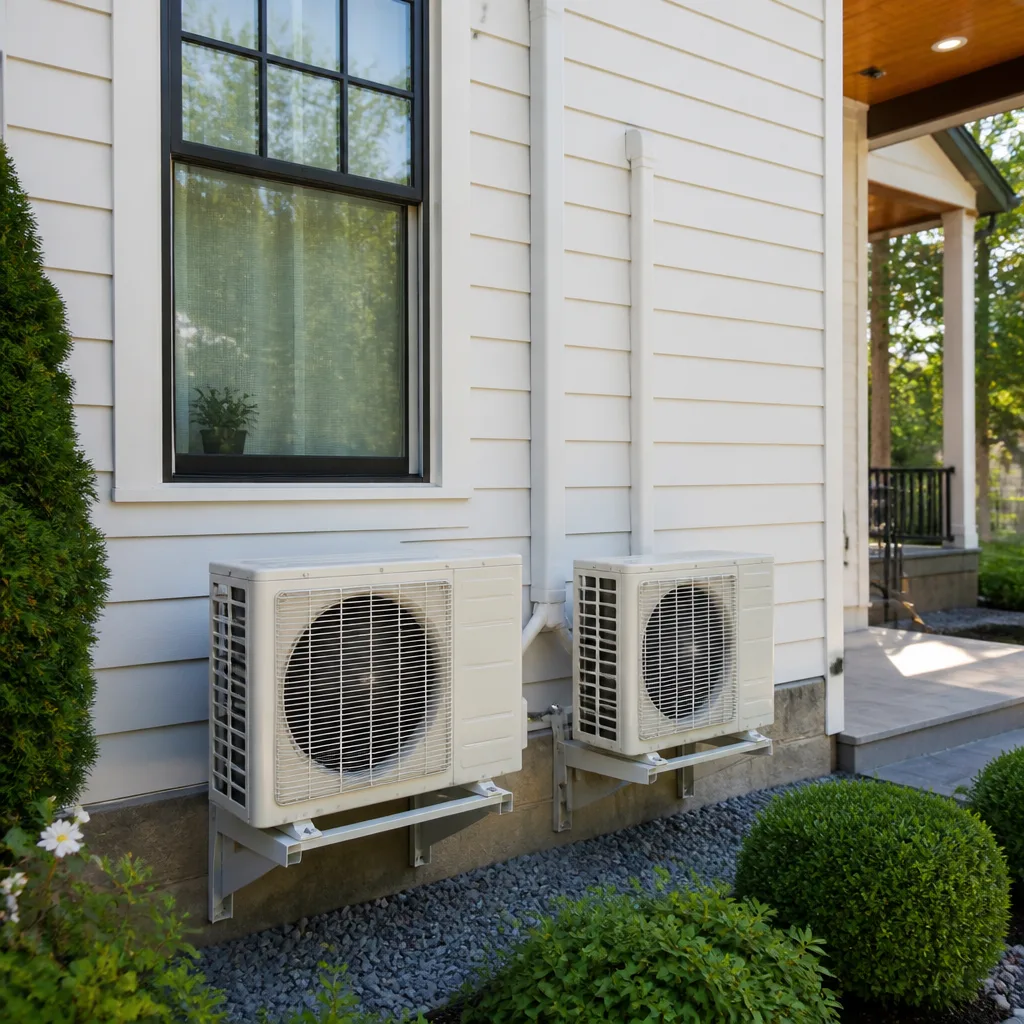 Ductless mini splits
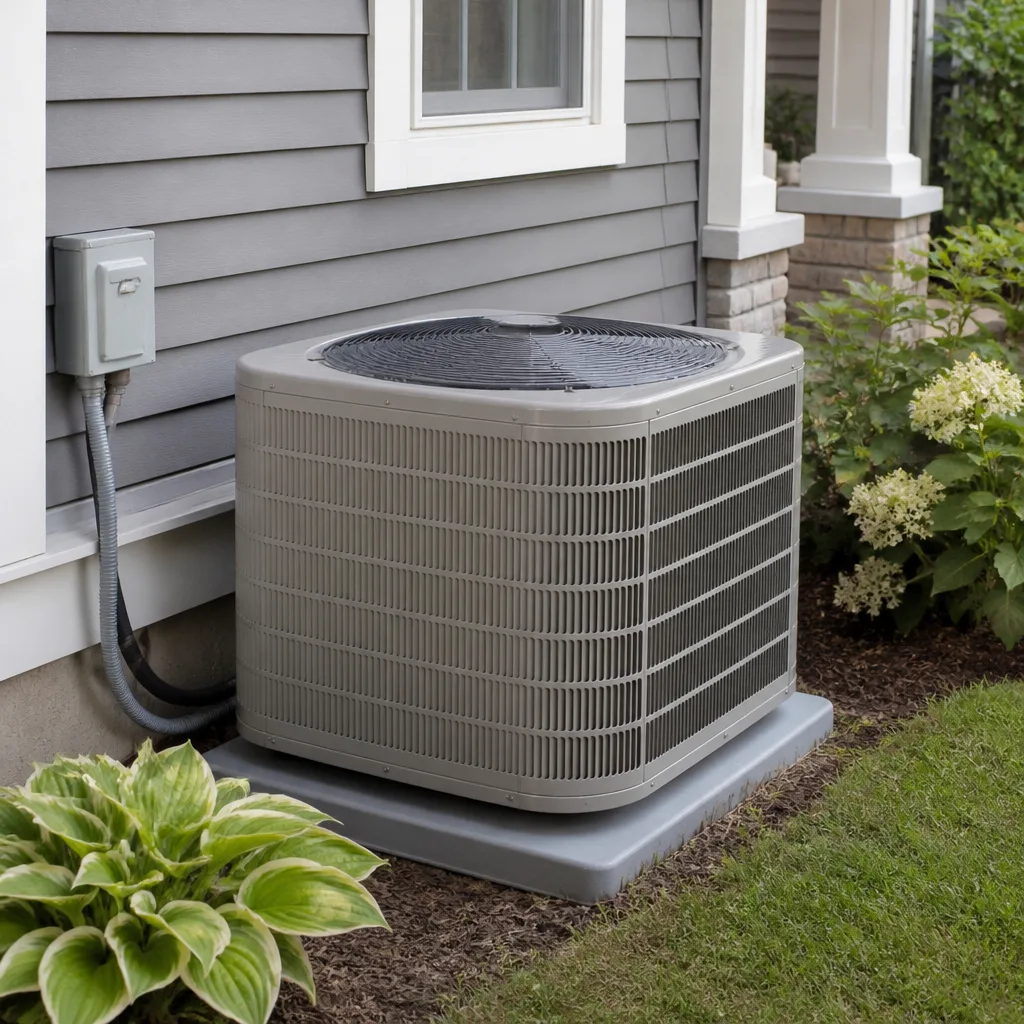 Carrier
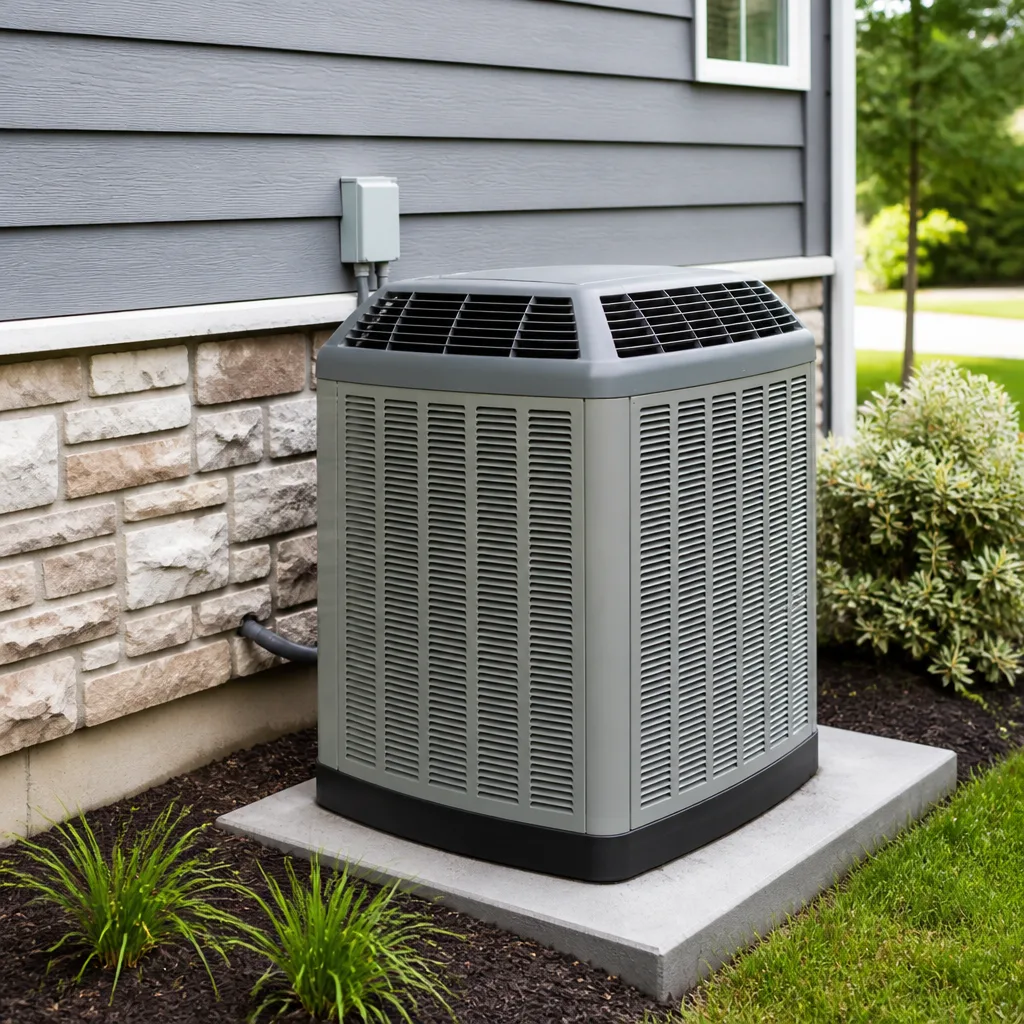 Trane
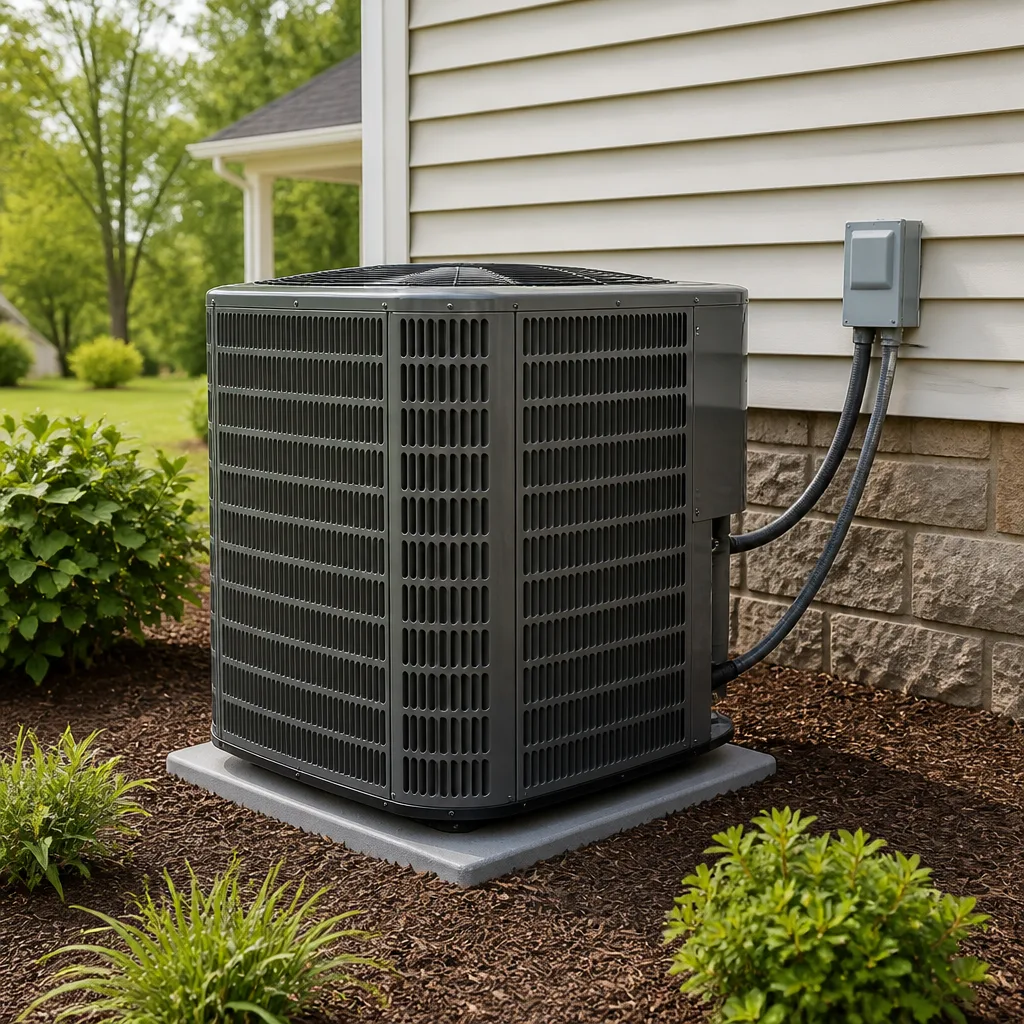 Goodman
Seasonal tune-up and full diagnostic on your Carrier, Trane, or Goodman system - readings shown to you before any repair is proposed
Diagnosis first, numbers second - you approve the repair price before a single part goes in.
Get your free estimateThe Complete AC Repair Guide for North Las Vegas Homeowners
The average North Las Vegas home runs its AC roughly five to six months straight – that’s not a seasonal appliance, that’s infrastructure. Generic repair advice written for Charlotte or Denver will steer you wrong, because those guides assume a system that cycles on and off through mild summers and rests through the winter. Yours doesn’t. This guide explains how desert heat actually breaks air conditioners, what repairs cost here, which failures happen faster than national averages predict, and how to decide between fixing and replacing a unit that works this hard. You’ll finish with a clear picture of what your system is up against in North Las Vegas, and what to expect when a technician shows up.
Quick Answer
AC repair in North Las Vegas means diagnosing a system that likely runs 2,000 or more cooling hours per year – roughly double what a Midwestern unit logs. Common failures are capacitors, contactors, and refrigerant charge loss, and they show up faster in desert heat than standard repair timelines suggest. A good repair starts with a brand-agnostic diagnosis, honest repair-versus-replace math based on our utility rates, and a technician who works on your specific unit without pushing you toward replacement.
Styles & brands we work with
- AC repair
- Furnace & heating
- Heat pumps
- Ductless mini splits
- Carrier
- Trane
- Goodman
Table of Contents
- Why Desert Heat Changes Everything
- The Most Common AC Failures in North Las Vegas
- What a Service Call Actually Looks Like
- Repair or Replace: The North Las Vegas Math
- Which Repairs Are DIY-Safe, and Which Are Not
- Documenting Your System So Any Technician Can Work on It
- Common Mistakes to Avoid
- When to Call a Professional
- Frequently Asked Questions
Why Desert Heat Changes Everything
Most residential AC units are designed around an assumption: about 1,000 to 1,200 cooling hours per year. That’s the national average, and it’s baked into how manufacturers set service intervals, warranty periods, and part life expectancy. A North Las Vegas system routinely doubles that workload. Six months of near-daily runtime, often in triple-digit outdoor temperatures, means components wear at roughly twice the rate the spec sheet anticipates.
The consequences show up in predictable ways. Capacitors, the small cylinders that give your compressor and fan motors their starting jolt, fail early under sustained heat. Contactor points pit and arc more quickly when a system cycles on and off repeatedly through a 110-degree afternoon. Refrigerant lines expand and contract through wider temperature swings than a coastal system ever sees, which slowly stresses fittings and valve cores. None of this is a design flaw. It’s just what happens when infrastructure runs at full load for half the year.
The practical takeaway is simple: a ten-year-old AC in North Las Vegas has done the work of a twenty-year-old unit in Portland. When you evaluate a repair quote, that’s the frame that matters. The question isn’t “how old is the unit” – it’s “how many desert summers has it already carried.”
The Most Common AC Failures in North Las Vegas
Three component failures account for the large majority of AC calls in North Las Vegas, and they’re worth understanding before a technician ever arrives. Knowing these names won’t make you the technician, but it will make you a sharper customer who can follow the diagnosis.
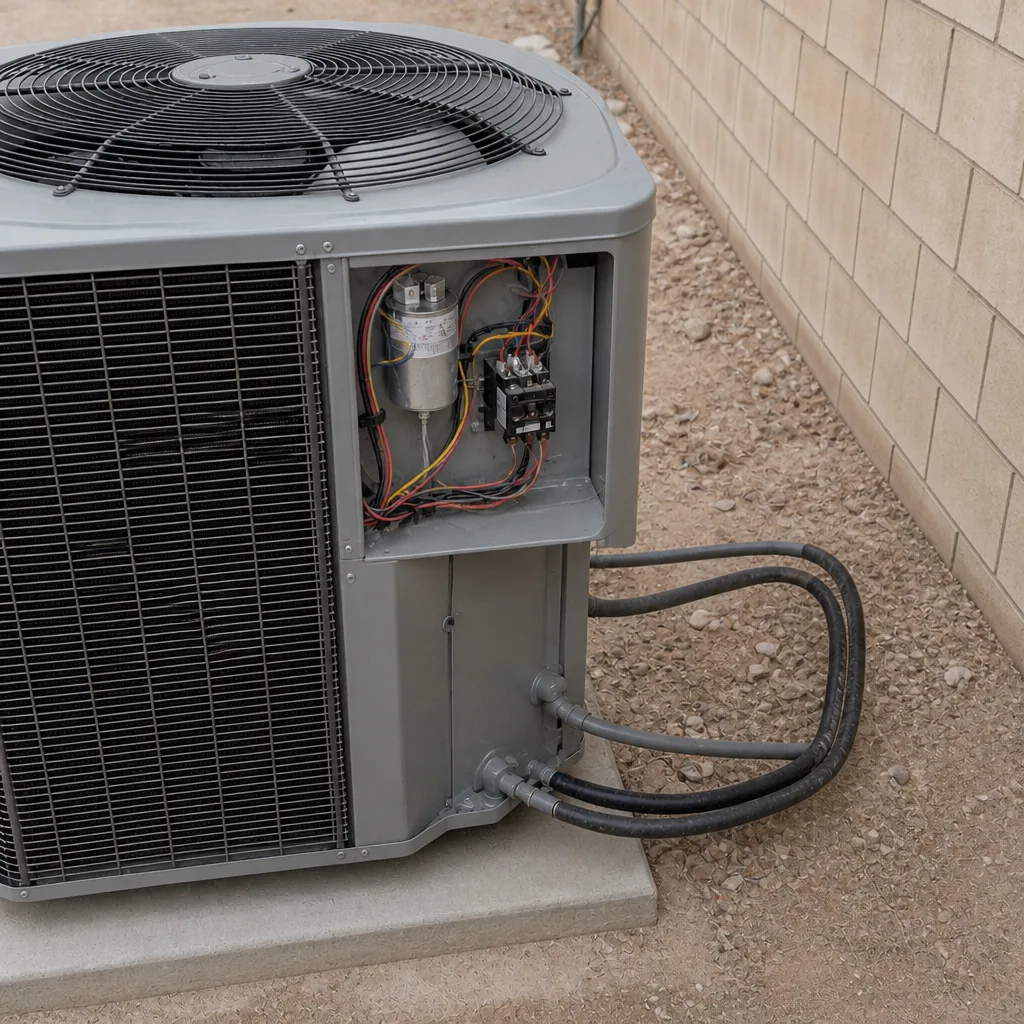
Capacitor failure. The capacitor is the small metal cylinder inside the outdoor condenser that stores and releases the electrical charge needed to start the compressor and fan motor. It’s the single most common AC failure in desert climates. When it fails, the compressor may hum but not start, or the fan may spin slowly or not at all. Capacitors degrade with heat exposure, and North Las Vegas rooftops and side yards deliver more heat than any testing lab simulates. A capacitor replacement is inexpensive – typically under $200 – and takes less than an hour.
Contactor failure. The contactor is a relay switch that lets the thermostat turn the condenser on. Every start and stop sends current through its contact points, and those points pit and wear over time, exactly like spark plug electrodes. Because a North Las Vegas system starts and stops dozens of times per day in peak season, contactors burn out here faster than anywhere else. Signs of a failing contactor include a system that won’t start, makes a chattering noise, or starts intermittently.
Refrigerant charge loss. A properly sealed AC system never needs refrigerant topped off. AC repair that involves adding refrigerant means finding and fixing a leak. Leaks happen most often at braze joints, Schrader valve cores, and evaporator coil passages. Desert heat aggravates the problem because higher head pressure stresses every connection. A system that’s even 20% low on charge loses cooling capacity and runs longer, which accelerates wear on every other component. Refrigerant handling is federally regulated – only a certified technician can legally add or recover refrigerant.
What a Service Call Actually Looks Like
If you haven’t had an AC technician out before, or it’s been a few years, knowing the sequence of a diagnostic visit removes a lot of anxiety. Here’s what the process looks like at Stratford AC Repair, and what you should expect from any competent contractor.
- System walk and symptom history. The technician asks what the unit is doing, when it started, and whether it’s been serviced before. This conversation shapes the diagnosis. Tell them everything: odd noises, higher bills, rooms that never cool, hours when it works fine.
- Visual inspection. The outdoor condenser gets looked over for obvious problems: damaged coils, burnt wires, oil stains, ice formation, or a unit that simply isn’t running. The indoor air handler and filter get the same once-over.
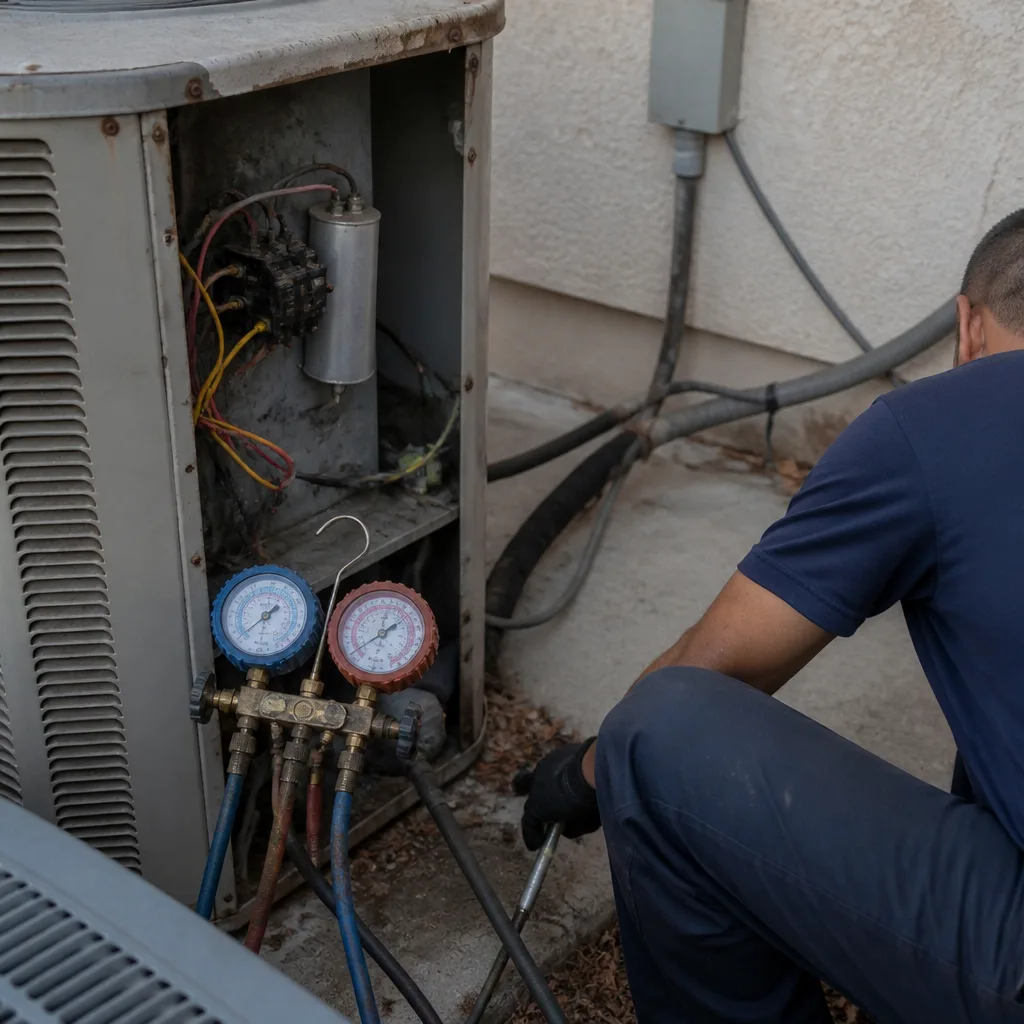
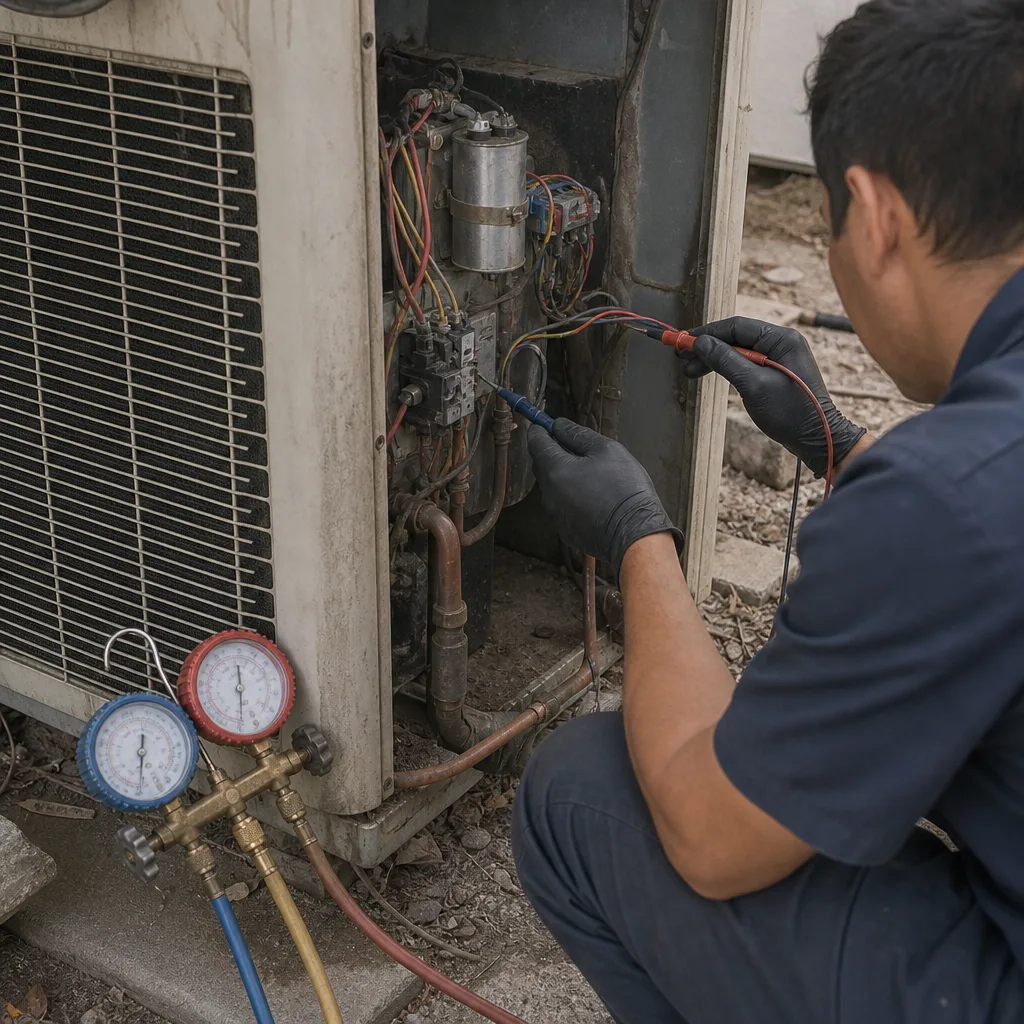
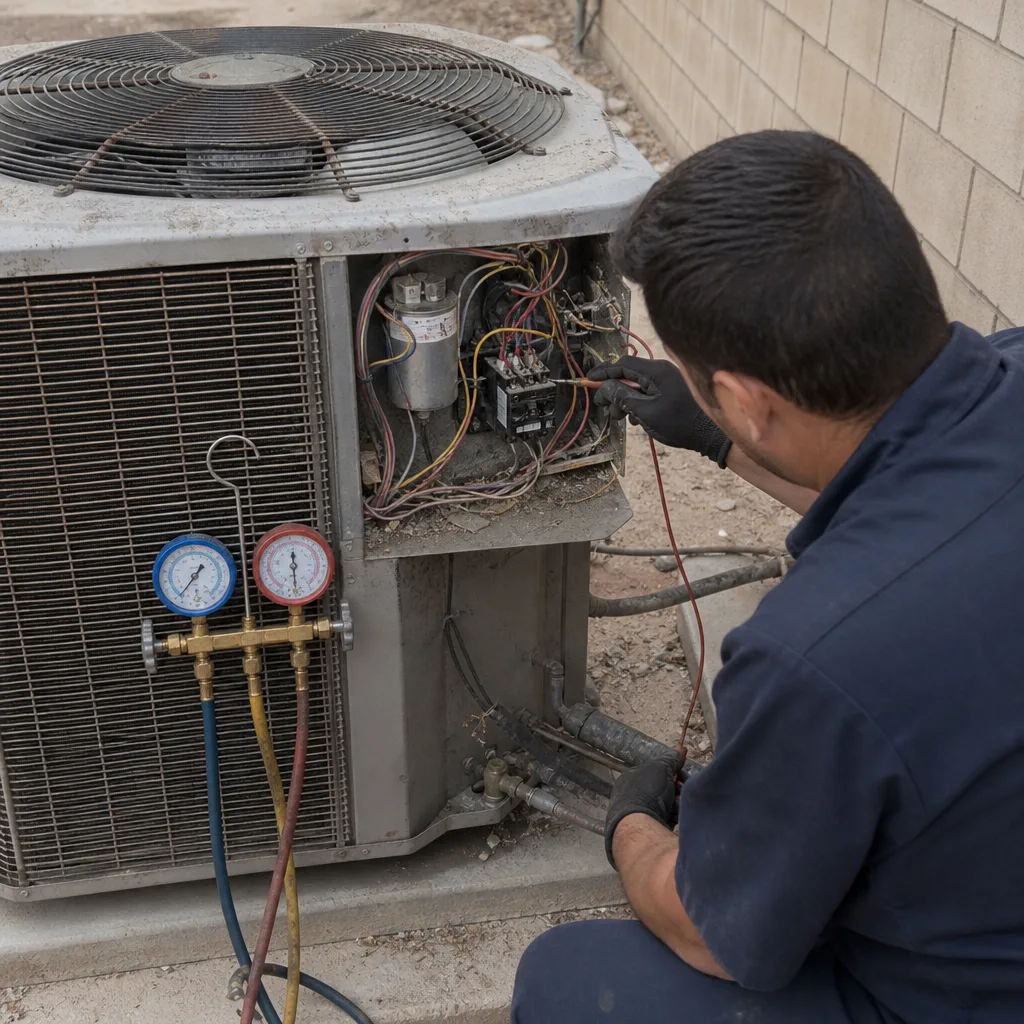
- Electrical diagnosis. Capacitor, contactor, wiring, and supply voltage get tested with a multimeter. This takes a few minutes and identifies a large share of failures immediately.
- Refrigerant pressure check. The technician connects gauges to measure high-side and low-side pressures and compares them against what the system should produce at the current outdoor temperature. This reveals charge issues, restrictions, or compressor problems.
- Report and repair options. A solid technician explains what they measured, what failed, and what it will cost to fix – in plain language. You should never feel rushed into a choice. Reputable companies offer a written estimate before any unapproved work.
Parts sourcing in North Las Vegas is generally fast. Common capacitors, contactors, and fan motors are stocked on most service trucks. Less common parts for brands like Goodman or Rheem may come from a local supply house the same day. For a few specialty parts on Trane or Lennox systems, expect a 24 to 48 hour order window. The technician should tell you the timeline honestly before you approve anything.
Repair or Replace: The North Las Vegas Math
The repair-versus-replace decision is the hardest call most homeowners face, and the standard advice – “if the repair costs more than 50% of a new unit, replace it” – is too crude for our market. North Las Vegas logic works differently because your cooling season is so long and your utility rates are high enough that an inefficient old unit costs real money every single month.
The rule we use with customers is straightforward: a repair is worth it if it buys you at least two more cooling seasons at a reasonable total cost. A $350 contactor replacement on a nine-year-old unit that’s otherwise healthy? That’s nearly always the right call. A $2,800 compressor replacement on a fourteen-year-old R-22 unit that uses an obsolete refrigerant? That’s usually not – because the refrigerant alone is being phased out, and you’d be investing in technology that’s already a dead end.
In North Las Vegas, also factor run time into the equation. A system that runs 2,000 hours a year wears out faster than one that runs 900. If your unit is twelve years old and runs hard every summer, even a successful repair doesn’t change the fact that the next major failure is statistically close. Newer units, particularly when properly sized for your home’s cooling load, also run more efficiently, which cuts your summer electric bill measurably. That savings is part of the replacement math, not a bonus afterthought.
When the diagnosis is murky, ask for the repair-first assessment. A company that tells you “we can fix this for $400 and it should hold up fine” is earning your trust. A company that jumps straight to AC installation talk before identifying the failure hasn’t earned a cent of it.
Which Repairs Are DIY-Safe, and Which Are Not
There’s a real temptation to fix things yourself in the summer when the house is hot and the phone quote scares you. Some maintenance is genuinely DIY-appropriate. Other things are dangerous, illegal, or warranty-voiding. Here’s the honest breakdown.
Safe to do yourself:
- Filter replacement. Monthly in peak cooling season. A clogged filter is the most common cause of frozen coils and reduced airflow.
- Condenser cleaning. Turning off power, hosing down the outdoor coil gently, and clearing leaves and debris from around the unit. This is safe and valuable.
- Thermostat battery and setting checks. Simple and worth doing before calling anyone.
- Drain line clearing. A wet/dry vac on the condensate drain line end can clear minor clogs and prevent overflow.
Call a technician, always:
- Capacitor replacement. Capacitors store lethal voltage even with the power off. This is a cheap repair – not worth the risk.
- Any refrigerant work. Federal law requires EPA certification to handle refrigerant. Doing it yourself is illegal and can damage the system.
- Contactor replacement. Live electrical components require line-voltage safety knowledge and proper tools.
- Compressor or motor work. High voltage, heavy components, and warranty implications. A DIY attempt can void manufacturer warranties.
The warranty point matters more than many homeowners realize. Manufacturers like Carrier and American Standard explicitly void warranty coverage on components damaged by unlicensed work. A $120 DIY “fix” that voids a $900 compressor warranty is a losing trade.
Documenting Your System So Any Technician Can Work on It
A surprising number of North Las Vegas homeowners don’t know their AC’s brand, age, or service history. That’s not a personal failing – most people don’t think about their HVAC system until it breaks. But when the system fails on a 110-degree afternoon, having a one-page record saves you time, money, and confusion.
A simple service log is genuinely useful. Keep it on paper in the laundry room or as a note on your phone. Record the brand (North Las Vegas homes have a mix of Carrier, Lennox, Trane, and Goodman systems, among others), the model number, the installation date if known, and a chronological list of every service visit: what was done, what parts were replaced, and what it cost. When a new technician arrives, that log tells them in thirty seconds whether they’re looking at a one-time failure or a pattern.
If you’ve just purchased the home and have no service history, the outdoor unit’s data plate shows the brand and model. The manufacturer can often date the unit from the serial number, sometimes with an online lookup. The indoor unit may have a tag from the original installer if the install was permitted. Beyond that, a thorough diagnostic is the fastest way to establish a baseline – a technician measures the system’s current performance and tells you what it’s likely to need next based on age and condition.
This documentation is especially valuable given how many homes in North Las Vegas have had multiple service providers over the years. No technician wants to guess what a prior owner did. Give them the facts.
Common Mistakes to Avoid
- Waiting too long on a small repair. A weak capacitor that gets ignored forces the compressor to strain, and compressor failure is a system-killing problem. A $180 part becomes a much bigger bill. In North Las Vegas heat, small issues become big ones within weeks, not months.
- Closing vents in unused rooms to save energy. Your system is balanced around a specific airflow. Closing vents raises pressure in the ductwork and forces the blower to work harder, reducing efficiency and furnace life. This is a common desert-home habit that backfires.
- Buying the wrong size replacement unit. Bigger is not better. An oversized AC cools the house too fast and shuts off before it dehumidifies, which in our dry climate mostly means short-cycling, wasted energy, and premature wear. Proper sizing comes from a load calculation, not a guess.
- Ignoring annual maintenance because “it’s working fine.” The time to tune an AC is before it fails, not after. Components degrade quietly. The best repair is the one you prevent.
- Choosing a technician based on price alone. The cheapest diagnostic call often becomes the most expensive repair, because shortcuts get made. Ask about brands serviced, certifications held, and how the tech documents findings.
- Adding refrigerant without finding the leak. A technician who “tops off” the charge and leaves is not fixing the problem. The leak, not the low refrigerant, is the repair. Demand the leak be found and addressed.
When to Call a Professional
Call an HVAC technician when you hear noises that weren’t there before – grinding, screeching, chattering – when the system runs but doesn’t cool, when it short-cycles on and off, when it freezes up, or when your July electric bill makes you physically flinch. These are diagnostic signals, and the faster they’re read, the cheaper the fix. Also call before you attempt any electrical troubleshooting beyond a filter change or a reset. Stratford AC Repair offers free estimates in North Las Vegas – call (844) 731-3077 for an honest assessment, whether the system is ten years old or twenty. We work on nearly every major brand, including yours, so the conversation starts with a diagnosis, not a sales pitch.
Frequently Asked Questions
Most North Las Vegas AC repairs fall between $150 and $700, with simple component replacements like capacitors and contactors at the low end and refrigerant leak repairs or fan motor replacements at the higher end. The written estimate you approve before work begins sets the final price.
Because of the long cooling season, a residential AC in North Las Vegas typically lasts 10 to 14 years, shorter than the national average. The 2,000-plus annual cooling hours simply use up the system’s service life faster. Regular maintenance and prompt repairs extend that window meaningfully.
The most common causes are a failed capacitor or contactor, a low refrigerant charge, or a clogged filter and dirty condenser coil restricting airflow. A diagnostic measured with gauges and a multimeter identifies the exact issue in under an hour.
For most capacitor, contactor, and electrical issues, yes – the parts are commonly stocked on service trucks and the repair can be completed the same day. Less common parts for specific brands may require a 24 to 48 hour order from a supply house, and the technician should tell you the timeline before starting work.
If the repair costs under $500 and the unit has no history of repeat failures, yes – it usually buys you two or more additional desert summers. If the repair involves a compressor or an obsolete refrigerant, replacement often makes better financial sense. The math should include our utility rates and the unit’s actual runtime.
Most component repairs – capacitors, contactors, fans, refrigerant leak sealing on existing lines – do not require a city permit. A full system replacement or new ductwork generally does, and the installing contractor handles that paperwork. A licensed technician can tell you for certain before the work starts.
The Bottom Line
Your air conditioner is the hardest-working mechanical system in your home, and in North Las Vegas it works harder than nearly anywhere else in the country. The repair decisions you make here – when to fix, when to replace, who to call – should be based on that local reality, not on generic advice written for milder climates. Learn the common failure signs, document your system’s history, call early when something sounds or feels wrong, and insist on a brand-agnostic diagnosis that follows the problem. A technician who works across Carrier, Trane, Lennox, and Goodman systems gives you options. A technician who only pushes one brand gives you a sales pitch. The choice matters.
Written by the team at Stratford AC Repair, serving North Las Vegas since 2015.
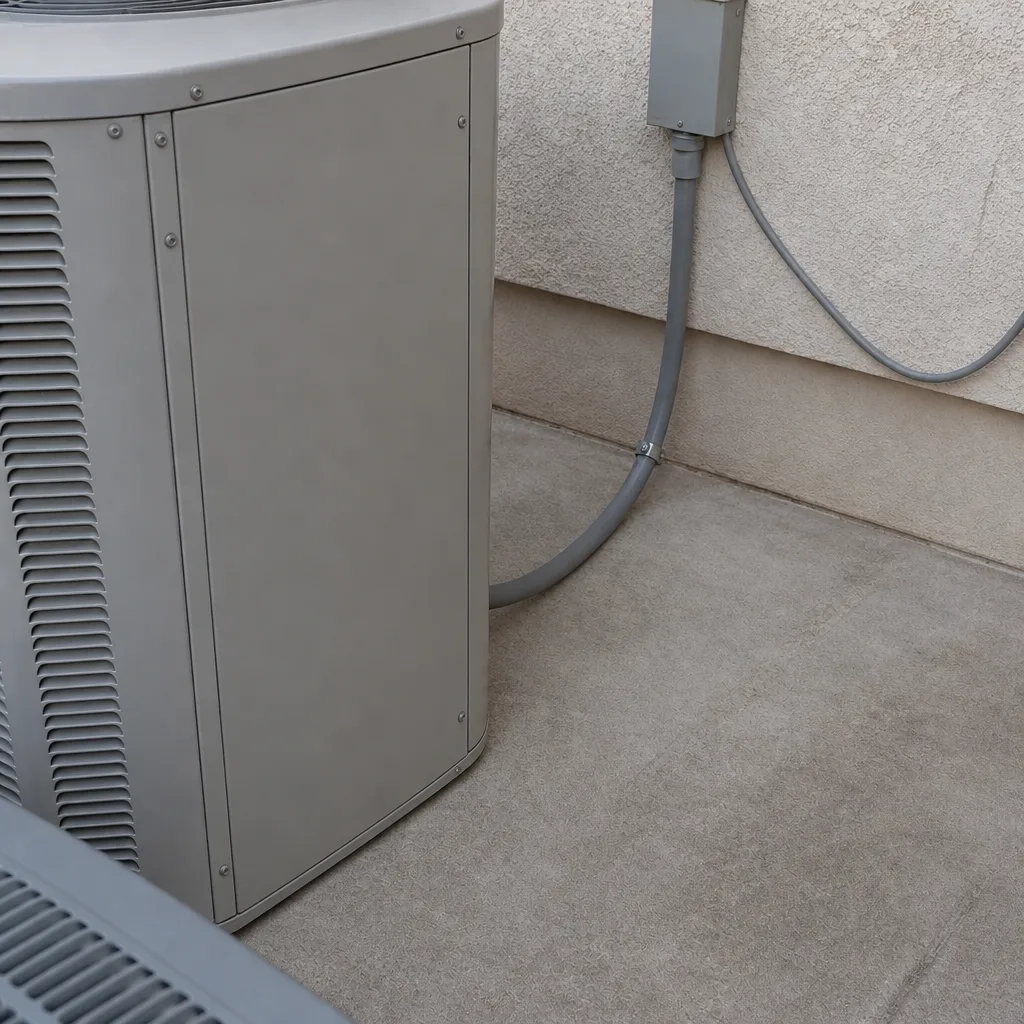
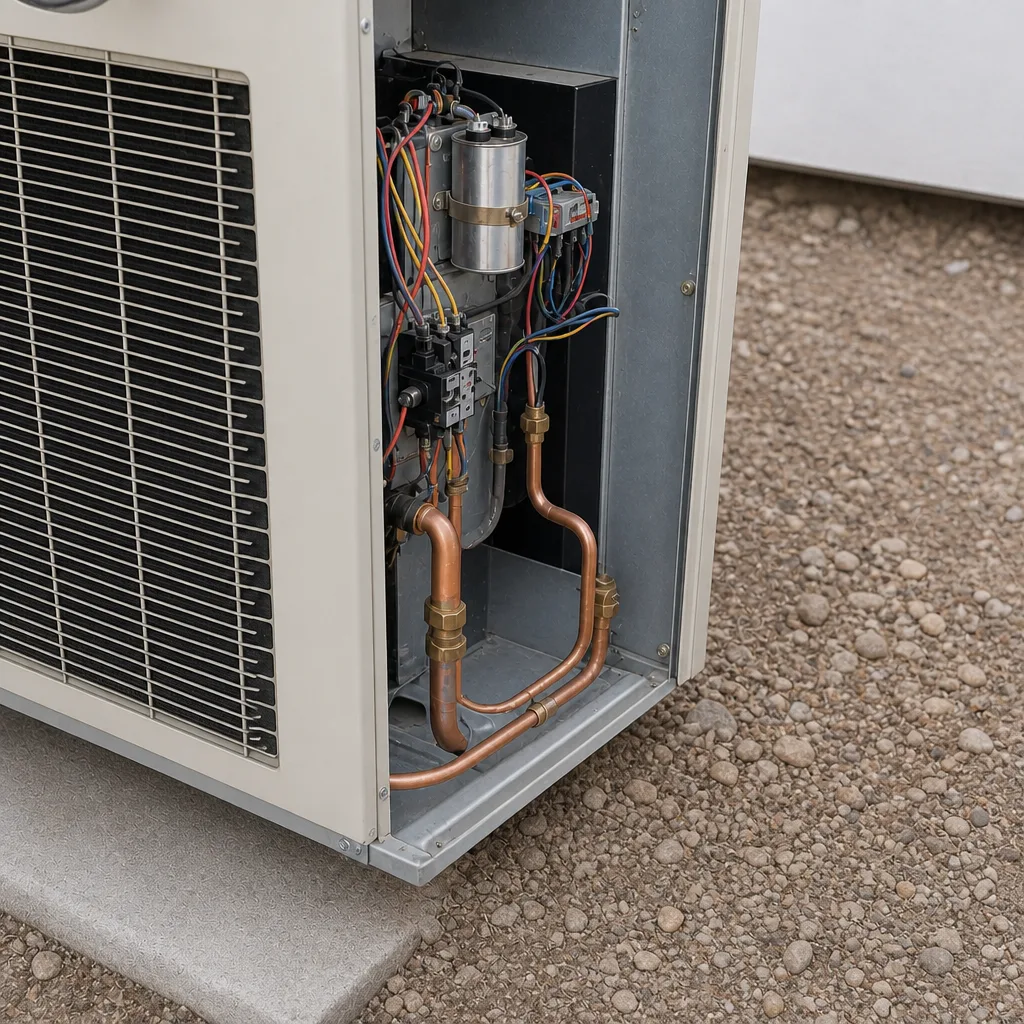
See the difference
 Before
 After
 Before
 After
 Before
 After