
Last updated November 14, 2026
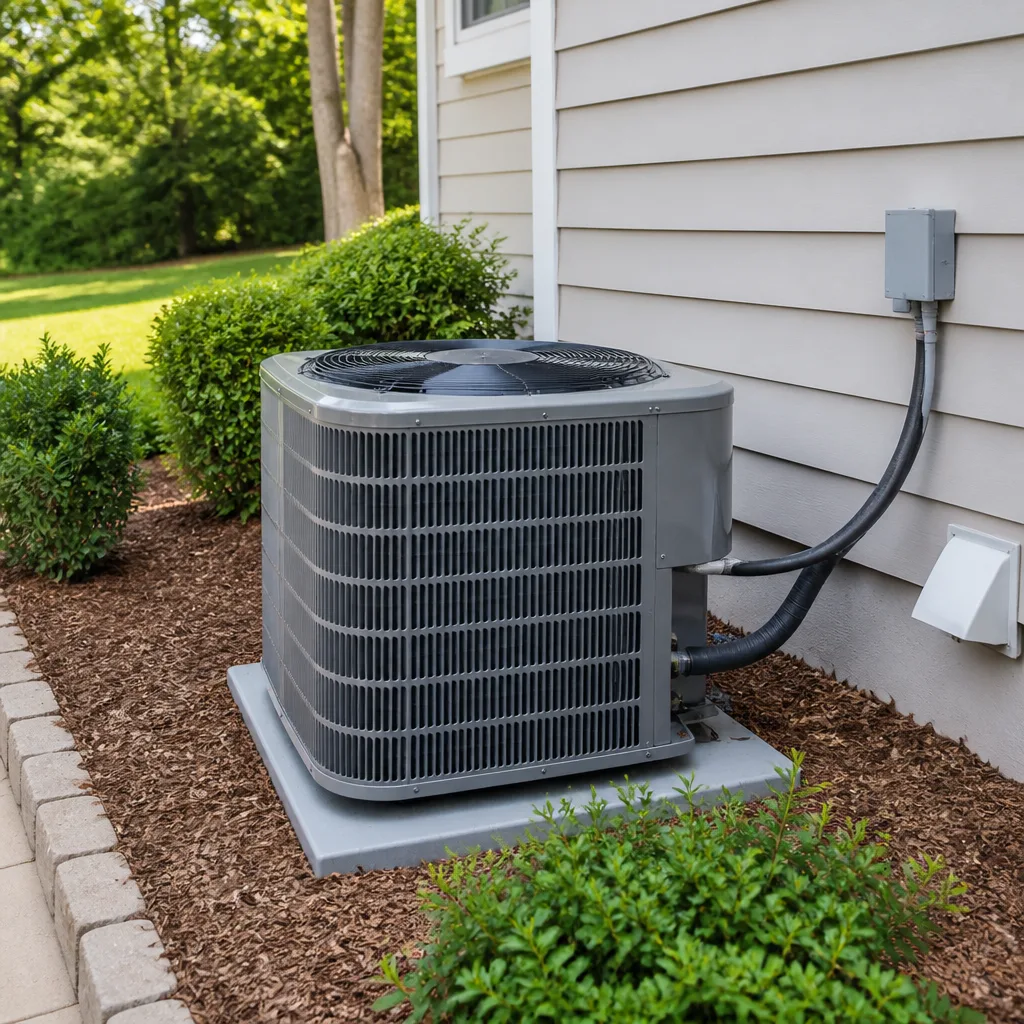 AC repair
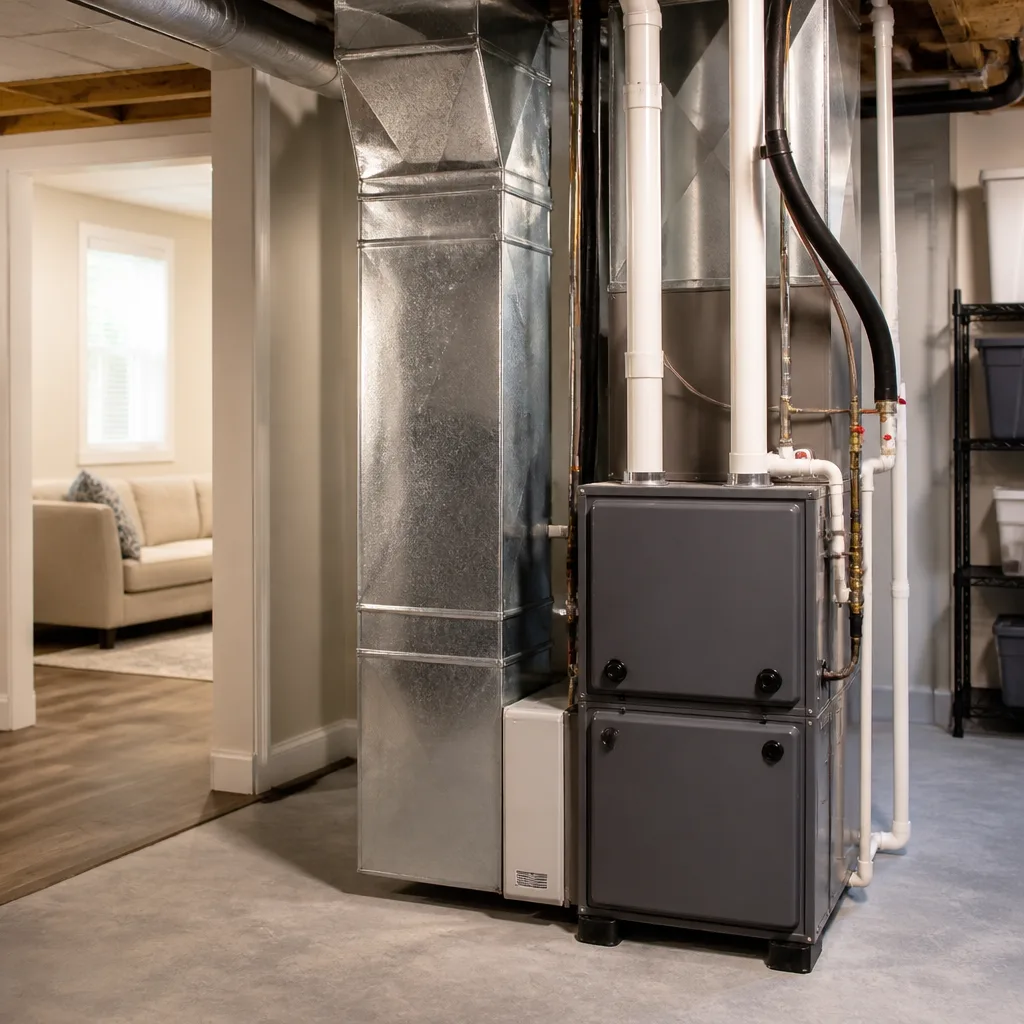 Furnace & heating
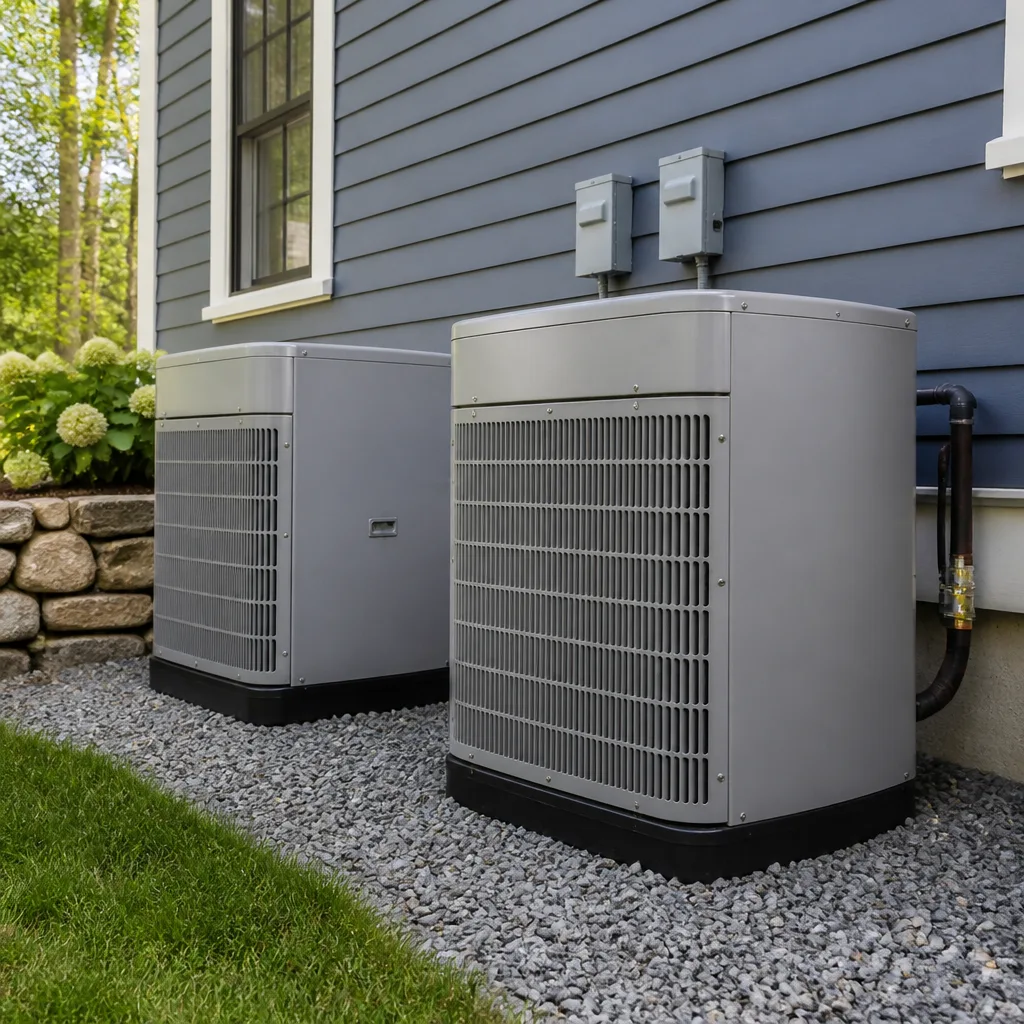 Heat pumps
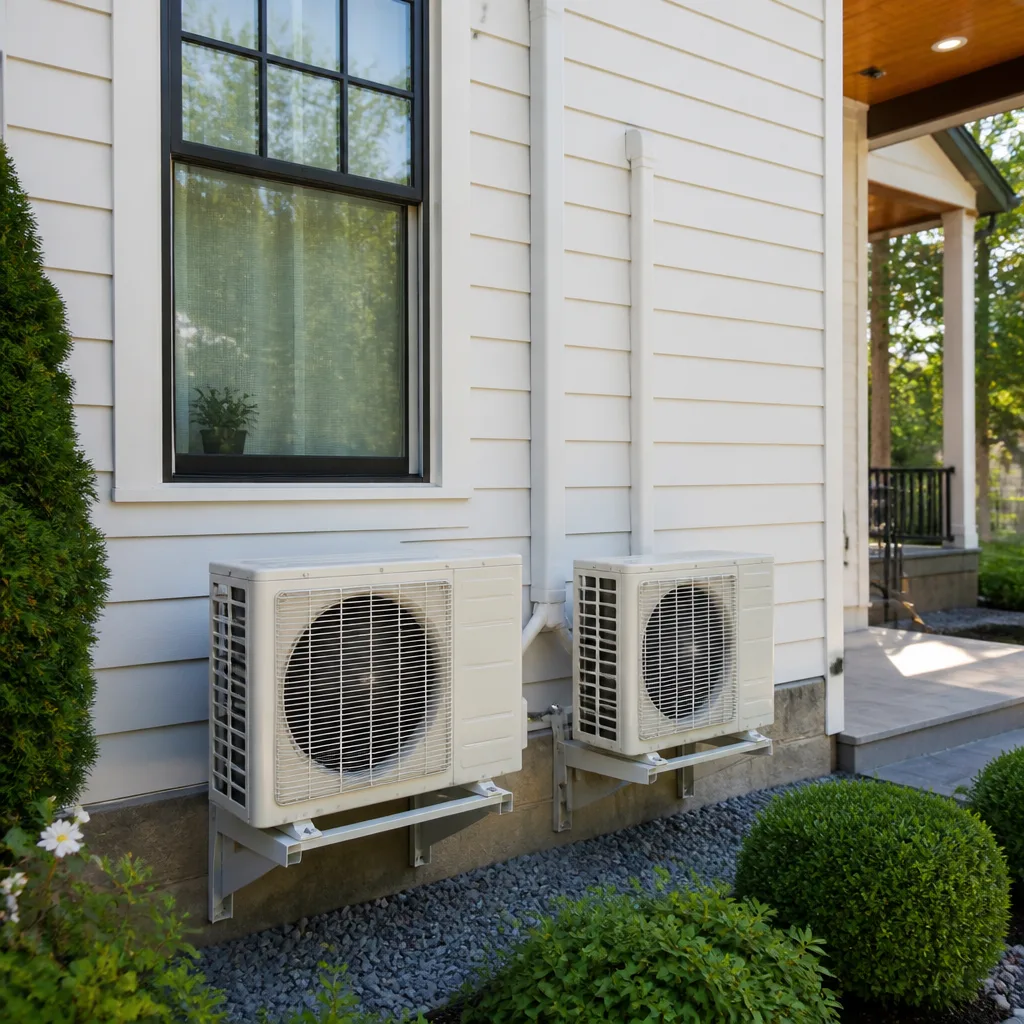 Ductless mini splits
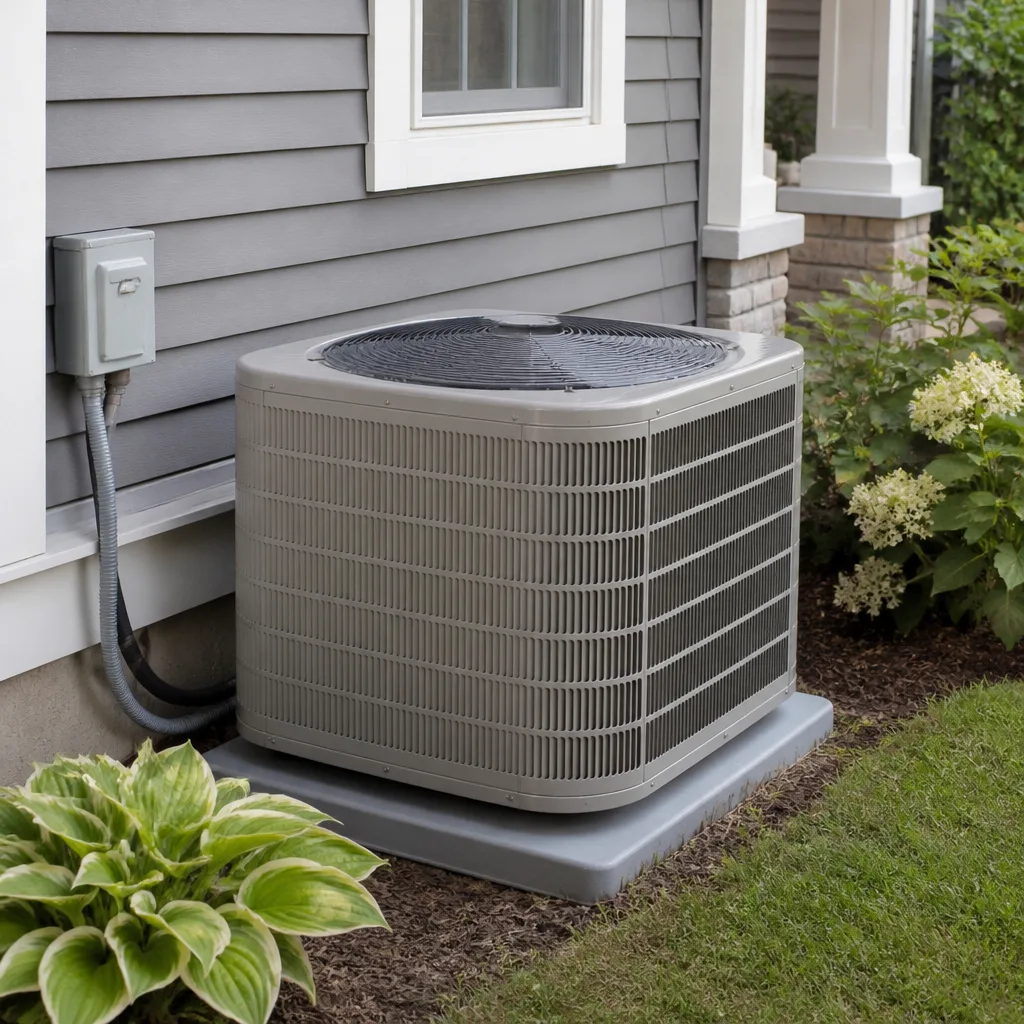 Carrier
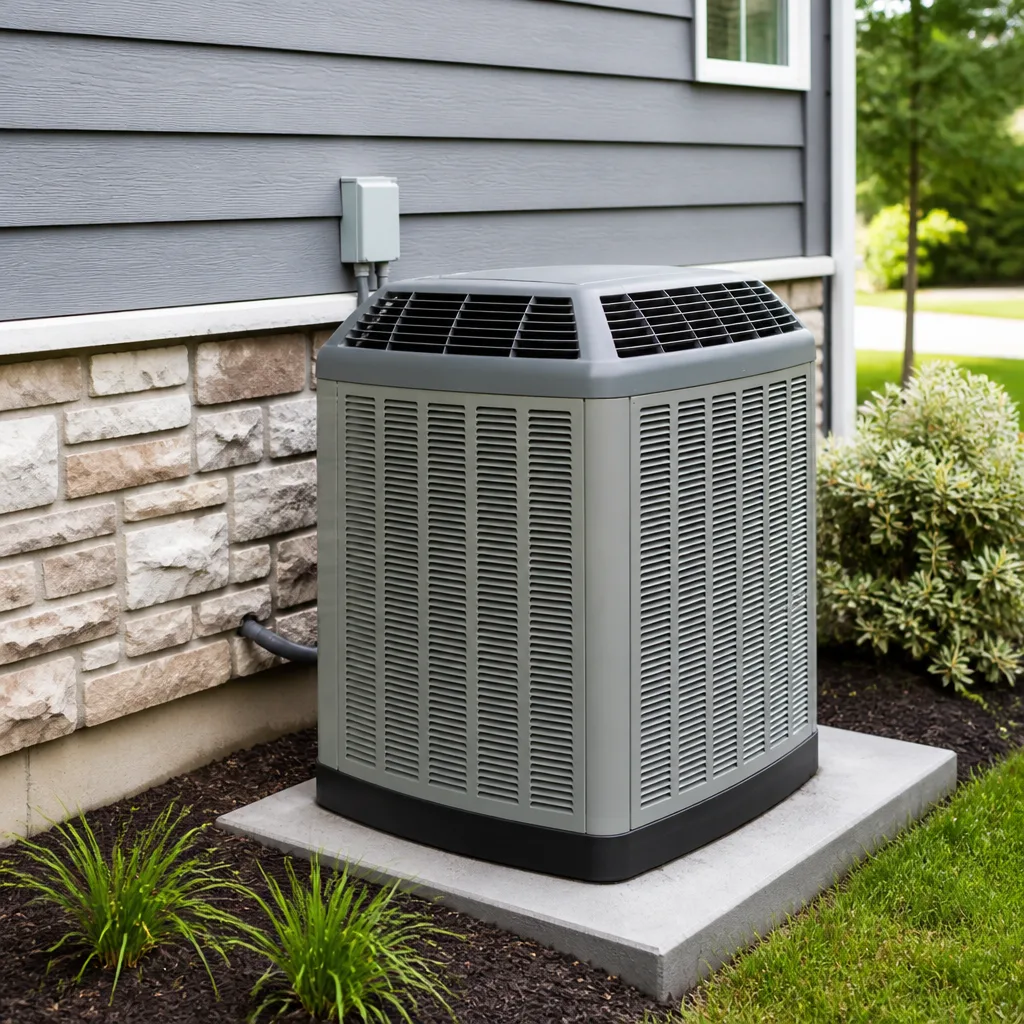 Trane
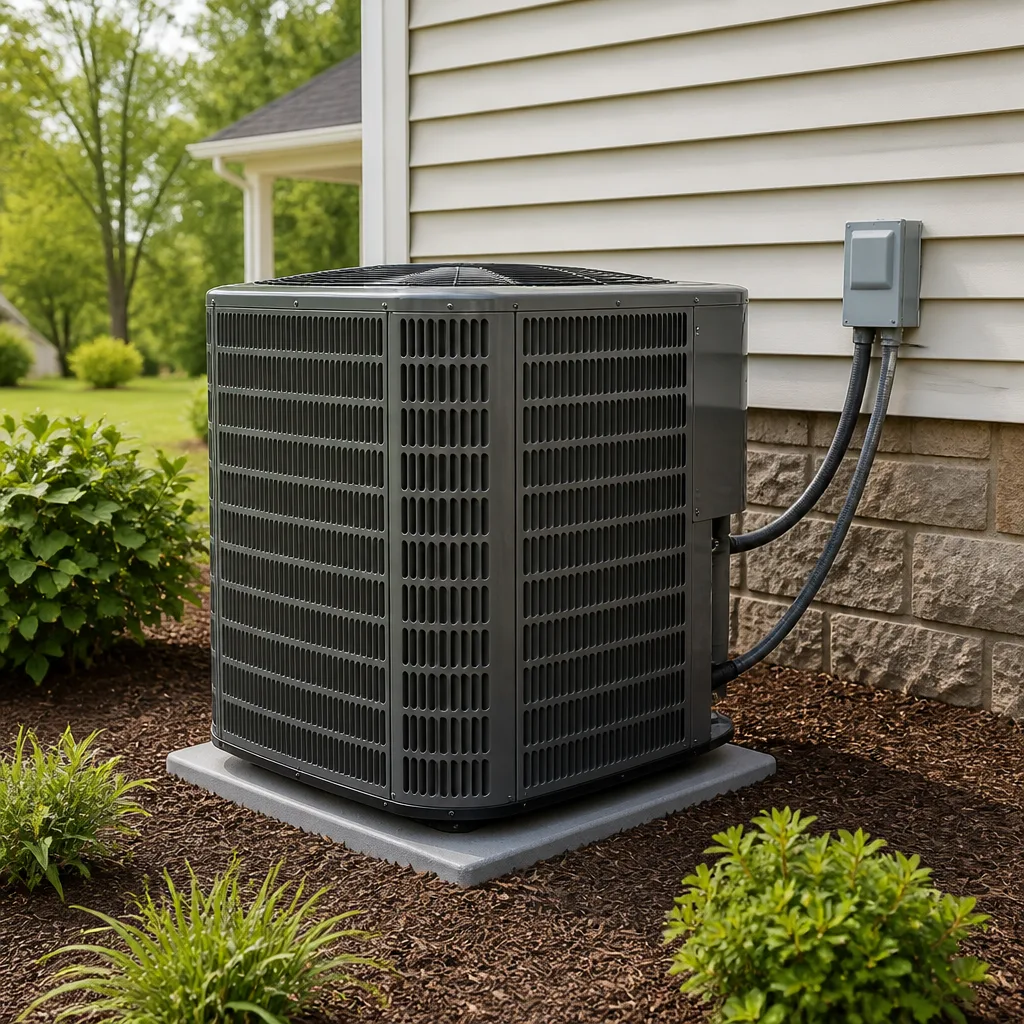 Goodman
Seasonal tune-up and full diagnostic on your Carrier, Trane, or Goodman system - readings shown to you before any repair is proposed
Diagnosis first, numbers second - you approve the repair price before a single part goes in.
Get your free estimateHVAC Warning Signs: A North Las Vegas Homeowner’s Reference Guide
Every summer, North Las Vegas homeowners get told their air conditioner is “on its last legs” the moment a technician hears a rattle or sees a slightly low reading. Some of those systems run another decade. Others genuinely fail within weeks. The difference comes down to reading symptoms correctly, which is harder than most guides admit because the same warning sign can point to five different problems with five very different price tags attached. This guide walks you through the warnings that actually matter, the ones that get misread, and how to describe what you’re seeing so you can get a straight answer instead of a replacement pitch.
Quick Answer
The most common HVAC warning signs in North Las Vegas are short-cycling (rapid on/off), warm air from vents in cooling mode, unusual grinding or buzzing sounds, and unexplained jumps in your NV Energy bill. Most of these point to repairable issues such as low refrigerant, dirty coils, or failing capacitors rather than full system failure. The smartest response is to gather the specific symptoms, note your unit’s approximate age and brand, then call a technician who can work on whatever system you actually have.
Styles & brands we work with
- AC repair
- Furnace & heating
- Heat pumps
- Ductless mini splits
- Carrier
- Trane
- Goodman
Table of Contents
- Short-Cycling Decoded: Three Causes That Look Identical in the Desert
- Warm Air From Your Vents: The Diagnostic Ladder Every Homeowner Should Know
- Unusual Sounds: What Grinding, Buzzing, and Rattling Actually Mean
- NV Energy Bill Spikes: When It’s Your AC and When It’s Just Summer
- System Age and Warning Signs: Why the Same Symptom Means Different Things at 5 vs. 15 Years
- Common Mistakes to Avoid
- When to Call a Professional
- Frequently Asked Questions
Short-Cycling Decoded: Three Causes That Look Identical in the Desert
A system that kicks on, runs for five or ten minutes, shuts off, then restarts twenty minutes later is short-cycling. In North Las Vegas, where daytime highs routinely push past 100 degrees from June through September, homeowners often assume a system that cycles frequently is simply working hard against the heat. Sometimes that’s true. Other times the frequent cycling is the system fighting a problem, and every extra start wears the compressor a little further down. The key is knowing which of the three common causes you’re dealing with.
- Low refrigerant charge. When refrigerant runs low, the evaporator coil can’t absorb heat at its designed rate. The system overworks, overheats, and safety switches shut it down before the cycle finishes. A system low on refrigerant typically also produces lukewarm air and may have ice forming on the larger copper line at the outdoor unit. This is the most common cause we see in North Las Vegas when a unit short-cycles specifically on very hot days, not on mild ones.
- Restricted airflow. A clogged filter, a dirty evaporator coil, or blocked return vents starves the system of air. Without enough air moving across the coil, the coil temperature drops too far and the system may trip a low-temperature safety. The fix ranges from a $15 filter replacement to a coil cleaning. Checking airflow costs you nothing, takes five minutes at the return grille, and should always be your first move before you call anyone.
- Oversized equipment. An air conditioner that’s too large for the square footage cools the house so quickly that the thermostat satisfies before the system completes a proper cycle. You get cold spots, high indoor humidity, and a unit that starts every fifteen minutes all summer long. This is a design problem, not a repair problem. If you describe short-cycling to a technician and they immediately quote you a new compressor, get a second opinion. Oversizing can only be fixed by replacing the unit with a properly load-calculated system, and a technician should tell you that plainly rather than replacing parts that aren’t broken.
How you describe the pattern matters. “It runs for about eight minutes, then shuts off, then comes back on about ten minutes later” tells a technician far more than “it keeps turning on and off.” Write down the approximate run times at two different times of day, morning and late afternoon, before you call. That detail alone can prevent a misdiagnosis.
Warm Air From Your Vents: The Diagnostic Ladder Every Homeowner Should Know
Warm air from the vents in summer is the most common AC complaint in North Las Vegas, and it is also the most frequently misdiagnosed. Homeowners assume it means the system is dying. Technicians who want to sell a replacement may encourage that assumption. The truth is that warm air has a specific diagnostic sequence, and the first three steps are things you can check yourself without touching anything dangerous.
- Thermostat settings. Confirm the system is set to “cool,” the fan is set to “auto” not “on,” and the temperature setting is at least five degrees below the current indoor reading. A thermostat set to “on” runs the blower continuously, which pushes warm, unconditioned air through the vents between cooling cycles. This is the single most common “repair” call that requires no repair.
- Air filter and return vents. A badly choked filter restricts airflow, which reduces cooling capacity and can cause the indoor coil to freeze. When the coil ices over, the air blowing across it warms up. Check the filter. Check that return vents are not blocked by furniture, rugs, or boxes. In a North Las Vegas summer, a filter that would be marginal in spring becomes a real problem by August.
- Outdoor unit condition. Walk outside and look at the condenser coil. If it’s packed with cottonwood fuzz, dust, or yard debris, it cannot reject heat. The system will run longer, cool less, and eventually trip its high-pressure switch. Coil cleaning is a standard maintenance item, not a sign of failure. In our dry, dusty climate, coils need cleaning more often than coastal homeowners would ever expect.
- Refrigerant charge. If the first three check out, the next probability is a low refrigerant charge, usually from a slow leak in the coil or at a fitting. The system runs but the air feels slightly cool at best. A technician uses gauges to measure pressures and can identify an undercharge within minutes. Repairing the leak and recharging is a legitimate repair. Recharging without finding the leak is a bandage.
- Compressor failure. When the compressor cannot build pressure, the refrigerant never moves heat out of the house. The indoor air feels like a fan blowing, not an air conditioner. Compressor replacement is expensive enough that a thorough technician tests electrical components first to rule out a failed capacitor or contactor before condemning the compressor itself.
The order here matters. Most warm-air calls in North Las Vegas are solved by step one, two, or three without any component replacement at all. If a technician jumps straight to “you need a new unit” without checking the filter, the thermostat, and the outdoor coil, that’s a signal to get a second opinion.
Unusual Sounds: What Grinding, Buzzing, and Rattling Actually Mean
Sounds are the HVAC system’s earliest warning language, but each one means something different. Being able to describe the sound accurately, and where it comes from, separates a useful service call from a vague one.
Grinding from the blower motor
A true grinding noise, like metal dragging against metal, from the indoor air handler usually indicates worn bearings in the blower motor. The motor can continue running for weeks or months in this condition, often getting louder, but ignoring it means a motor replacement eventually, and potentially damage to the blower wheel itself if the shaft wobbles. In our experience, this sound is most noticeable at the return grille where the air enters, not at the supply vents.
Buzzing or humming from the outdoor unit
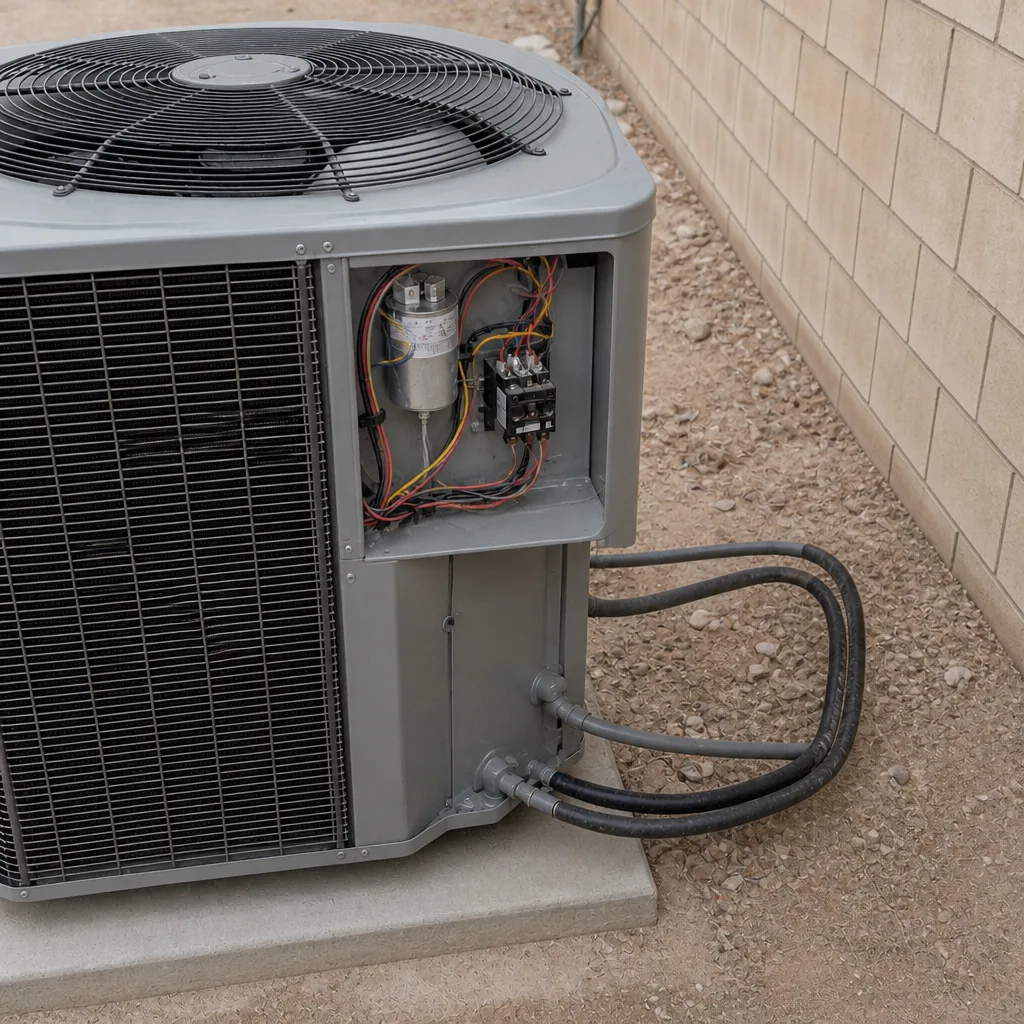
A loud electrical buzz or hum from the condenser, especially when the unit tries to start but the fan doesn’t spin, typically points to a failing contactor or capacitor. The contactor is an electrical switch that closes to deliver power to the compressor and fan motor. Over time, the contacts pit and arc, which produces the buzz. A capacitor that is weakening can cause a hum as the motor struggles to start. Both are common, inexpensive parts in the repair world, but they can masquerade as compressor failure to an untrained ear. We have replaced many $25 capacitors that a homeowner was told meant a full compressor replacement.
Rattling or flapping
A rattle from the outdoor unit usually means a loose panel, a stick or debris against the fan blade, or a failing compressor mount. A rattle from the indoor unit often means a loose access panel or a duct connection that has worked loose. These are nuisance noises in most cases, but a loud rattle from the compressor area specifically, especially when the unit is running at full load on a hot afternoon, deserves a look sooner rather than later.
Hissing or squealing
A continuous hiss near the indoor coil can indicate refrigerant escaping through a pinhole leak. A high-pitched squeal when the blower starts often indicates a slipping belt, though most modern residential systems use direct-drive motors, so this is more common on older equipment. If you hear a hiss, and cooling performance has dropped at the same time, the two symptoms together are highly informative to a technician.
Record the sound on your phone if you can, even a short clip. A ten-second recording gives our technicians far more information than a verbal approximation, and it helps us diagnose the problem faster before we arrive.
NV Energy Bill Spikes: When It’s Your AC and When It’s Just Summer
Between June and September, every household in North Las Vegas sees its power bill climb. The question is not whether your bill went up, but by how much relative to the outdoor temperature and your equipment’s age. A system losing efficiency shows up in the bill long before it shows up as a failure.
NV Energy uses tiered summer rates, meaning the price per kilowatt-hour rises as you consume more. A normal summer in North Las Vegas can produce a bill spike of 20 to 30 percent over spring, even with a perfectly healthy system, just from longer runtimes. But when the same month this year is noticeably hotter than last year, more of that increase can be attributed to outdoor conditions. What matters is the trend across comparable months.
Here’s a practical way to evaluate what you’re seeing:
- Compare your bill to the same month one year ago. If July of this year is 15 to 20 percent higher than last July, and the weather was similar, that’s within normal variation. Air conditioners lose a small amount of efficiency each year anyway.
- Watch for unexplained jumps outside the weather pattern. If your June bill was normal but your August bill is 50 percent higher than last August with no major heatwave difference, something changed. That something is usually the system running longer cycles to reach the same setpoint, which points to airflow restriction, low refrigerant, or a failing capacitor causing harder starts.
- Daily usage tracking. NV Energy customers can log into their online account and view daily usage. If your daily kilowatt-hours on a 100-degree day are 30 percent higher than they were on a 100-degree day last year, start with a filter check and then schedule a diagnosis.
A system that is quietly losing refrigerant will often run twice as long to cool the house the same amount. That shows up on the bill months before the system stops cooling entirely. Treating an unexpected bill spike as a diagnostic signal, rather than an annoyance, can catch a small leak before it becomes a compressor replacement.
System Age and Warning Signs: Why the Same Symptom Means Different Things at 5 vs. 15 Years
The age of your equipment changes the diagnostic math significantly, and honest technicians factor age into every recommendation. North Las Vegas systems run hard, sometimes 2,000 hours in a single cooling season, which means a ten-year-old system here often has the wear of a twenty-year-old system in a milder climate.
Systems under five years old
A system less than five years old should not be failing. When it develops symptoms, the causes are almost always installation-related, environmental, or a defective part still under manufacturer warranty. Refrigerant leaks in young systems are usually at braze joints or factory welds, not rusted coils. A capacitor can fail early, but that’s a simple swap. The big warning sign on a young system is poor airflow or icing that traces back to an undersized return or a duct leak, problems that were present from day one and only show up in the first extreme summer. If a technician tells you a five-year-old unit needs replacing, ask specifically what failed and whether the part is under warranty. In most cases, you should get a second opinion before replacing a system that young.
Systems five to twelve years old
This is the repair-versus-maintain zone. Wear items like capacitors, contactors, and fan motors fail naturally. Refrigerant leaks become more likely as coil materials age. The system still has enough projected life that targeted AC repair usually makes financial sense. The key warning sign to watch in this range is pattern change: a system that used to cool the house from 80 to 74 in an hour now takes ninety minutes. That gradual decline often traces to an airflow issue or a slow leak, and addressing it can restore performance without replacement.
Systems over twelve years old
Past twelve years, especially in the North Las Vegas desert, the economics begin to shift. Major component failures become more common, and refrigerant availability can become a factor. If a system this old develops a compressor failure or a leaking evaporator coil, the honest conversation includes AC installation as a legitimate option, not because a repair is impossible, but because putting $2,500 into a system that will likely need another major repair within two years may not serve you. The warning signs that matter most on older systems are the ones that predict cascade failure: a compressor drawing higher amperage than rated, refrigerant pressures that drift season after season, or electrical connections that show heat damage.
The age of your unit should change how you hear a diagnosis. “Compressor is failing” on a six-year-old unit should trigger questions about warranty and root cause. The same statement on a sixteen-year-old unit is a different conversation entirely. A technician who treats both cases identically is not doing their job. We service major residential brands such as York, Daikin, and American Standard, and the same diagnostic principles apply whether the cabinet says one name or another.
Common Mistakes to Avoid
- Replacing a fully repairable system because one technician said so. A second opinion costs little compared to a full replacement. Compressor “failures” frequently turn out to be a failed capacitor or contactor, particularly on units under eight years old. In North Las Vegas, where summer demand pushes some companies toward fast replacement pitches, this happens more often than homeowners realize.
- Ignoring a short-cycle pattern because the house still cools. Short-cycling can quadruple the number of compressor starts per day. Each hard start adds wear. A system that short-cycles for a full summer season may be undiagnosed until the compressor fails the following spring, when repair costs are highest and replacement demand is peaking.
- Changing only the thermostat batteries and assuming that solved the problem. A blank thermostat from dead batteries is simple. But a thermostat that reads correctly yet calls for cooling incorrectly, or has a loose wire at the terminal block, can mimic system failure. If the batteries fix it, you’re done. If the problem returns, don’t keep swapping batteries.
- Waiting until August to address a symptom first noticed in May. North Las Vegas AC companies are at their busiest in July and August. A symptom you notice in May is far easier to get diagnosed with flexible scheduling, before the first major heatwave pushes every system in the valley to its limits at the same time.
- Assuming a loud outdoor unit is normal “just because it’s old.” Age explains some things, but a new grinding or buzzing sound is never the system settling in. It is mechanical or electrical, and it is almost always cheaper to fix the day you hear it than the day it stops.
- Closing vents in unused rooms to “save energy.” Modern high-efficiency systems are designed for a specific airflow volume. Closing multiple vents increases static pressure, reduces airflow across the coil, and can lead to coil icing or blower motor stress. This is one of the most persistent pieces of bad advice homeowners follow.
When to Call a Professional
Some warning signs are inherently safe to observe and monitor. Others deserve a call the same day you notice them. Call a professional when you hear a grinding noise from the indoor blower, a loud electrical buzz from the outdoor unit that coincides with failure to start, or any hissing near the indoor coil paired with diminished cooling. Call when your system has not cooled the house below 78 degrees by evening, when ice is visible on either copper line, or when the breaker serving the AC trips more than once. Warm air from the vents after dark in a North Las Vegas summer is not an inconvenience; on 110-degree days it becomes a genuine health concern, particularly for the elderly, infants, and people with respiratory conditions. Stratford AC Repair offers free estimates in North Las Vegas – call (844) 731-3077.
Frequently Asked Questions
The most common ones in North Las Vegas are short-cycling, warm air from vents, loud or unusual noises from either unit, and an unexplained jump in your power bill that doesn’t match the outdoor temperature pattern. Any one of these can be caused by something simple like a dirty filter; any one can also be the first sign of a larger problem. Diagnosis tells you which.
No. A properly sized system in good repair should run noticeably longer cycles during peak desert heat, not shorter ones. Frequent on/off cycling in July usually points to low refrigerant, restricted airflow from a dirty filter or coil, or a system that was oversized from the day it was installed. Have a technician check airflow and refrigerant pressures before assuming the worst.
A year-over-year increase of 30 percent or more for the same calendar month, when the weather was similar, is worth investigating. Smaller increases are common as equipment ages and NV Energy summer rates apply. Use the online daily-usage tools from NV Energy to compare similar temperature days across years.
Rarely by itself. A loud buzz often means a failing capacitor or contactor, both inexpensive parts. A rattle is usually loose hardware or debris. A grinding noise from the compressor itself is more serious, but even then, a diagnosis of the specific failed component should precede any replacement conversation. Never accept a replacement quote based on a sound alone without a parts-level diagnosis.
At fifteen years old in the North Las Vegas climate, the repair-versus-replace decision depends on the specific failed component and the system’s overall condition. A $300 capacitor on an otherwise strong fifteen-year-old unit may still make sense. A $3,500 compressor replacement on a system with a marginal coil and aging electrical connections may not. Ask the technician to explain the remaining projected life and what other failures are likely within two years.
Yes. A badly restricted filter reduces airflow across the evaporator coil, which lowers the coil temperature until condensation freezes. Once iced, the coil blocks airflow almost entirely and the air coming from your vents warms up. Changing the filter and running just the fan to thaw the coil often restores normal operation. If it recurs quickly with a clean filter, the airflow problem is elsewhere.
If you’re noticing any of these warning signs, call (844) 731-3077. We’ll diagnose what’s actually wrong before we talk about what it costs to fix.
The Bottom Line
Most HVAC warning signs are real, but they are rarely an automatic death sentence for your system. Short-cycling, warm air, odd sounds, and bill spikes each have a diagnostic path that starts with simple, inexpensive causes and only reaches major repairs after those are ruled out. In North Las Vegas, where the cooling season is long and brutal, catching a small problem in May or June saves you from a crisis in August. Know your system’s approximate age, describe what you’re noticing in specific terms, and work with a technician who diagnoses the problem in front of you rather than steering toward replacement on the first visit. North Las Vegas homeowners who understand their system’s warning signs make better decisions, spend less over time, and avoid panic-buying equipment they don’t need.
Written by the team at Stratford AC Repair, serving North Las Vegas since 2015.
See the difference
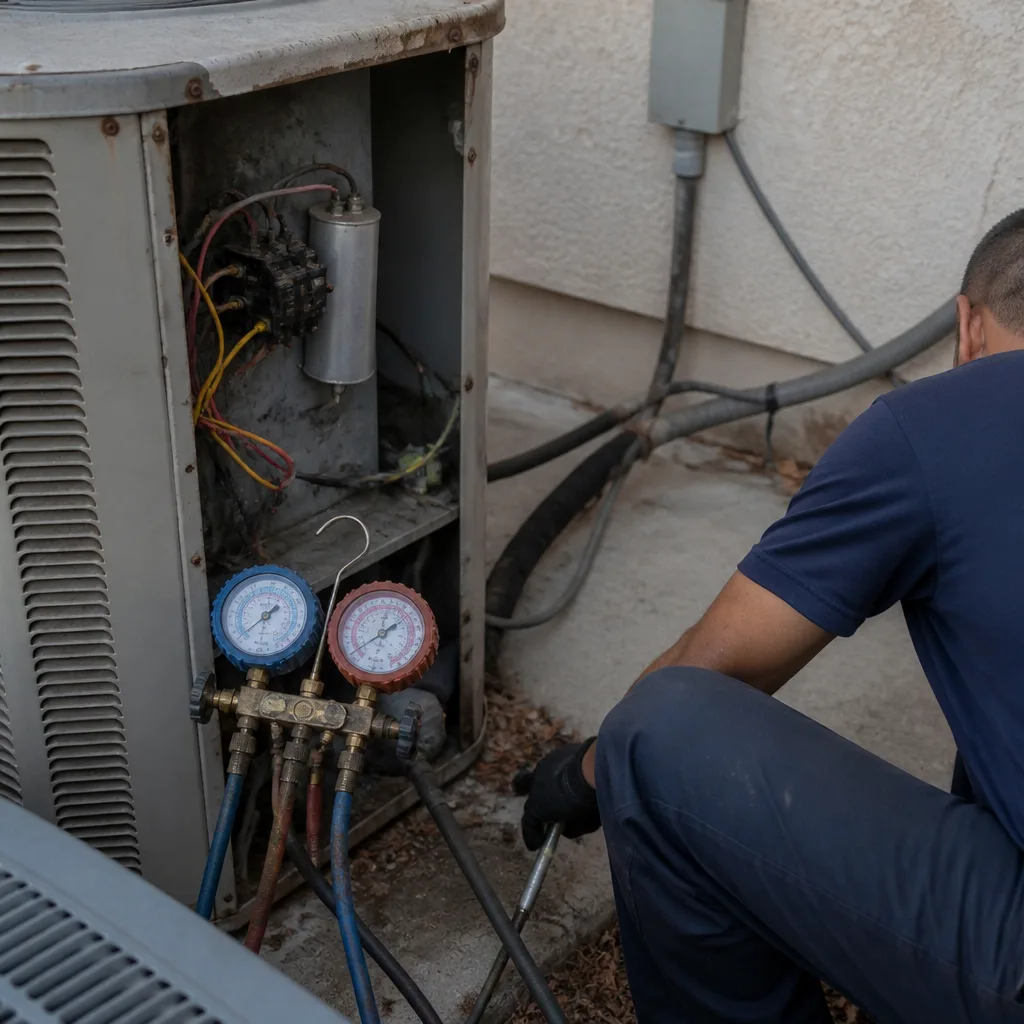 Before
 After
 Before
 After
 Before
 After