
Last updated November 14, 2026
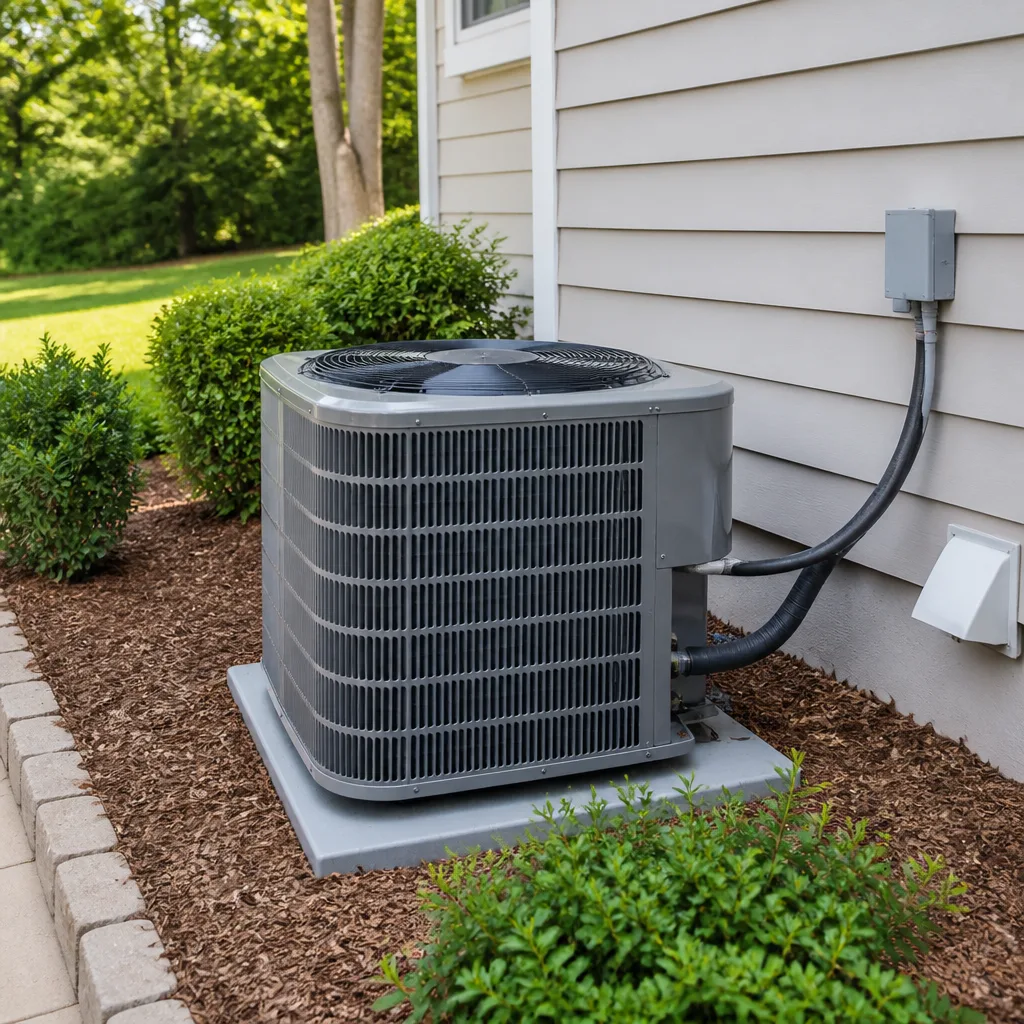 AC repair
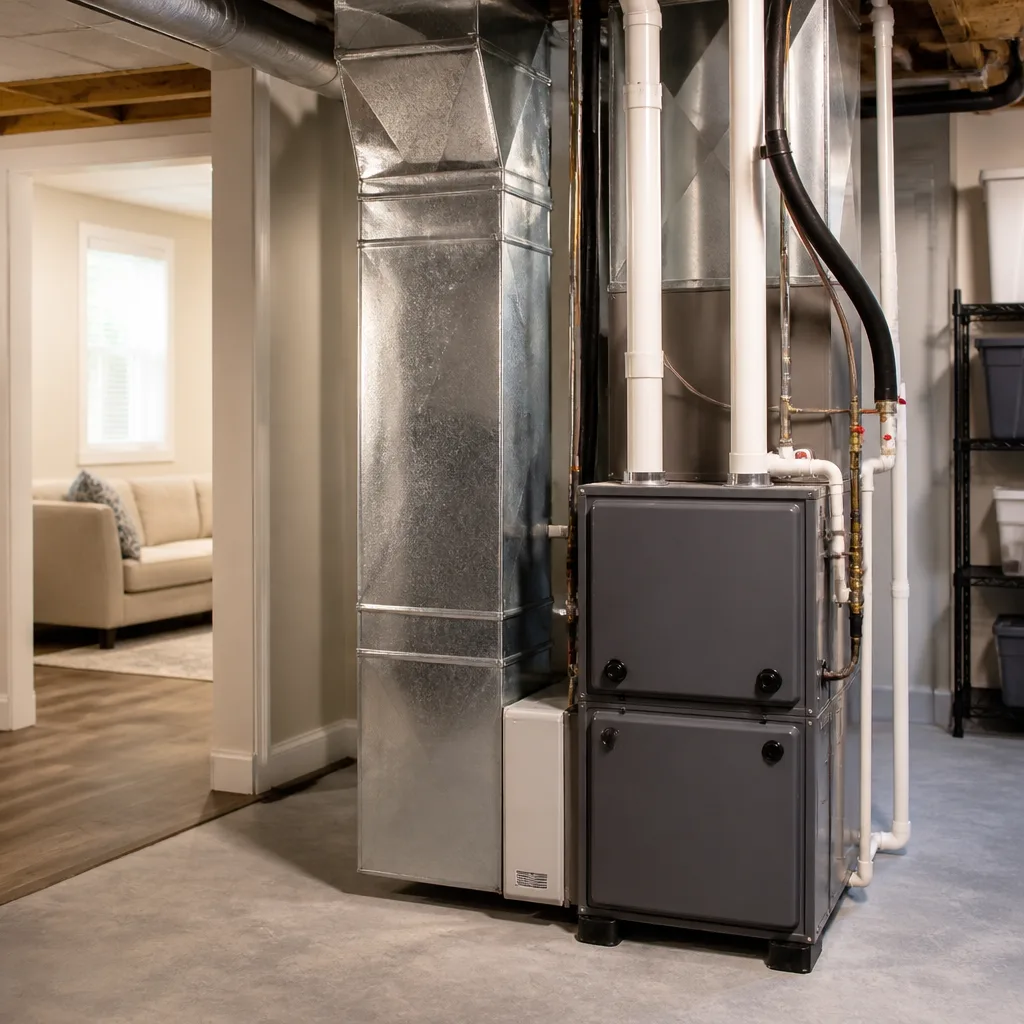 Furnace & heating
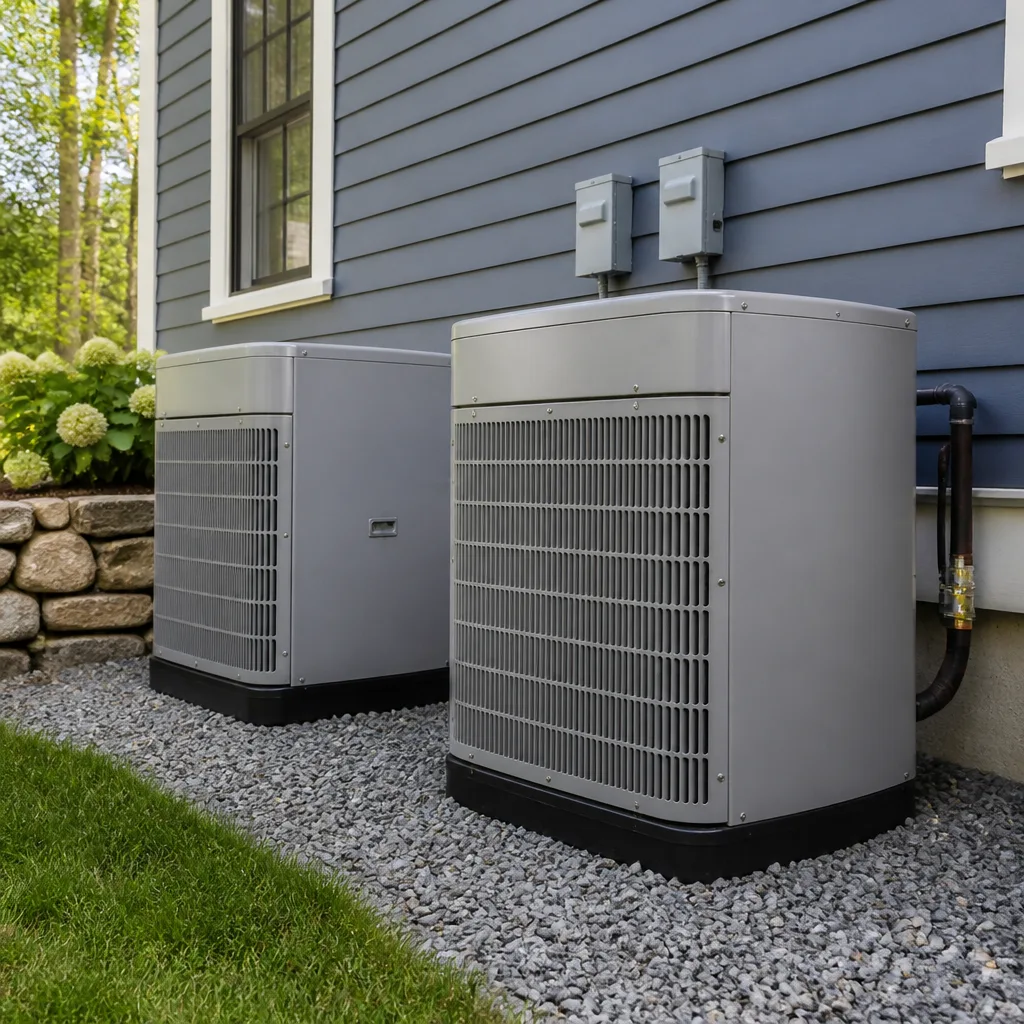 Heat pumps
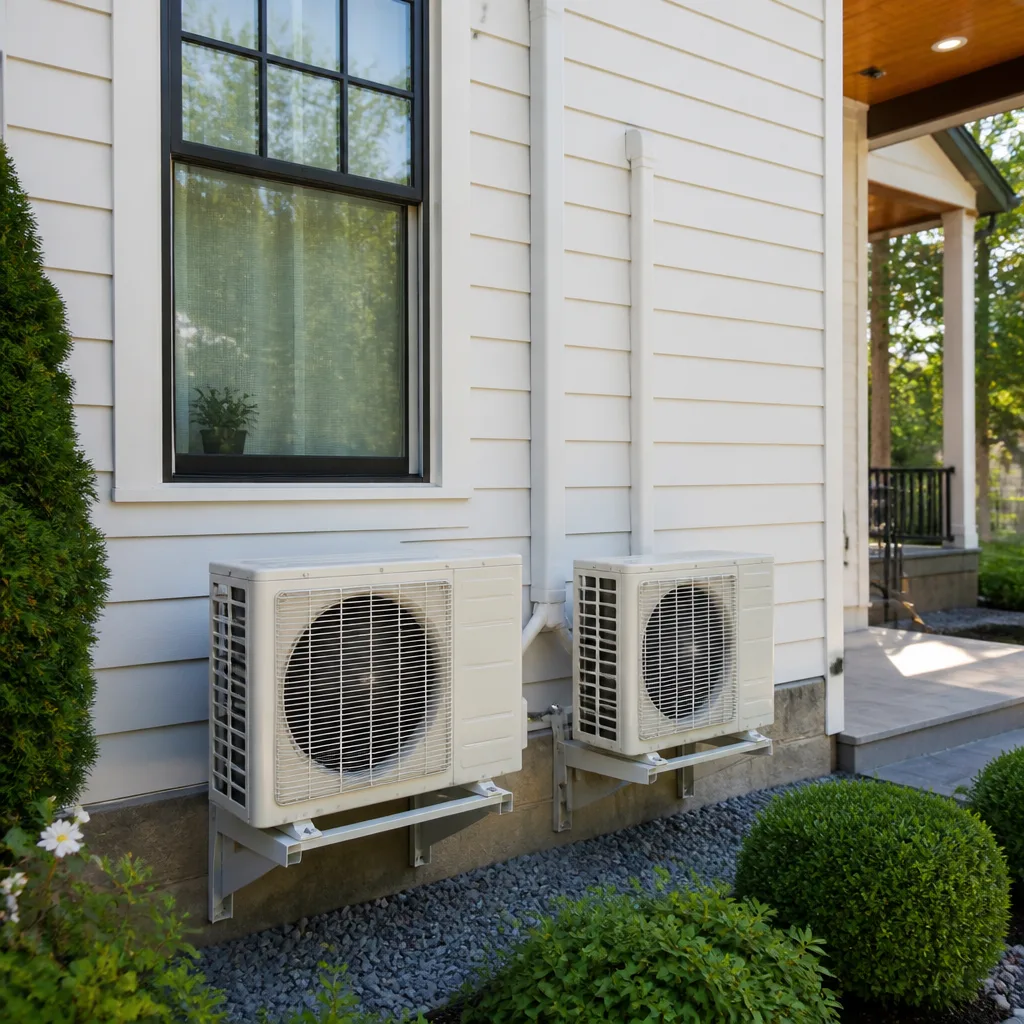 Ductless mini splits
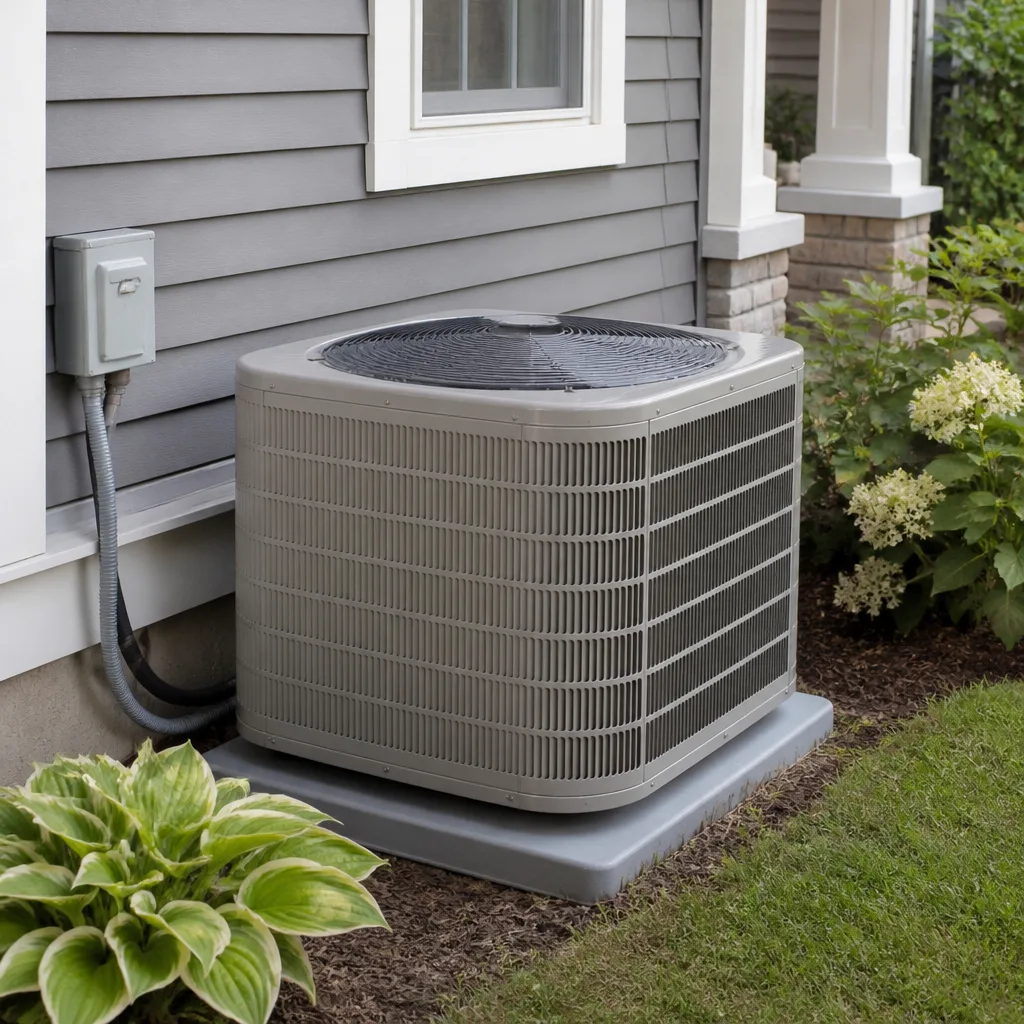 Carrier
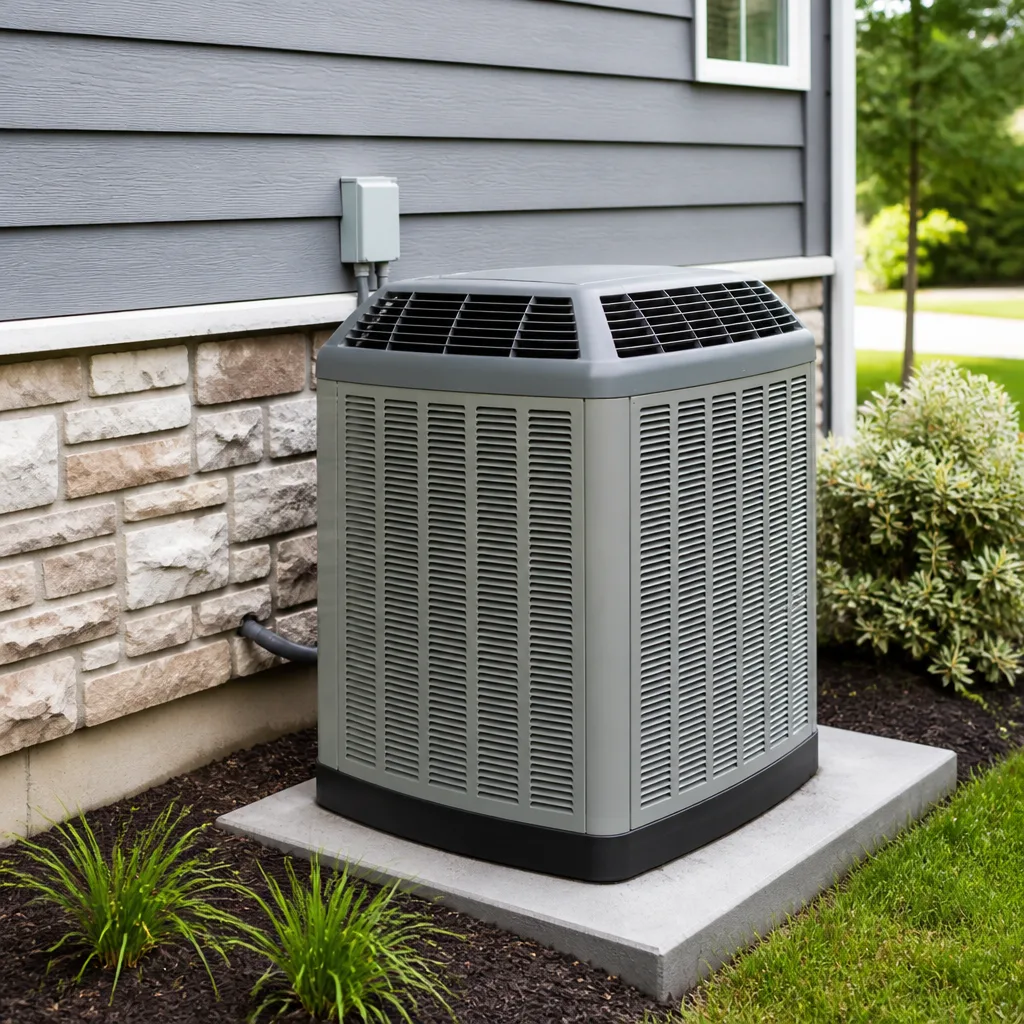 Trane
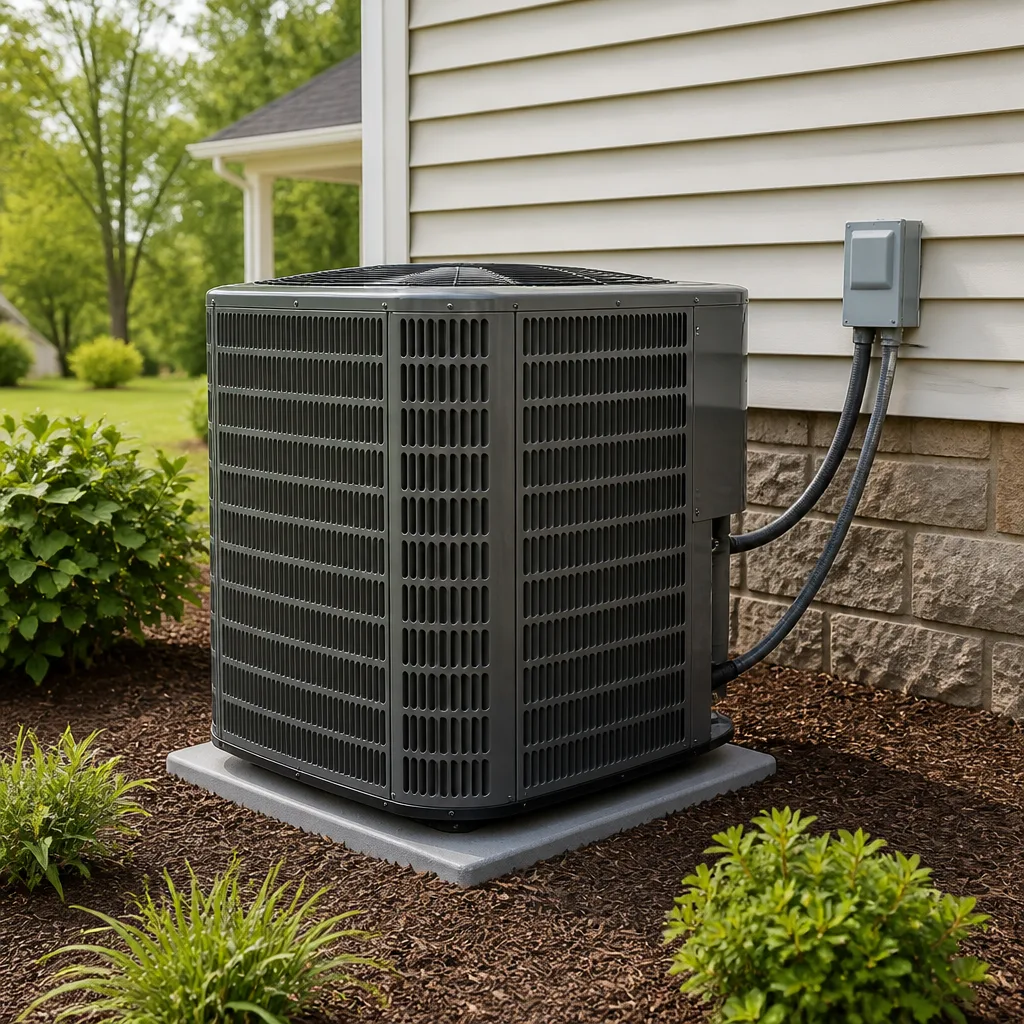 Goodman
Seasonal tune-up and full diagnostic on your Carrier, Trane, or Goodman system - readings shown to you before any repair is proposed
Diagnosis first, numbers second - you approve the repair price before a single part goes in.
Get your free estimateHVAC Emergency Preparedness Guide for North Las Vegas Homes
Most North Las Vegas homeowners think HVAC preparedness means changing a filter or getting an annual tune-up. Those matter, but they don’t answer the question that actually keeps people up at night in July: what do you do when the system dies at 2 a.m. and the indoor temperature starts climbing past 90°F before sunrise? This guide covers the first 30 minutes after a failure, how to slow heat gain without power, where to find cooling centers in North Las Vegas, how to get truthful answers from a service dispatcher during a heat wave, and what parts actually make sense to keep on a shelf for systems over eight years old. It’s written for the reality of the Mojave, not a generic list of tips that works in Ohio.
Quick Answer
An AC emergency in North Las Vegas is a health event, not a comfort problem. The first 30 minutes should go to safety triage: confirm airflow, check the thermostat and breaker, then call for service before indoor heat builds. While you wait, close east-facing windows, seal off unused rooms, and set up a cool room using wet towels and fans. Keep a capacitor and contactor on hand if your system is over eight years old, and know your nearest cooling center before you need it.
Styles & brands we work with
- AC repair
- Furnace & heating
- Heat pumps
- Ductless mini splits
- Carrier
- Trane
- Goodman
Table of Contents
- The First 30 Minutes: What to Check Before Calling Anyone
- How to Slow Indoor Temperature Rise While You Wait
- Cooling Centers in North Las Vegas and Clark County: Who Qualifies and Where to Go
- How to Get Honest Emergency Service Availability During Peak Demand
- Spare Parts Worth Keeping for Systems Over 8 Years Old in This Climate
- Preparing Ahead: The 15-Minute Plan That Prevents a Midnight Scramble
- Why Brand Knowledge Matters in an Emergency: What to Tell the Dispatcher
The First 30 Minutes: What to Check Before Calling Anyone
When the system stops blowing cold air in North Las Vegas in July, the clock starts immediately. A typical single-story home on a 110°F day gains roughly 2°F to 3°F per hour once the AC dies, more if it gets direct western exposure or has older single-pane windows. That means the difference between “uncomfortable but manageable” and “dangerous for a medically vulnerable person” can be under four hours. Your first half hour should be about triage, in this order.
- Check airflow at the vents. Put your hand on the nearest supply register. Is air moving at all? If there’s airflow but it’s warm, the compressor or refrigerant circuit is the problem. If there’s no airflow, the blower, capacitor, or thermostat is the issue. This distinction saves you from describing the wrong symptom to a dispatcher.
- Check the thermostat. Confirm it’s set to cool, the setpoint is below room temperature, and the display is on. If the display is blank, check batteries or the circuit breaker before assuming the worst. In our experience, maybe one in ten emergency calls on peak days is a dead thermostat battery or a tripped breaker.
- Check the breaker panel. A compressor that trips its breaker will often do it again on restart, so if you reset it and it trips within minutes, do not reset it a third time. That’s the system telling you something is wrong, and cycling it repeatedly can damage the compressor.
- Check for ice on the indoor coil or outdoor lines. If you see frost on the larger copper line at the outdoor unit, shut the system off at the thermostat and turn the fan to “on” if your thermostat allows it. Running a frozen system can damage the compressor, and thawing takes time anyway.
- Call for service now. Do not wait until the house is 90°F inside. Crews in North Las Vegas get booked solid within hours of a heat event starting, and calling at 10 a.m. on the first hot day gets you seen the same day. Calling at 6 p.m. may not.
This sequence isn’t optional diligence. It’s the difference between a repair call that goes smoothly and one where the technician spends the first 20 minutes identifying a problem you could have described in 30 seconds. When you call AC repair, what you say in the first minute determines how the dispatcher prioritizes you.
How to Slow Indoor Temperature Rise While You Wait
Most advice about staying cool during a power outage or AC failure in North Las Vegas misses the point. It tells you to “drink water” and “stay downstairs,” which is fine but doesn’t change the physics of a house absorbing heat. What actually works is managing heat gain at the envelope and concentrating your cooling effort in one room.
The East/West Window Rule
In the Mojave, the sun’s heat comes in through windows with brutal efficiency. East-facing windows gain heat in the morning. West-facing windows get hammered from roughly 2 p.m. until sunset. South-facing windows in summer actually gain less direct heat because the sun is high overhead. What this means: close blinds, curtains, and windows on the east side before 9 a.m. and on the west side by early afternoon. If you have blackout curtains or cellular shades, use them on the side getting direct sun. Leave interior doors to unused rooms closed. Every square foot of house you stop cooling is a square foot that stops pulling heat into the rest of the home.
The Wet Towel Technique (and Why It Works)
Hanging a damp towel in front of a fan isn’t folk wisdom. It’s evaporative cooling, the same principle behind swamp coolers, and it’s genuinely effective in a climate where relative humidity often sits below 15% in the afternoon. A wet towel over a box fan or in an open window with airflow can drop the perceived temperature in a single room by several degrees. The key is not to soak the towel to the point of dripping, and to replace it when it dries out. In a closed room, evaporation will eventually raise the humidity enough to reduce the effect, so crack a window slightly for air exchange.
The Single Cool Room Strategy
Pick the smallest room with the fewest exterior walls, ideally on the north side of the house. Close it off, run a fan, and put a damp towel in front of the airflow. This is where children, elderly family members, and pets should stay. Trying to keep the whole house livable without AC in North Las Vegas in July is a losing fight. Concentrating your effort in one room keeps it 10°F to 15°F below the rest of the house, which can be the difference between safe and dangerous.
Cooling Centers in North Las Vegas and Clark County: Who Qualifies and Where to Go
When a heat emergency is declared in Clark County, cooling centers open across the valley, including in North Las Vegas. These are publicly accessible, adults and families can use them, and you do not need to prove an income threshold or show documentation. You show up, you sit in an air-conditioned room, and you can bring children and pets in most cases, though it’s worth calling ahead if you have an animal. The centers that typically open during declared heat emergencies include recreation centers and community centers, often with extended hours from mid-morning through late evening.
The specific locations vary by event and year, so the single most useful thing you can do is save the Clark County Office of Emergency Management information line and check it when a heat warning is issued. North Las Vegas residents should also know that libraries and senior centers often serve as informal cooling stations during normal business hours even when no emergency declaration is in effect. If you’re elderly, on medication that affects heat tolerance, or care for someone who is, do not wait until the house becomes unbearable to consider leaving. A 95°F indoor temperature with no airflow is a situation you leave, not one you endure with more ice water.
Transportation matters. If you don’t drive or your car is also down, the Regional Transportation Commission of Southern Nevada runs buses on normal schedules during heat events, and some senior services in the valley coordinate rides. Have a plan that doesn’t depend on a functioning air conditioner in your car.
How to Get Honest Emergency Service Availability During Peak Demand
During a heat wave, every HVAC company in the valley gets more calls than it can handle. The honest ones tell you that. The less honest ones take your call, promise a technician “between noon and 4 p.m.,” and then call at 5 p.m. to reschedule. There’s a specific way to talk to a dispatcher that gets you truthful information.
What to say when you call: “My AC stopped cooling at [time]. There is [airflow/no airflow] at the vents. The breaker is [on/tripped]. The thermostat is [working/blank]. Do you have a technician who can be here today?” The specific details about airflow and breaker status tell the dispatcher, and later the technician, whether this is likely an electrical component, a refrigerant issue, or a control problem. It also signals that you’re not a caller who will waste a trip.
What to ask: Are you dispatching from the North Las Vegas area or across the valley? Are you booking same-day or tomorrow? Is there a trip charge if I cancel? Who do I call if the technician is late? Companies that stumble on the last question are ones that manage schedules poorly.
Red flags during peak demand: a dispatcher who gives an ETA without checking the schedule, one who quotes a repair price over the phone before anyone has looked at the unit, and one who won’t tell you whether the technician is currently on another call. You’re not asking for insider information; you’re asking whether they run a real dispatch board. A technician coming from the far side of the valley after a long day is a technician who may not want to do a thorough diagnostic at 9 p.m.
Spare Parts Worth Keeping for Systems Over 8 Years Old in This Climate
An eight-year-old air conditioner in North Las Vegas has run more hours than an eight-year-old unit in most of the country. The desert cooling season runs from April through October in practice, and a system that runs six to eight hours a day for six months straight accumulates cycles that stress electrical components. For systems over eight years old, three inexpensive parts account for a large share of emergency no-cool calls: the capacitor, the contactor, and the air filter.
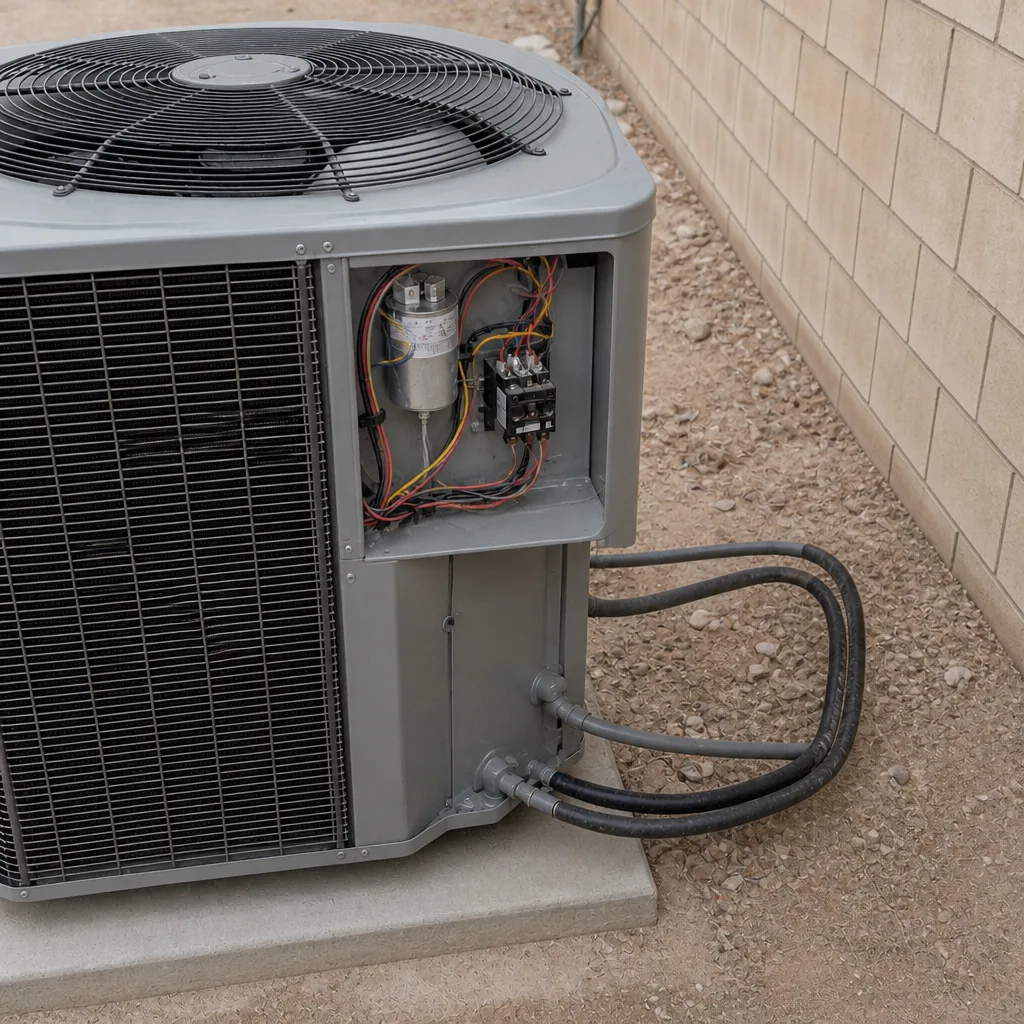
- Capacitor. This is the component that gives the compressor and fan motor the electrical jolt they need to start. They fail gradually in this heat, and when they go, the outdoor unit hums but won’t start. A replacement capacitor costs a fraction of an emergency service call.
- Contactor. The switch that sends power to the compressor and condenser fan. They pit and burn out over time, and a failed contactor means no cooling even when everything else is perfect.
- Air filters in your exact size. More than one homeowner has run to a hardware store during a heat wave only to find the size they need is sold out. Keep at least two of the correct size on hand, and mark the size on the unit itself if you haven’t already. Writing “16x25x1” in permanent marker on the return grille saves you from checking it in a hot hallway with a flashlight.
A note on installing these yourself: a capacitor stores electrical charge even with power disconnected, and a contactor is wired directly into line voltage. If you’re not comfortable with a multimeter and discharge procedure, don’t open the electrical compartment. The parts are worth having because a technician can install them in minutes, not because you should. We have been called to homes where a well-intentioned DIY capacitor replacement turned into a fried control board.
Preparing Ahead: The 15-Minute Plan That Prevents a Midnight Scramble
Preparedness in North Las Vegas doesn’t mean building a bunker. It means spending 15 minutes once a year so that the next failure is a manageable problem instead of a panic. Here’s the order that matters.
- Write down your system’s brand and model number. You can find it on the data plate of the outdoor unit. When you call for service, the dispatcher will ask. Not knowing means the technician arrives without the right common parts on the truck. Having a technician who works on nearly every major brand, including Carrier, Trane, Lennox, and American Standard, matters less if they don’t know which one you have before they leave the shop.
- Mark the breaker for the AC. In an emergency, you want to be able to check the right breaker in seconds, not trace wiring. If your panel isn’t labeled, label it now.
- Save your HVAC company’s number before you need it. Emergency response isn’t a time to be reading reviews. If you don’t have a regular company, pick one in North Las Vegas and save the number. Stratford AC Repair’s number is (844) 731-3077.
- Know how to switch your thermostat to fan-only. When a system freezes or short-cycles, running the fan moves air and helps equalize temperatures between rooms. It also doesn’t require the compressor. The steps vary by thermostat, so check yours before the next heat wave.
- Check window coverings on the east and west sides. The day before a forecast heat event, close the blinds on those windows. This single action delays the indoor temperature rise by hours.
Why Brand Knowledge Matters in an Emergency: What to Tell the Dispatcher
Most homeowners don’t know what brand their AC unit is. That’s normal. But it matters more than you might think in an emergency. A technician who works on one brand as an authorized dealer may be perfectly capable, but a technician who services Carrier, Trane, Lennox, and American Standard, among others, is diagnosing by failure pattern and electrical behavior, not by brand-loyalty training. In practice, what this means for you is simpler: say what the unit is doing, not whether it’s “a Lennox” or “a Carrier” and you’ll get a better response. If you know the brand, say it. If you don’t, say what the symptoms are. A competent technician doesn’t need the brand to start the diagnostic, but it helps to have the right common parts on the truck.
The bigger point is this: call a company whose entire trade is HVAC. North Las Vegas heat is not a side job. A technician who spends all day on heating and cooling in the Mojave has seen your exact failure a hundred times, whether it’s a baked contactor on a Goodman, a refrigerant leak on a Rheem, or a control board issue on a Daikin. This is why Stratford AC Repair keeps the scope narrow, service for AC installation and repair, plus furnace repair for the cold months. No plumbing calls, no electrical panel side work, just the systems we know deeply.
Common Mistakes to Avoid
- Waiting to call until the house is hot. By the time indoor temperatures in North Las Vegas are uncomfortable, every company in the valley is booked. Call when you first notice the system struggling, not when it’s failed completely for hours.
- Cycling the breaker repeatedly. If your compressor trips a breaker, resetting it over and over is a fast way to turn a repair into a replacement. Once or twice is enough to know something is wrong.
- Opening windows on the shaded side but leaving sun-side blinds open. You’d be surprised how often this happens. The net heat gain from the sunny windows usually outweighs whatever breeze comes through the shaded ones in a still-desert afternoon.
- Running the AC harder right before a forecast heat wave. Cranking the thermostat down to 68°F the night before doesn’t “pre-cool” the house as much as it just adds compressor runtime before the real stress starts. Set a moderate temperature and let the system cycle normally.
- Ignoring a system that’s been short-cycling for weeks. A unit that turns on and off every few minutes isn’t just inefficient. It’s usually a capacitor, thermostat, or refrigerant issue that, left alone, becomes a full failure on the hottest day of the year.
- Assuming cooling centers are only for people without homes. Clark County cooling centers are for anyone whose indoor environment is unsafe during a declared heat emergency. If your AC is down, your house qualifies as unsafe when temperatures climb. Go.
- Spending an emergency call budget on a company that doesn’t do emergency work. Some HVAC companies schedule emergency calls only for customers with annual maintenance agreements. Ask directly when you call, not after you’ve waited two hours.
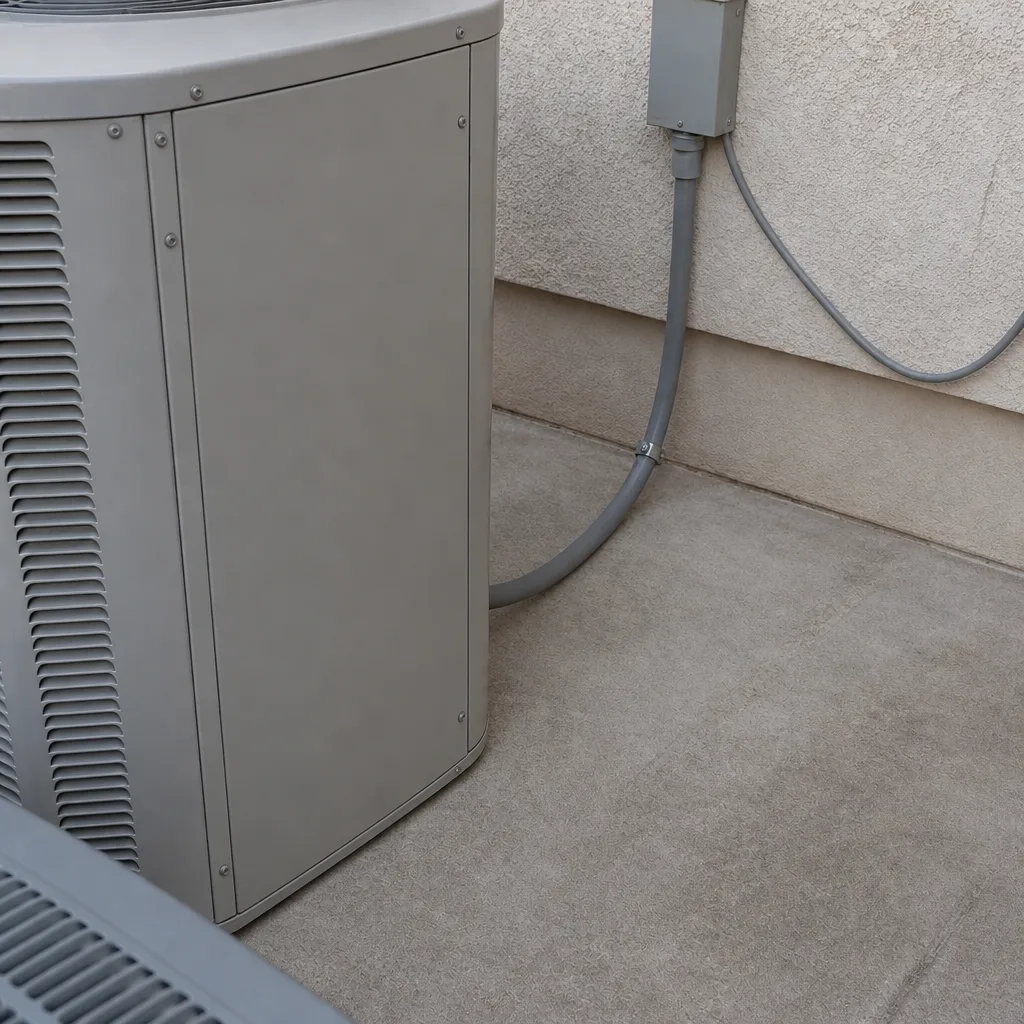
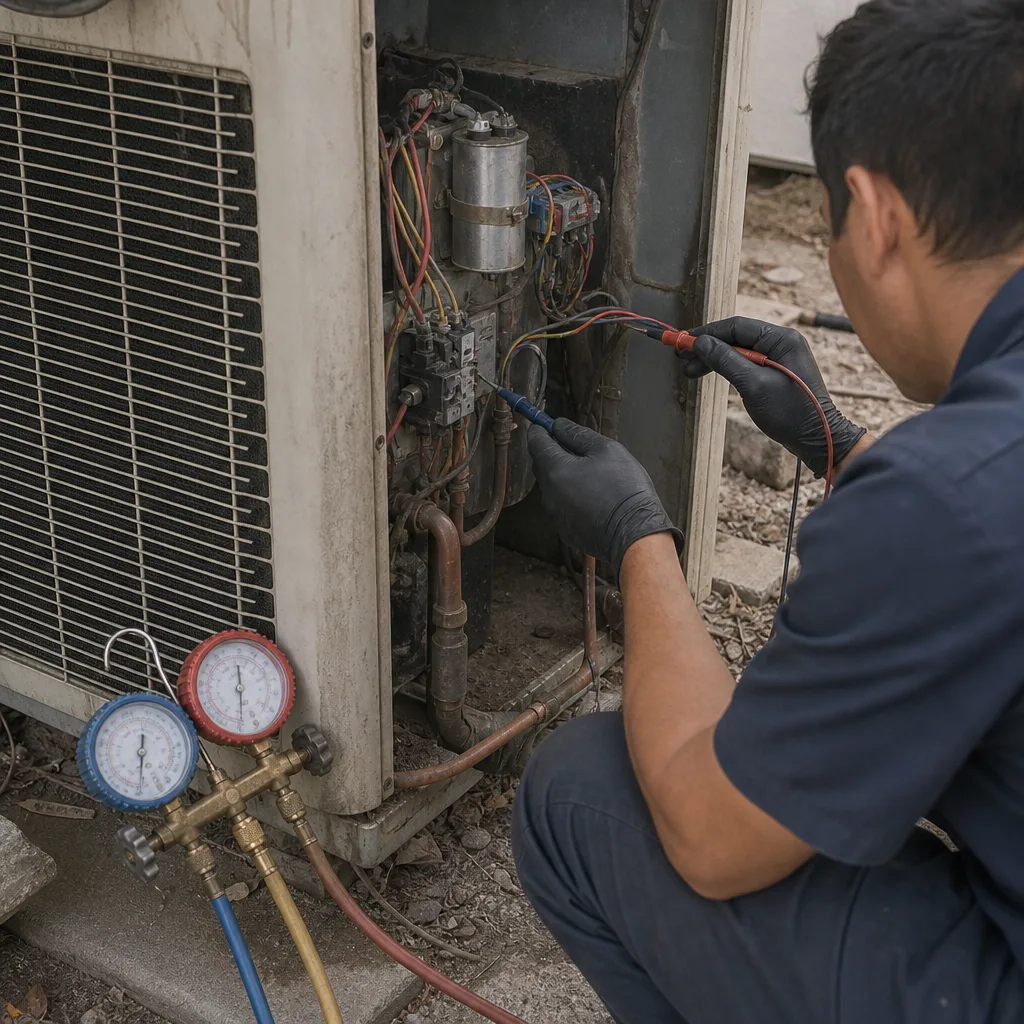
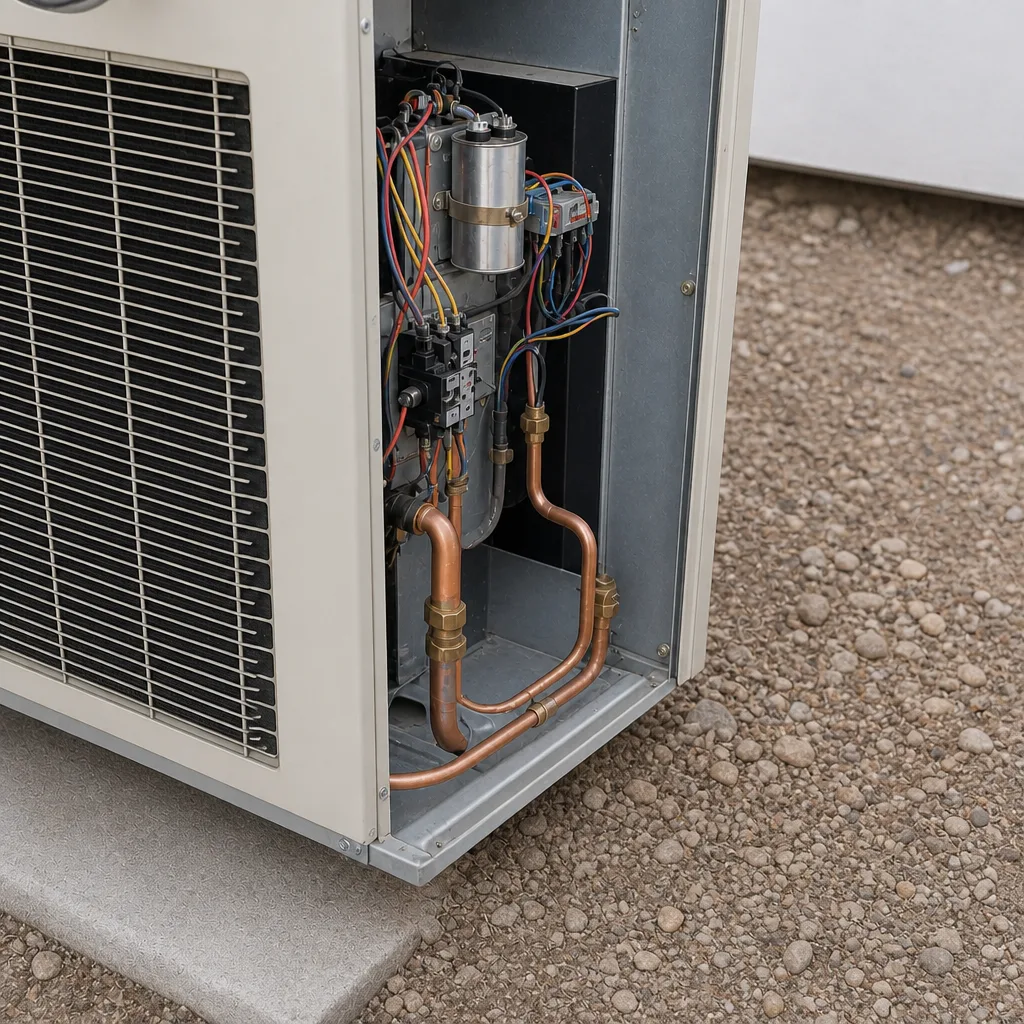
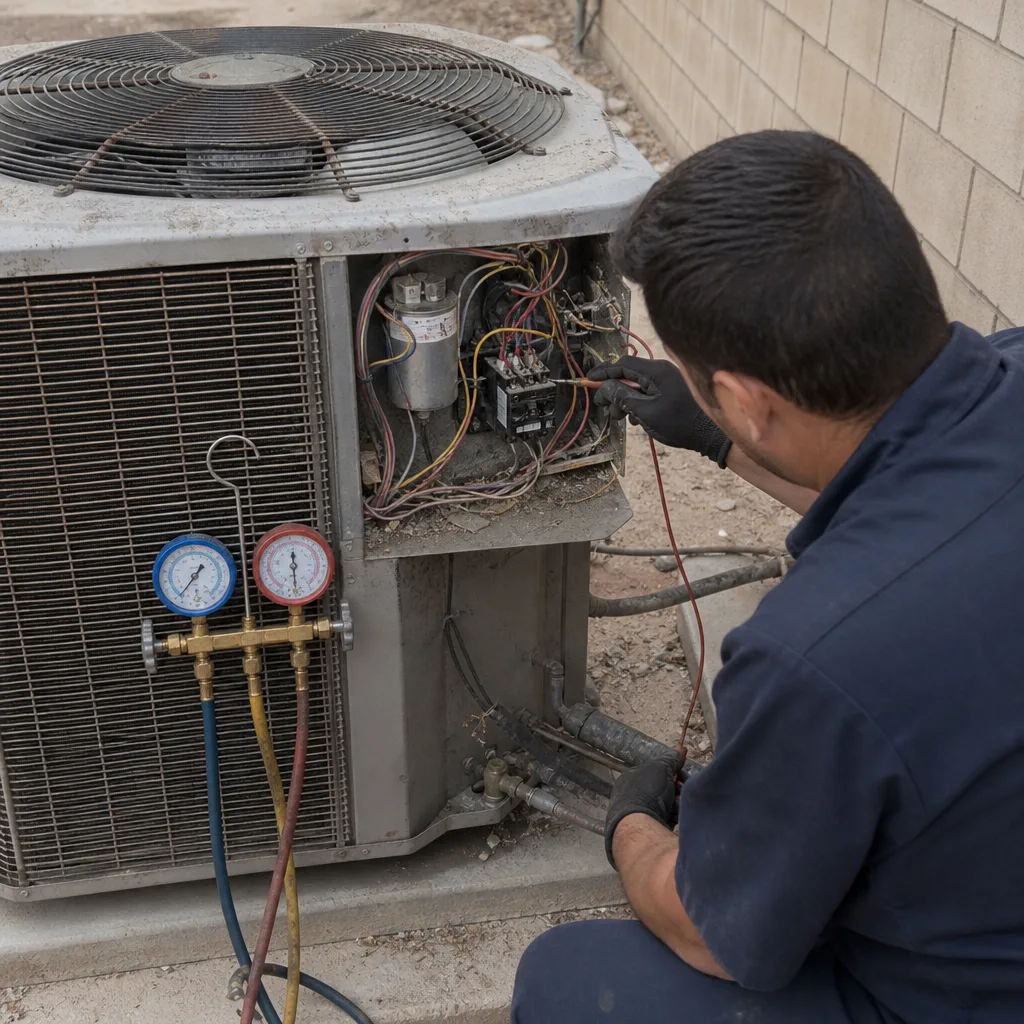
See the difference
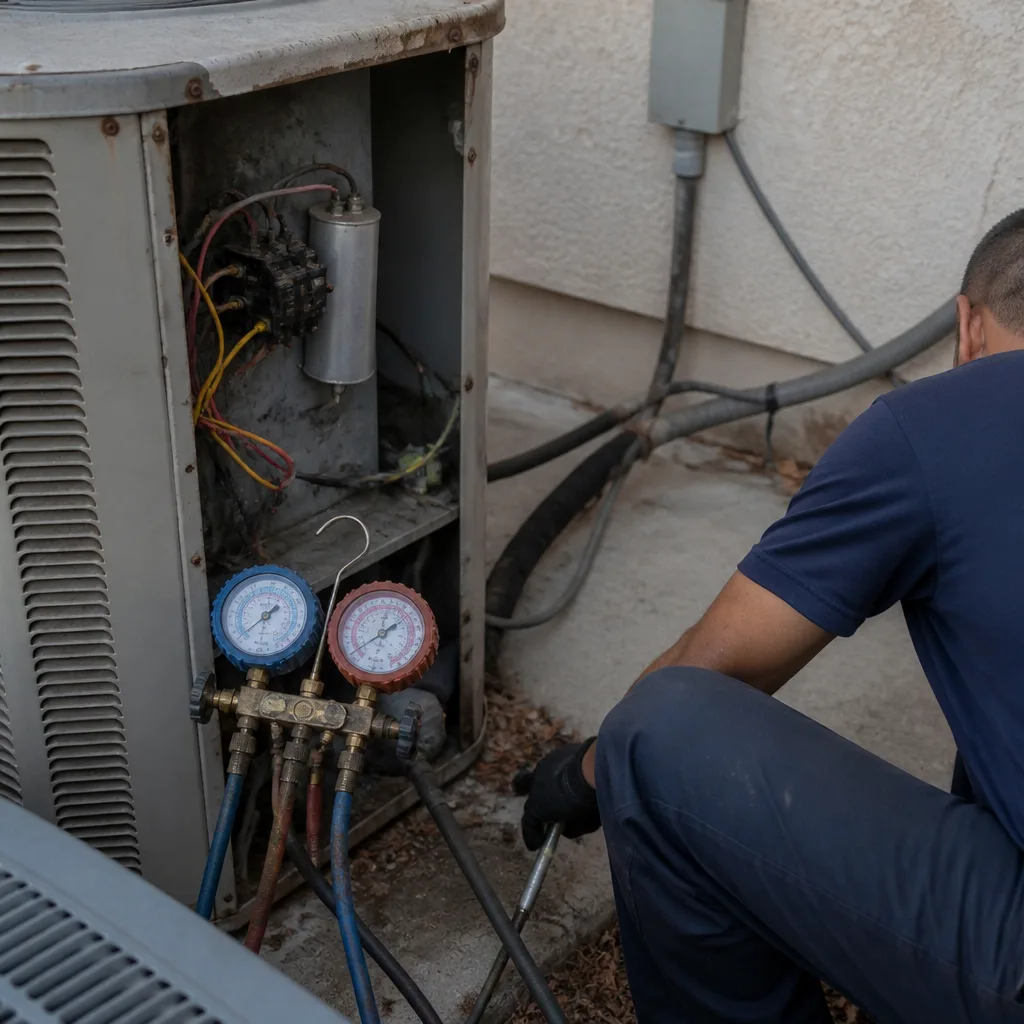 Before
 After
 Before
 After
 Before
 After
When to Call a Professional
Call a professional the moment you’ve confirmed the thermostat is set correctly, the breaker isn’t tripped, and the system still isn’t cooling. Waiting to see if it “works itself out” does not work. A compressor that’s overheating, a contactor that’s failing, or a refrigerant leak that’s low enough to cause warm airflow will not repair itself by morning. Worse, continuing to run a struggling system can turn a $200 electrical repair into a several-thousand-dollar compressor replacement. If the outdoor unit is making a buzzing or clicking sound without the fan spinning, if ice is forming on the lines, or if you smell burning near the air handler, shut it off and call. Stratford AC Repair offers free estimates in North Las Vegas – call (844) 731-3077.
Frequently Asked Questions
Confirm airflow at the vents, check that the thermostat is set to cool with working batteries, and check the breaker panel. If all three are normal and the system still isn’t cooling, call for service immediately. During peak heat in North Las Vegas, early calls get same-day service.
In July and August, a typical unshaded home can rise from 75°F to over 90°F indoors within three to four hours of AC failure. A home with west-facing windows and no window coverings gains heat faster. If someone in the home is elderly, pregnant, or has heart or respiratory conditions, treat the first hour as critical and have a plan to leave or get service.
It helps, but it’s not required. Saying “the outdoor unit hums but the fan doesn’t spin” is more useful than knowing it’s a Carrier or a Lennox. A technician who works across brands will diagnose the symptom regardless of the nameplate. If you can, read the brand and model off the data plate while you’re on the phone.
Yes. Clark County opens cooling centers across the valley during declared heat emergencies, and North Las Vegas locations typically include community centers and recreation centers with extended hours. You do not need to show income documentation. Check the county’s emergency management site for current locations and hours when a warning is issued.
Checking the thermostat, breakers, and filters are safe and useful. Opening the electrical compartment of the outdoor unit is not safe unless you know how to discharge a capacitor and work with line voltage. A wrong move on a capacitor can cause serious injury. The safest call is to check what you can and call a professional for the rest. Estimates are free at (844) 731-3077.
Capacitor and contactor failures lead the list. These electrical components degrade faster in the Mojave’s heat and extended cooling season. Systems over eight years old are especially prone, which is why we recommend keeping spares on hand and having the system inspected before peak season.
The Bottom Line
An HVAC emergency in North Las Vegas is a race between your indoor temperature and the time it takes to get a technician to the house. The homeowners who fare best are the ones who triage in the first half hour, manage heat gain at the windows, know where the nearest cooling center is, and keep a capacitor on the shelf if the system is old. The ones who scramble are the ones who call at 7 p.m. on the second day of a heat wave and hope for the best. The plan takes 15 minutes to build and costs almost nothing. The alternative is a house at 95°F with a medically vulnerable person inside. It’s not a close call. If your system struggles this summer, call (844) 731-3077 and get it looked at before the temperature starts climbing.
Written by the team at Stratford AC Repair, serving North Las Vegas since 2015.