
Last updated November 14, 2026
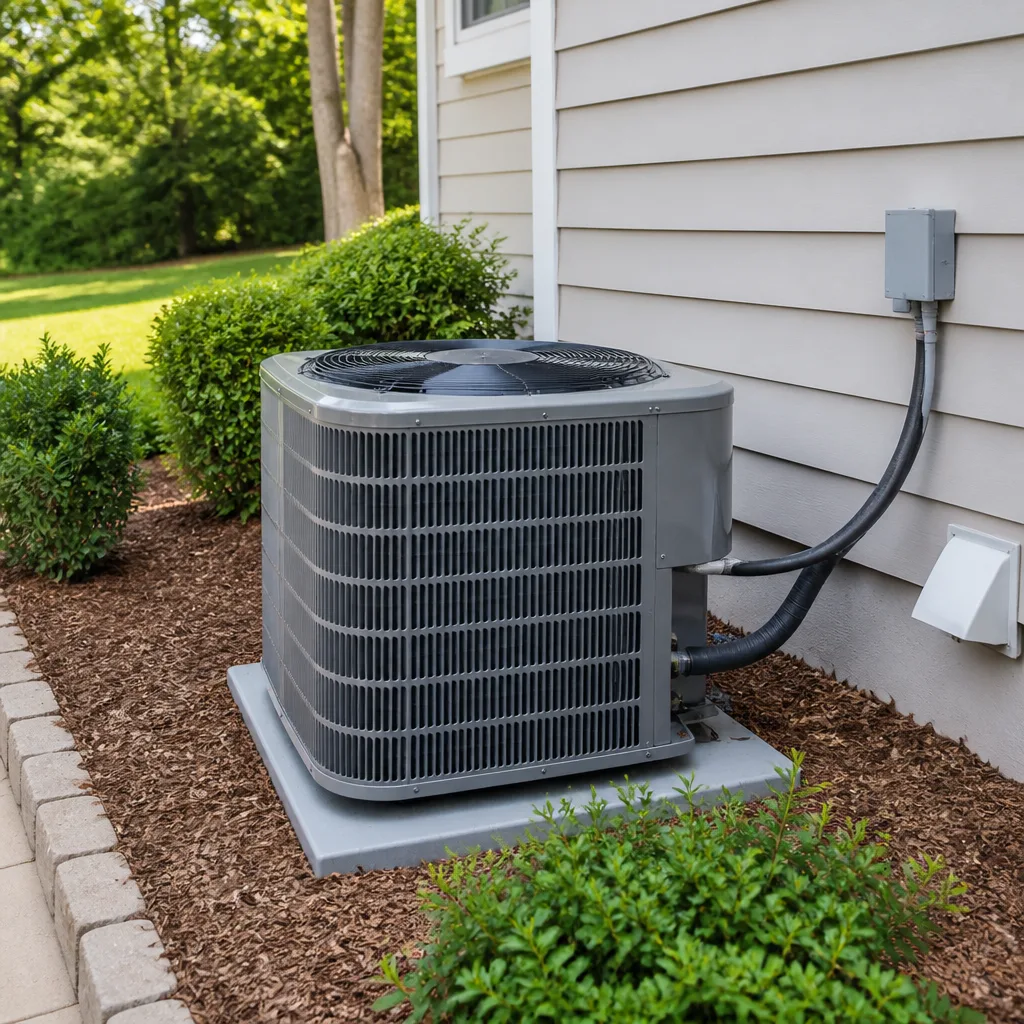 AC repair
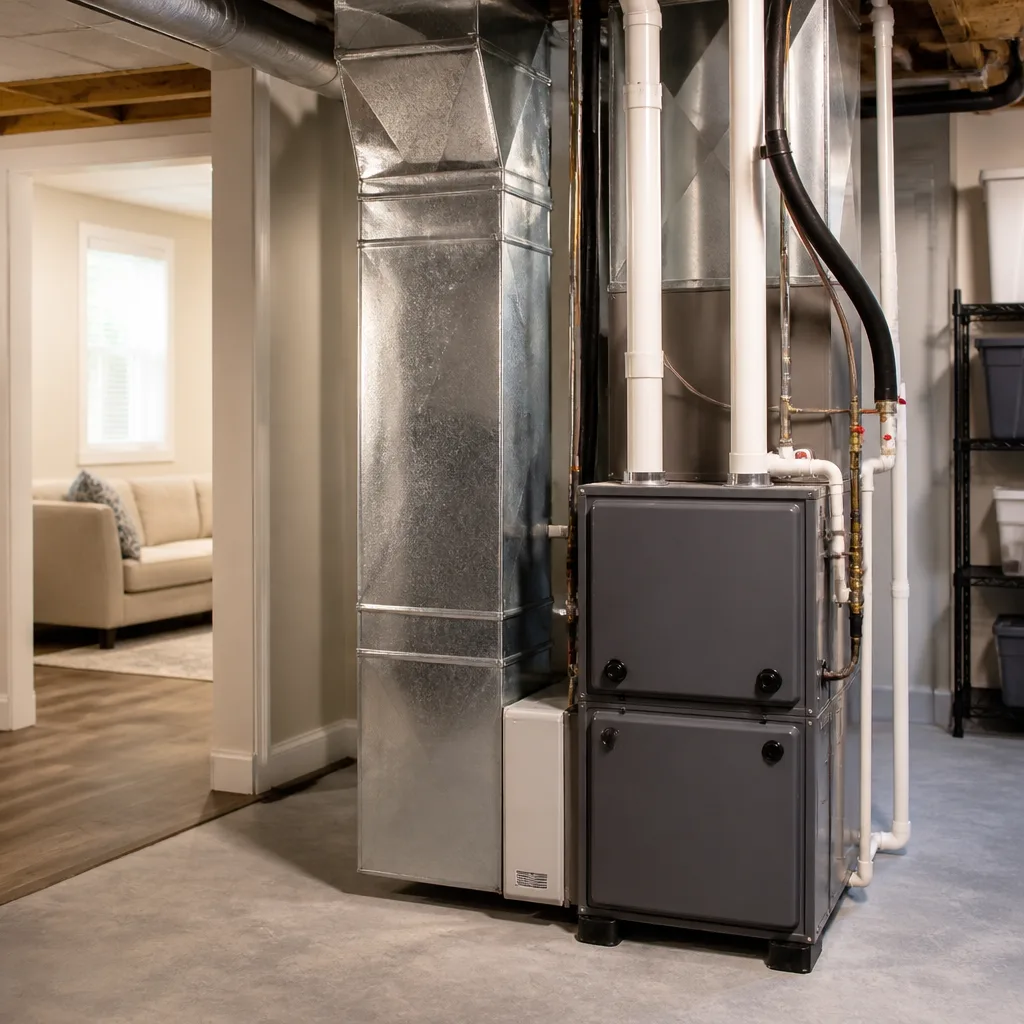 Furnace & heating
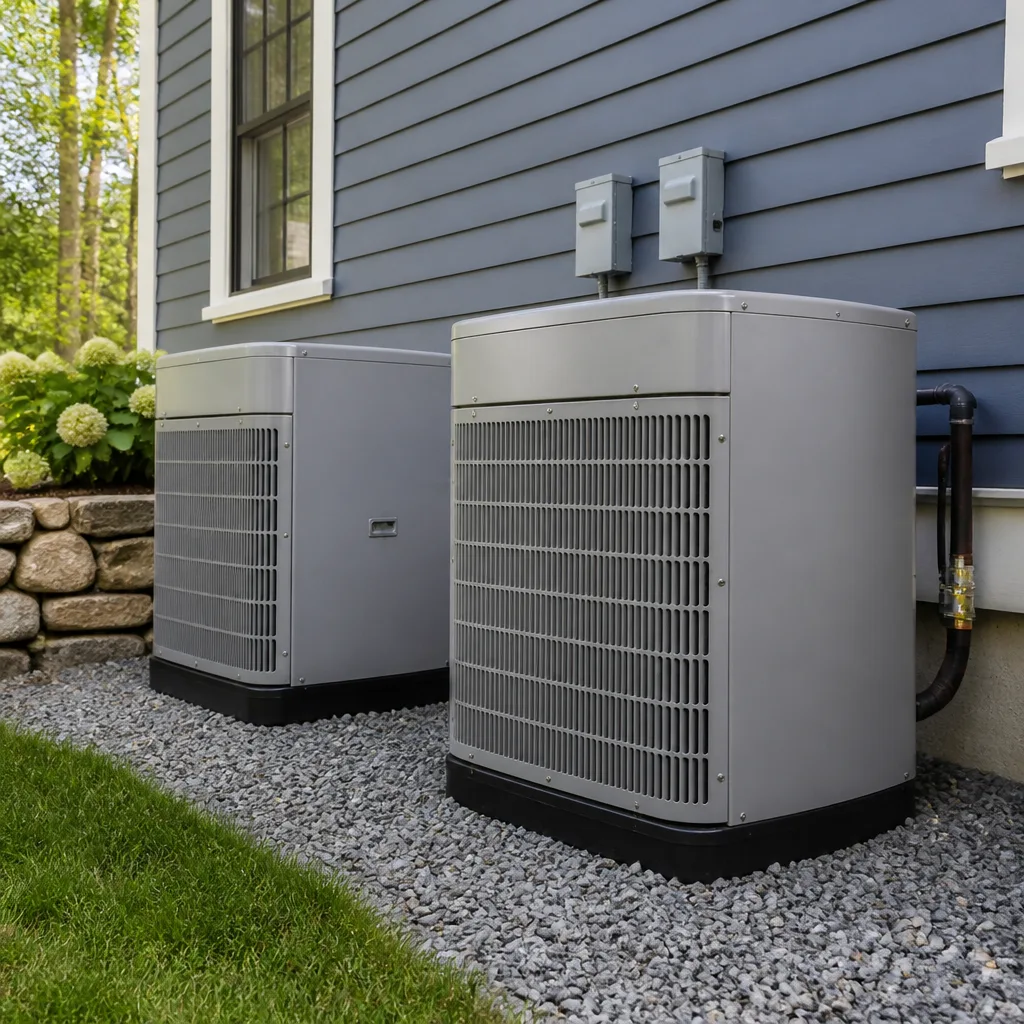 Heat pumps
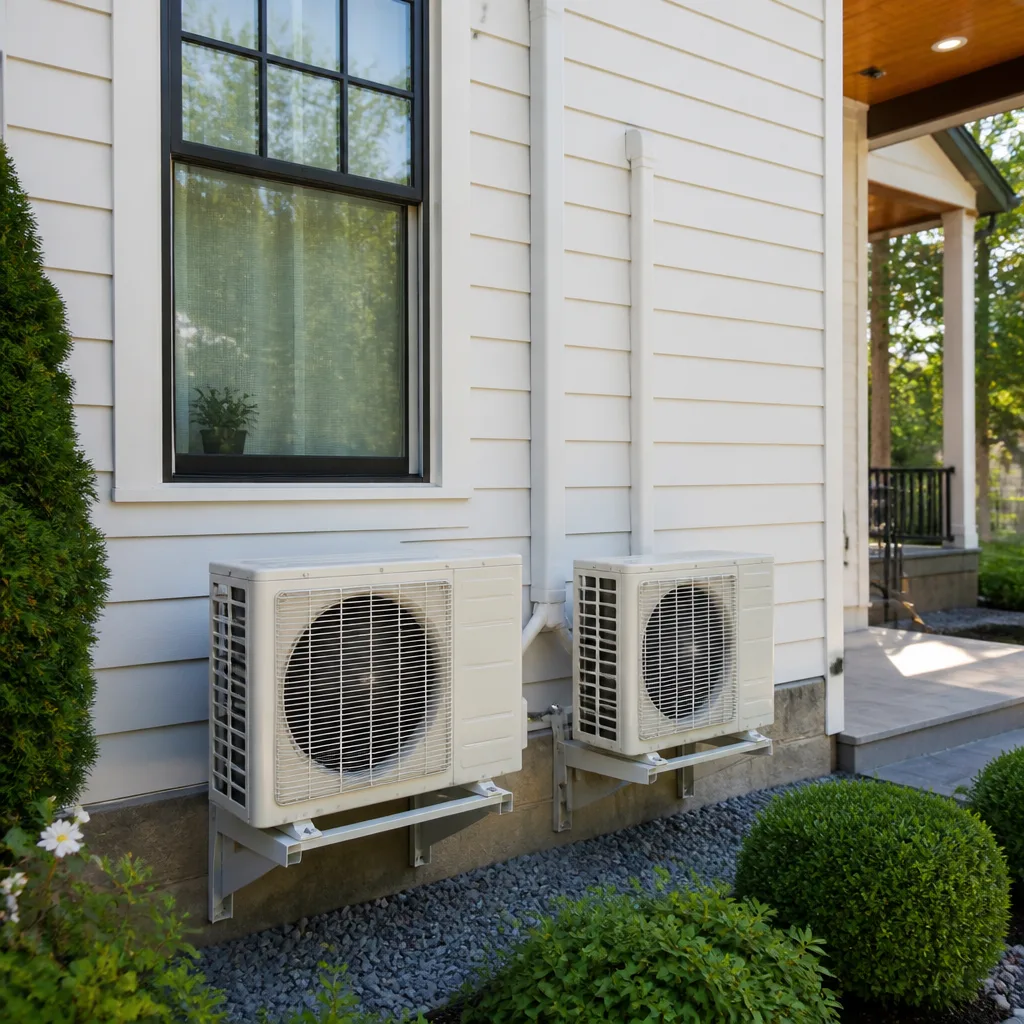 Ductless mini splits
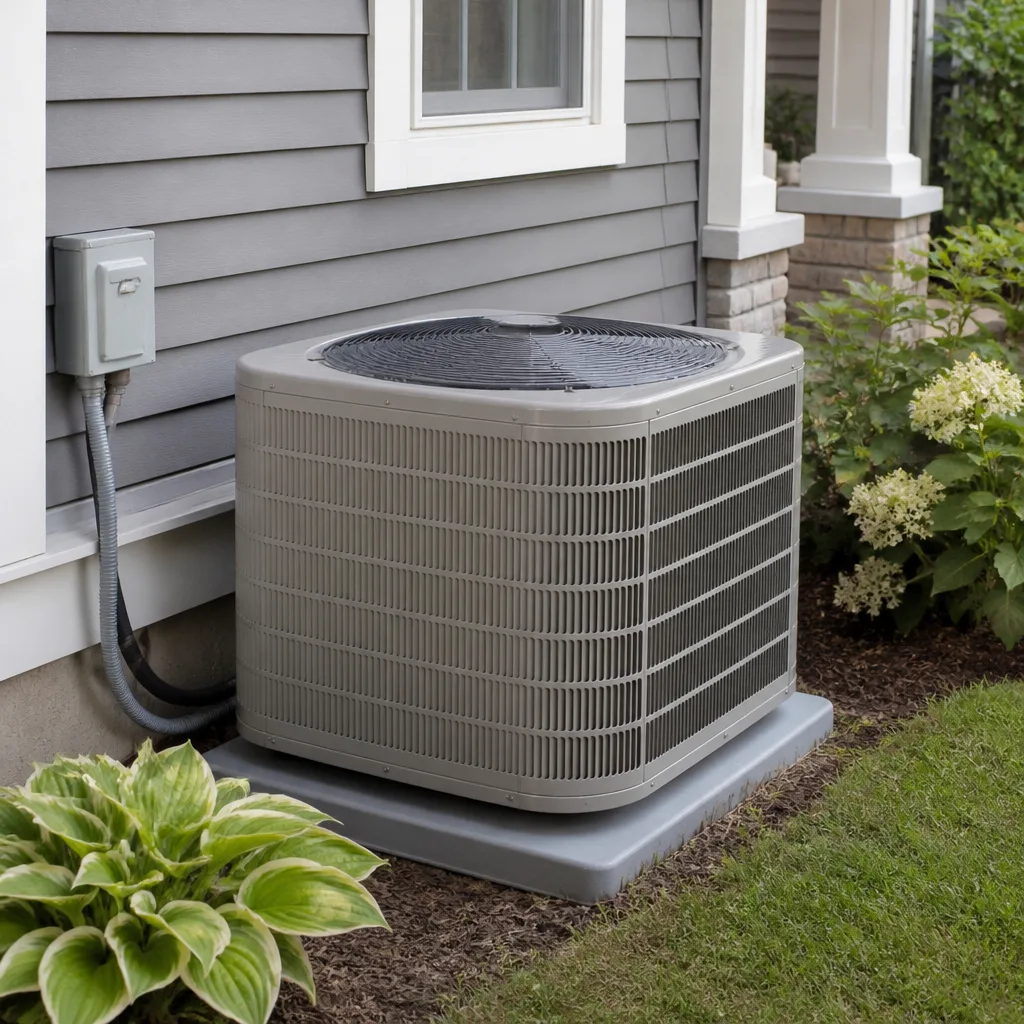 Carrier
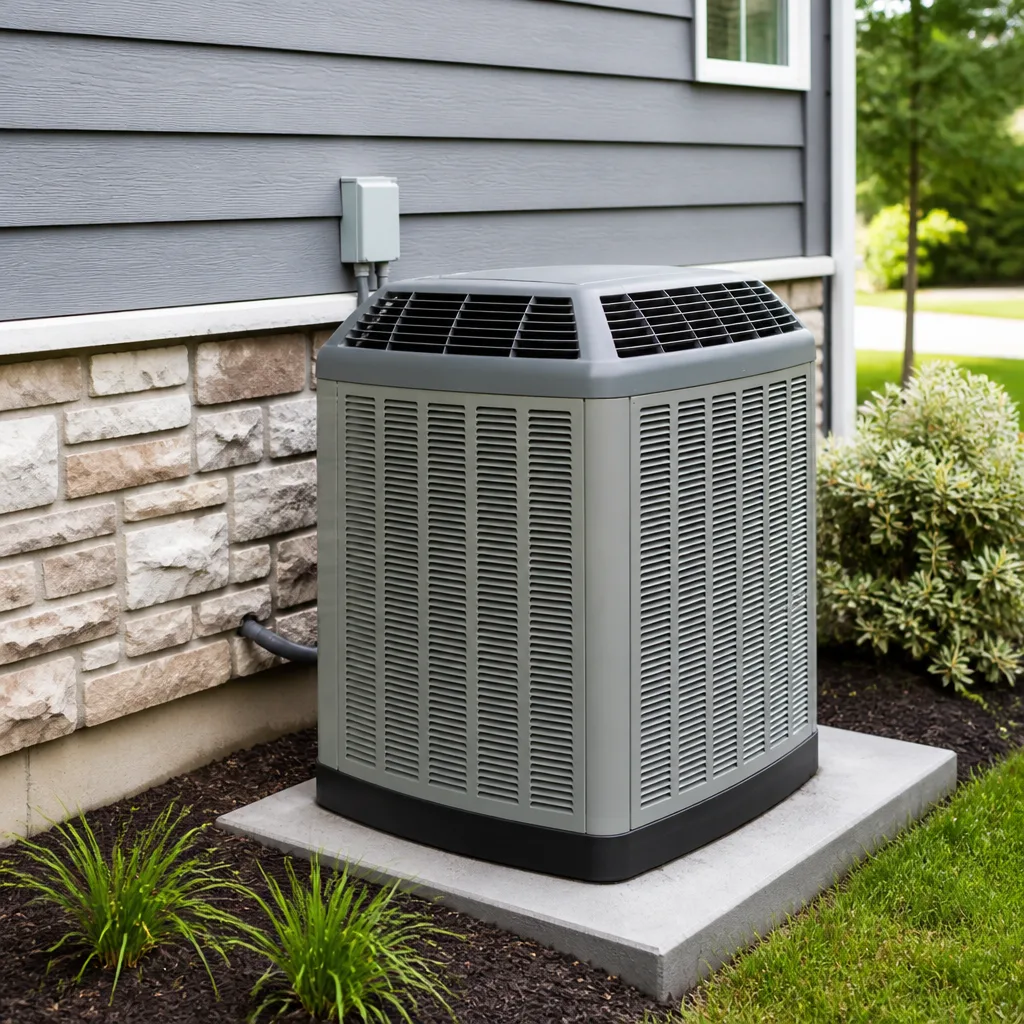 Trane
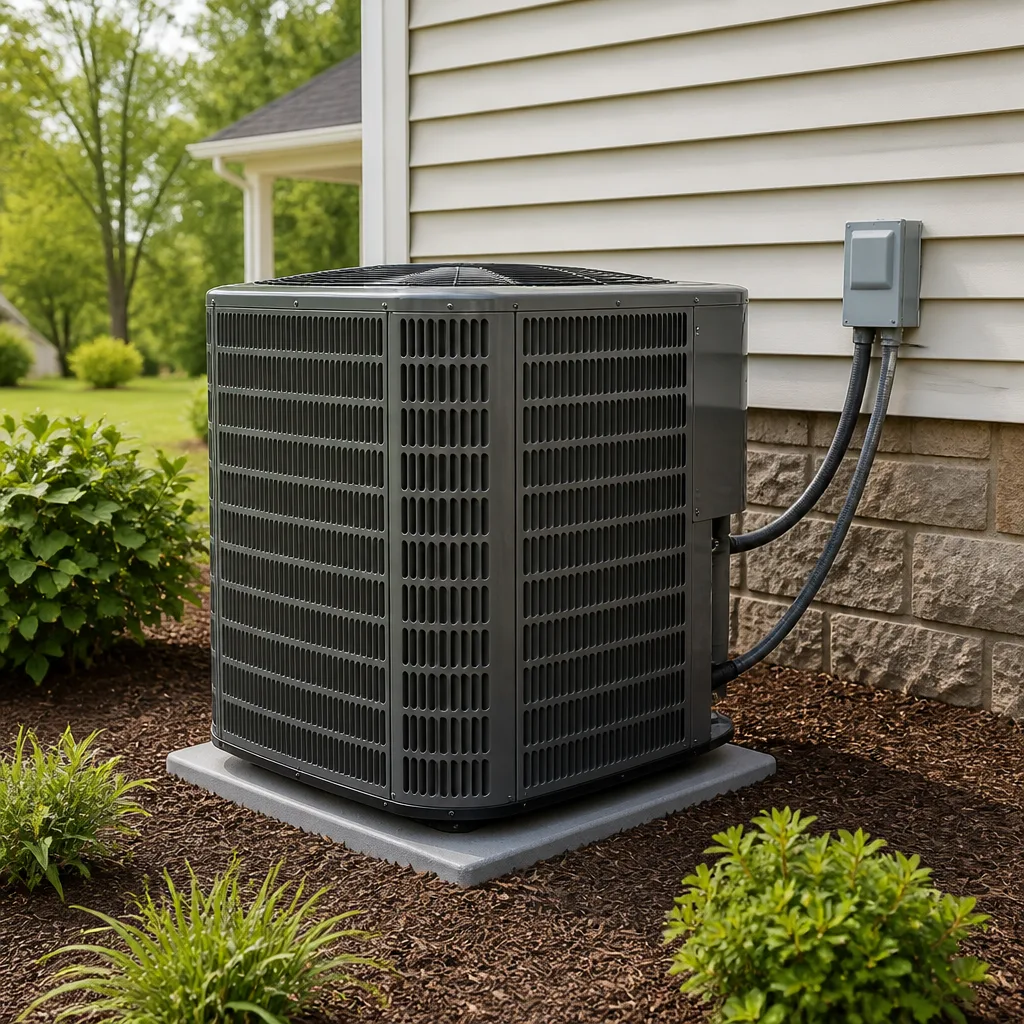 Goodman
Seasonal tune-up and full diagnostic on your Carrier, Trane, or Goodman system - readings shown to you before any repair is proposed
Diagnosis first, numbers second - you approve the repair price before a single part goes in.
Get your free estimateHow to Hire an HVAC Contractor in North Las Vegas: A Step-by-Step Guide
Most homeowners assume the hardest part of an HVAC project is paying for it. The reality in North Las Vegas is different. The hardest part is figuring out who is actually allowed to do the work, because Nevada’s licensing structure lets people bid on your air conditioning who are not the ones putting it in. This guide walks you through the exact steps to verify a contractor, read a bid, and avoid the market-specific traps that cost homeowners real money. By the end, you will know what to ask before you sign anything, and you will know which answers actually mean something.
Quick Answer
To hire an HVAC contractor in North Las Vegas, verify their Nevada C-21 refrigeration and air conditioning license on the NSCB database, require load calculations and a written bid that separates equipment from labor warranties, and prioritize brand-agnostic technicians who repair before they recommend replacement. Avoid anyone who cannot show a license in under two minutes or who pushes a single equipment brand without explaining why.
Styles & brands we work with
- AC repair
- Furnace & heating
- Heat pumps
- Ductless mini splits
- Carrier
- Trane
- Goodman
Table of Contents
- Why Licensing Matters More in North Las Vegas Than You Think
- How to Verify a Nevada C-21 License in Under Two Minutes
- The Manual J Load Calculation: Why Skipping It Is a Guess
- North Las Vegas Red Flags: What a One-Brand Contractor Hides
- How to Read a Bid Line-by-Line
- Questions to Ask About Post-Install Support
- Common Mistakes to Avoid
- When to Call a Professional
- Frequently Asked Questions
Why Licensing Matters More in North Las Vegas Than You Think
Nevada’s contractor licensing structure is not designed to make your choices simple. The C-21 classification covers refrigeration and air conditioning. That is the license you want on the truck that shows up at your door. But a general contractor holding a C-2 classification can legally bid on a project that includes HVAC work and then subcontract that portion to someone else. That someone else may hold the right license, or they may hold whatever was cheapest to book that week. You find out which one you got after the install is already finished.
In North Las Vegas, the summer heat punishes any mistake. A system that was sized wrong, wired wrong, or charged wrong will fail when outdoor temperatures climb past 110 degrees. That is not a metaphor. A poorly installed unit works hard all year in the Mojave desert, but it fails hardest in July and August, when every local contractor is already booked. The time to verify who is doing the work is before the work starts, because fixing a bad install in August is a different problem than preventing one in March.
We have worked on units in North Las Vegas that were originally installed by someone who was not there when the homeowner needed a repair. The homeowner calls the installing company and the phone goes to voicemail. Then they call a company like ours, and we are the ones figuring out what happened. A stricter check on the front end would have changed that story.
How to Verify a Nevada C-21 License in Under Two Minutes
The Nevada State Contractors Board keeps a license search tool that any homeowner can use for free. You should use it before you accept a bid from anyone. The whole process takes less time than reading the warranty section of a typical proposal.
- Go to the Nevada State Contractors Board website and open the license search. The state calls it the NSCB online services portal.
- Enter the exact business name printed on their truck, their card, or their bid. Do not enter a nickname or a name you think you saw on a yard sign.
- Look at the classification field. You want to see C-21. If they hold other classes, that is fine, but a C-2 without a C-21 subcontracting to a mystery third party is exactly what you are trying to avoid.
- Check the license status. Active is the only acceptable answer. Expired, suspended, revoked, or pending all mean the same thing in practice: stop talking to them.
- Check the expiration date. A license about to lapse in two weeks is a warning sign about how the business is run, even if the state still technically says active.
- Note the qualifying individual name. This is the person who passed the trade exam and carries the license. If that person is not the one doing your work, ask who is and verify that person’s status too.
Two minutes. That is the entire investment. It will not catch everything, but it eliminates the lowest tier of bids immediately. A legitimate North Las Vegas contractor expects this check and will not bristle when you say you are doing it. Anyone who gets defensive about you verifying a state license is telling you something worth hearing.
The Manual J Load Calculation: Why Skipping It Is a Guess
Manual J is the industry-standard method for calculating how much heating and cooling your specific house needs. It accounts for square footage, ceiling height, insulation levels, window orientation, local climate data, the number of people living there, and a dozen other inputs. The output is a load number in BTUs that tells a contractor exactly what size system to install. Skip it, and the system size is a guess. A guess that is too small never cools the house. A guess that is too big short-cycles, coats the evaporator in condensation, and dies early while wasting energy the entire time it lives.
In North Las Vegas, the calculation matters more than in mild climates. Summer highs over 105 degrees sustained for months and desert winter lows that still require heating mean the system has to perform across a wide temperature span. A load calculation done for a Phoenix zip code or a generic “southwest” assumption is not good enough. The math should reflect this valley, this house, this window tint, and this level of attic insulation. Asking for a Manual J before you sign is not adversarial. It is the fastest way to tell if the bid is based on engineering or on the contractor’s memory of what they put in the last house down the street.
You ask it like this: “Can you include the Manual J load calculation with the proposal?” A real contractor says yes and shows you the number. A contractor who winces, pivots, or says they have been doing this for years and know what size you need based on experience, is the contractor who will probably undersize or oversize your system. Do not argue with them. Just get another bid.
North Las Vegas Red Flags: What a One-Brand Contractor Hides
A contractor who only installs one brand is not automatically a problem. The problem is what happens when the only reason they sell that brand is a dealership agreement, a volume rebate, or a spiff on a particular model line. North Las Vegas is full of homes with Lennox, Trane, Carrier, Rheem, Goodman, York, Bryant, Daikin, and American Standard equipment. A contractor who pushes one brand to every customer regardless of the existing system, the house size, the ductwork condition, or the actual load calculation is selling inventory, not engineering.
The subtler version of this red flag is a contractor who can install Brand X but cannot service Brand Y. The install is a one-day event. The next fifteen years of the system are repair calls. If the installing contractor will not touch a Bryant call because they only carry York parts, then the homeowner is locked into one service channel for every future problem. That narrows your options exactly when you do not want them narrowed: a no-cooling August night in North Las Vegas.
We service nine major brands, including Rheem, York, Daikin, and Bryant. We did not choose that range because it is easy. It is harder to train across nine brands than one. We chose it because homeowners in North Las Vegas ask us to diagnose whatever is on the roof or the side of the house, and it is not fair to charge someone for a service call and then walk away because the label on the unit is not someone we have a poster for. A contractor’s brand range tells you who they work for. Ask the question directly: “Which brands can you service, and which brands will you not touch?”
How to Read a Bid Line-by-Line
An HVAC bid is not just a total at the bottom. It is a series of promises, and every promise has a loophole if you do not read the phrasing. The two numbers that matter most in a North Las Vegas bid are the equipment warranty and the labor warranty, and they are not the same thing.
Equipment warranty covers the physical unit. If the compressor fails in year six, the manufacturer replaces the part. That warranty comes from the brand like Rheem or York or Daikin, not from the installing contractor. It is a real protection, but it only covers the part, not the time the technician spends pulling it out and putting the new one in. That is the labor warranty. Some contractors offer one year of labor. Some offer ten. Some bury “one year” on line 14 of a 16-line bid and hope you do not ask about the gap between year one and year ten.
Read the bid like this:
- Unit size and model number: Is the exact unit listed by model? “3-ton unit” without a model number means you are not actually agreeing to anything specific.
- Scope of work: Does it say anything about ductwork, thermostats, condensate lines, or electrical? If not, those are extras you will find out about later.
- Equipment warranty term: Which parts, for how long, from which manufacturer.
- Labor warranty term: Which repairs, for how long, from which contractor.
- Exclusions in plain English: What is specifically not covered. If the word “preventive maintenance” appears as a condition of keeping the warranty, you need to know what that costs each year.
- Permit responsibility: Who pulls the permit with the City of North Las Vegas and who pays the fee.
In this climate, the labor warranty matters as much as the equipment warranty. A compressor failure in North Las Vegas July heat is a labor-intensive repair. The part is free under the manufacturer warranty, but the technician is on your roof for four hours. If your labor warranty expired in year one and the failure is in year three, you are paying for every hour of that work. The distinction between “equipment covered” and “labor covered” is not a small line item. It is the difference between a hundred-dollar repair and a fifteen-hundred-dollar repair.
Questions to Ask About Post-Install Support
Every contractor looks good on the day of the install. The truck is clean, the techs are smiling, and the invoice is exactly what the bid promised. The test comes later. It comes at 11pm on an August night in North Las Vegas when the thermostat says 88 degrees and the new system will not turn on. At that moment, you do not care about the brand. You care about who answers the phone.
Ask these questions before you sign, not after the failure:
- Who answers the phone when I call at night? Is it an answering service, a call center, a dispatcher, or a technician? “We have 24/7 support” means nothing if the person answering cannot make a technical decision.
- What is the actual response window? “As soon as possible” is a phrase, not a number. Ask for the real number: four hours, twelve hours, next day?
- Will the technician who diagnoses the problem be the one to fix it? A company that sends one person to confirm it is broken and a second person to fix it two days later has doubled your downtime.
- Are there any brands they will not service for repair? This goes back to the one-brand problem. A contractor who installs one brand and services two brands has left you with a narrow path for the life of the unit.
- What is the warranty call policy? If the failure is covered under warranty, do you still pay a dispatch fee? Is that fee waived only if the tech approves it?
We ask homeowners to think about the August test. It is the question that separates a transaction from a relationship. You are not hiring someone for the one week when the work is being done. You are hiring someone for the five to fifteen years when the system is running. The post-install support answer is the only answer that tells you who you are really signing with.
Common Mistakes to Avoid
- Hiring the first bidder without seeing a C-21 license. In Nevada, a C-2 general contractor can legally take your HVAC money and hand the work to someone else. Verify the classification before you accept anything.
- Accepting a square-footage-based equipment quote. “About a ton per 500 square feet” is a rule of thumb, not a load calculation. It will be wrong in a North Las Vegas house with high ceilings and a west-facing wall of glass.
- Confusing equipment warranty with labor warranty. The manufacturer covers the part; only the contractor covers the labor. Ten years on the unit and one year on the labor means a year-eleven compressor failure is your problem.
- Choosing a brand before choosing a contractor. You are not buying a brand like a toaster. You are buying the diagnosis, the install quality, and the post-install accountability. Pick the contractor first, let them explain the brand recommendation second.
- Ignoring the permit question. City of North Las Vegas permits exist for a reason. A contractor who avoids them is asking you to carry a liability you cannot see.
- Not asking who will actually do the work. The salesman who sells the job is often not the technician who installs it. Ask for the installation team’s credentials, not just the salesperson’s charm.
- Deleting the voicemail after the install. Write down the warranty terms, the model number, and the post-install phone number somewhere you can find it in twelve months. You will need it the week the unit has a fault on a 105-degree day.
When to Call a Professional
You should call before you have an emergency, not after. If you are noticing uneven cooling between rooms, hearing a noise that was not there last season, seeing a utility bill that does not match the weather, or you already know the system is over fifteen years old, a professional evaluation now gives you options. An emergency reduces your options to one: fix it fast, at whatever price. A routine inspection in the spring lets you plan, compare bids, and run the license checks described above without sweating through the process.
Some circumstances should skip the do-it-yourself route entirely. Electrical work inside the unit, refrigerant levels, and anything involving the gas connection on a furnace are not homeowner projects. The risk is not a dent in the wall; it is a fire hazard or a refrigerant leak that poisons the air you breathe. A trained technician knows how to test safely and what the readings mean. Stratford AC Repair offers free estimates in North Las Vegas. For AC repair or a new AC installation, call (844) 731-3077.
Frequently Asked Questions
Most furnace and air conditioner replacements in North Las Vegas require a mechanical permit through the City of North Las Vegas building department. The contractor should pull the permit, schedule the inspection, and include the fee in the bid. If they say a permit is not needed, ask them to put that in writing and verify it with the city yourself.
Use the Nevada State Contractors Board license search on the NSCB website and enter the exact business name. Confirm they hold an active C-21 classification for refrigeration and air conditioning. A C-21 license means someone in that company passed the trade exam and is legally responsible for the work.
The price depends on system size, efficiency rating, ductwork condition, and the specific brand installed, but typical residential replacements in the Las Vegas valley run higher than national averages because of the cooling demands of the desert summer. The exact number should come from a written bid with a load calculation behind it. Never accept a price without a model number and a labor warranty term.
If the unit is under ten years old and the repair is a single component like a capacitor or a contactor, repair makes sense. If the compressor or the coil has failed and the unit is over twelve to fifteen years old, replacement is usually the more honest option. A contractor who repairs before recommending replacement is the one you want. Get a diagnosis that explains the actual failure first.
A single-brand contractor often has a dealership or volume agreement with that manufacturer, which means their recommendation is influenced by that relationship. A brand-agnostic contractor works on systems like Rheem, York, Daikin, and Bryant without a sales quota. In North Las Vegas, where homes have every major brand installed, that range matters for future repair calls.
Call the installing contractor first and ask for a warranty dispatch. If the equipment is under manufacturer warranty, the part is covered. If the labor warranty has expired, you will pay for the technician’s time. If the installing contractor will not answer or cannot come, call a service provider who works on your brand. North Las Vegas homeowners call (844) 731-3077 for fast, no-commission diagnostics.
The Bottom Line
Hiring an HVAC contractor in North Las Vegas comes down to verification, calculation, and warranty literacy. Verify the C-21 license before you accept a bid. Require a Manual J load calculation specific to your house and this desert climate. Read the bid line-by-line so you know whether labor is covered for one year or ten. Ask the post-install questions now, not at 11pm in August. And choose a contractor whose brand range proves they work for you, not for a manufacturer. Do those things and the system you buy is not a guess. It is an engineered decision with someone accountable attached to it.
Written by the team at Stratford AC Repair, serving North Las Vegas since 2015.
See the difference
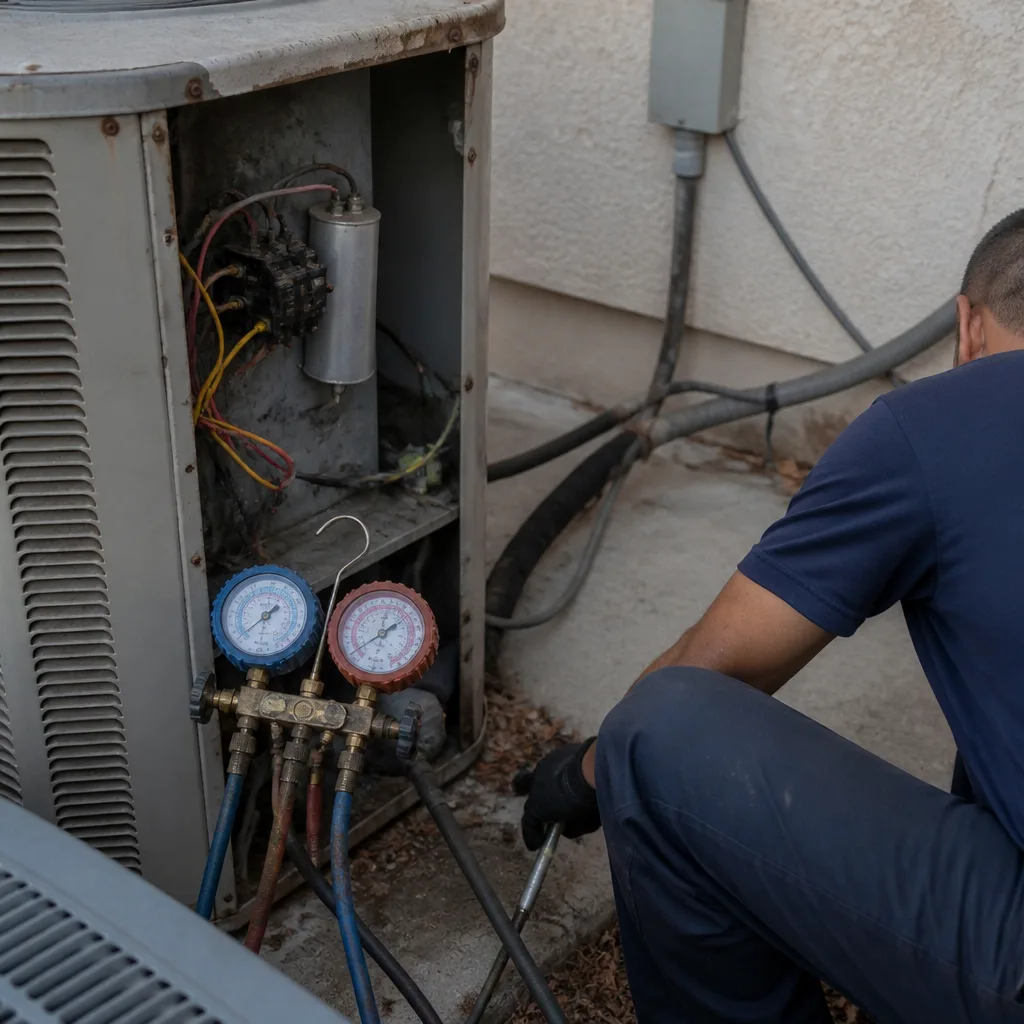 Before
 After
 Before
 After
 Before
 After